REVIEW · LANZAROTE
Freediving Training
Book on Viator →Operated by Ocean Freediving Lanzarote · Bookable on Viator
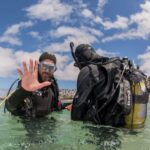
Getting your breath under control changes everything. This 3-hour apnea-focused training in Lanzarote is built around safety, good depth technique, and real instruction from Sergio and his team. You’ll start at Ocean Freediving Lanzarote in Puerto del Carmen, then spend time in the water at Playa Chica Beach.
Two things I like a lot: you get scuba equipment included as part of the session, and the group is limited to 8 so the instructor can actually watch what you’re doing. One thing to consider: you must already have an apnea license, so this is not an intro course for complete beginners.
If you’ve got the basics and you want to tighten equalization, confidence, and depth habits, this is a smart use of time in Lanzarote. The optional free spearfishing add-on is also there if that’s your goal, but you’ll only go where your skills and supervision allow.
In This Review
- Key things that make this training work
- Playa Chica Beach in Lanzarote: why this spot fits a depth session
- Before you book: the apnea license and the fitness reality check
- Price and what you actually get for $60.08
- Where you meet and how the timing works
- Inside the 3-hour session: what happens once you hit Playa Chica
- What you’ll practice (and why it matters)
- Scuba equipment included: how it supports a breath-hold training session
- Going deeper with confidence: cables, buoys, and a supervised setup
- The optional spearfishing try-on: cool if you’re into it, not mandatory
- Small group training: why max 8 matters more than you think
- Why Sergio’s reputation centers on equalization and calm instruction
- Logistics you should plan for (without overthinking it)
- Is it a good fit for you?
- Should you book this breath-hold training session in Lanzarote?
- FAQ
- Do I need an apnea license to join?
- How long is the session?
- Where does it take place?
- Is scuba equipment included?
- Can I try free spearfishing?
- What group size should I expect?
- Is private transportation included?
- What’s the cancellation timeline?
- Is the tour offered in English?
Key things that make this training work
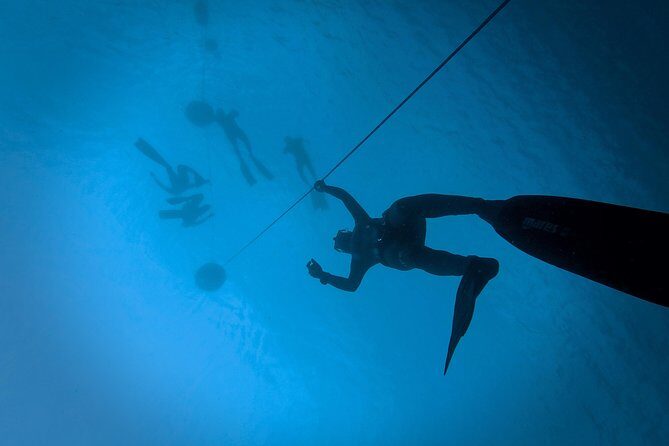
- Max 8 people means less waiting and more hands-on feedback.
- Apnea license required so you can focus on technique at depth, not on basic safety rules.
- Scuba equipment is included, which can make the session feel more structured and supported.
- Playa Chica Beach is close by the training base, with conditions that suit serious practice when the sea cooperates.
- Sergio’s coaching style emphasizes equalization and patience, not rushing.
Playa Chica Beach in Lanzarote: why this spot fits a depth session
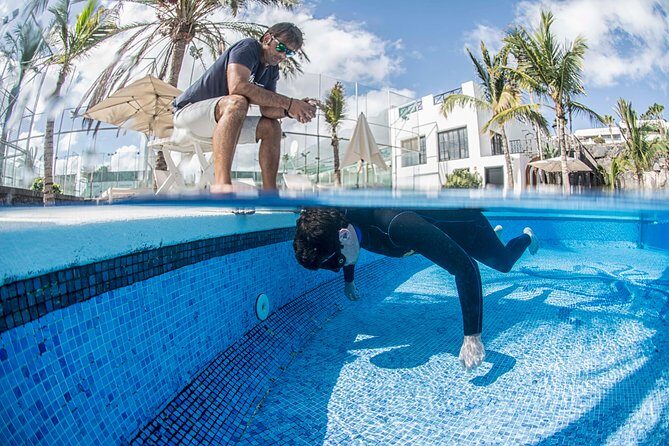
Lanzarote has a reputation for clear water and straightforward access from the coast, which matters for breath-hold training. At Playa Chica Beach, you’re not spending the whole morning traveling to get to the water. That time savings is real when you’re doing a technique-heavy session where you benefit from repeating the same skills calmly.
From what the school shares and what divers say about training conditions, this area is often chosen because it can be good for practice without the kind of temperature layering that can throw off comfort and breathing rhythms. That doesn’t mean every day is identical, but it helps you pick a training window where your body isn’t constantly fighting the water.
Also, because the program is built for people who already hold an apnea certification, you’re not “starting from scratch” in terms of how to behave underwater. You can spend your energy where it counts: equalization, relaxation, and safe descent and return habits.
If you're still narrowing it down, here are other tours in Lanzarote we've reviewed.
Before you book: the apnea license and the fitness reality check
This activity is not for first-time breath-hold learners. To participate, you must have an apnea license. That requirement isn’t meant to be gatekeeping—it’s there so the session can use the training tools and depth mechanics safely.
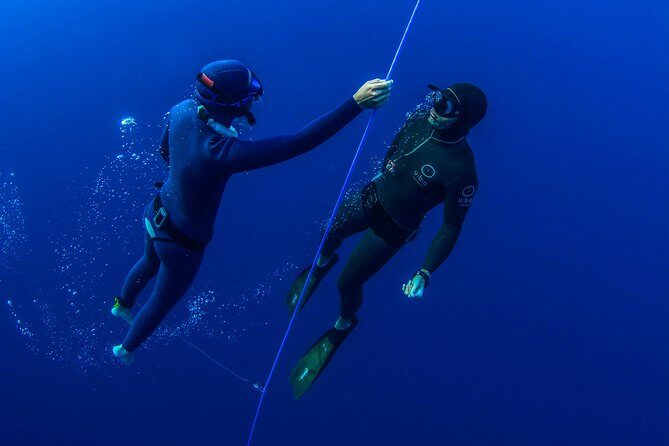
The session is supervised by an instructor the whole time. And the way depth practice works here is tied to certification. During the training, the person who has the apnea certification can use the cables, buoys, and weights to go to depth. If you’re certified, that’s good news: you can practice the real mechanics instead of just watching from the surface.
You also need moderate physical fitness. That’s typical for sessions that include controlled breathing work, repeated descents/ascents, and time in open water. If you feel tired easily on a warm day or get shaky in cold water, consider whether you want a calmer training plan first. You’ll be better off if you show up feeling ready, not drained.
Price and what you actually get for $60.08
At $60.08 per person for about 3 hours, you’re paying for coaching attention and controlled water time, not for a big sightseeing day. For me, that pricing makes sense only if you’re going to use the session for technique improvement—equalization habits, comfort at depth, and good safety routines.
The scuba equipment is included, which is a key value piece. Even though this is breath-hold training, the inclusion of scuba gear suggests the team has a structured way to support the session. That can make the overall experience feel smoother and less chaotic, especially for people tightening up the details.
What’s not included: private transportation. So if you’re not staying within easy reach of Puerto del Carmen, plan on getting to the meeting point on your own.
Where you meet and how the timing works
You meet at Ocean Freediving Lanzarote – Freediving School & Apnea Center, C. Alegranza, n°2, 35510 Puerto del Carmen, Las Palmas, Spain. The activity ends back at the same meeting point.
The daily window listed is Monday to Friday, 9:30 AM to 12:30 PM (valid for the operating dates shown). So you’re looking at a morning session. That’s usually smart for water conditions and it fits well with an active travel day later.
Because it’s near public transportation, you can likely piece together your plan without needing a car. Still, if you’re traveling with gear or you don’t want to think about buses and timing, check your local transport options ahead of time.
Inside the 3-hour session: what happens once you hit Playa Chica
The itinerary is simple: Stop 1: Playa Chica Beach. The simplicity is a good sign. When your goal is technique, a short, focused plan beats a long schedule full of waiting.
Here’s the flow you should expect:
- You arrive at the school, get oriented, and meet your instructor and small group.
- You head to Playa Chica Beach for the water part.
- The instructor supervises the session from start to finish.
- Because the program is for apnea-certified participants, you’ll be doing depth-relevant practice rather than only surface warmups.
The key training tools here are the cables, buoys, and weights used for going to depth. In practice, that means you can spend time refining how you manage the descent and ascent while staying anchored to a structured setup.
The best part is that the supervision doesn’t feel like a vague “good luck out there” stance. People emphasize Sergio’s patience and his attention to details like equalization. When equalization is coached well, it doesn’t just help you hit depth—it makes the whole experience feel calmer.
What you’ll practice (and why it matters)
Equalization is the center of gravity for breath-hold depth. If you want one takeaway, it’s that equalization technique is not just “how to equalize.” It’s also about rhythm, timing, and staying relaxed even when depth pressure increases.
A few people highlight that Sergio teaches tools you can apply again and again. That’s what you want from a short training: not just a good day in the water, but technique you can reuse later.
Scuba equipment included: how it supports a breath-hold training session
This training includes the use of scuba equipment. That detail is more important than it sounds.
You’re doing apnea-focused work, but scuba gear can play a few roles depending on how the instructor runs the session—support for safety, assistance with logistics in and out of the water, and helping manage the training environment. The big point for you: you’re not showing up to improvise your setup.
For value, that matters because gear confusion kills training momentum. When the equipment is already part of the plan, you can focus on learning instead of troubleshooting.
One more practical note: if you’ve never used scuba gear in your training routine, ask questions early. The instructor can clarify how the scuba kit connects to the supervised apnea practice and what you need to pay attention to during the session.
Going deeper with confidence: cables, buoys, and a supervised setup
This is where having the apnea license really pays off. Since apnea-certified participants can use the setup for depth, you’re not limited to shallow practice. The structure helps you work on depth control without guessing.
The cables, buoys, and weights are basically the framework for a controlled descent. With the instructor watching, you can practice:
- consistent descent habits
- controlled ascents (no rushing)
- equalization timing as you go deeper
- staying calm and focused instead of forcing it
And yes—people specifically call out that this school picks training conditions that can be good for safe practice, including areas where thermocline effects can be minimal. If you’re sensitive to temperature shifts, that can be a quiet but huge comfort factor.
The optional spearfishing try-on: cool if you’re into it, not mandatory
One highlight is that you can opt to try free spearfishing as part of your session. This can be a fun goal if you already think in that direction: planning, calm underwater movement, and practicing patience.
But keep a simple mindset: treat it as an option, not the main point. The training is still about apnea technique and safety. If spearfishing isn’t your goal, you can focus on the core skills and still get value.
Also, because this is supervised and you need an apnea license, the spearfishing option should be handled within the same safety structure. If you’re curious, ask the instructor what you’d need to do and what success looks like for a first attempt.
Small group training: why max 8 matters more than you think
With up to 8 travelers, you’re not stuck waiting while someone else gets coached. That’s the difference between a session that feels like progress and one that feels like attendance.
In a small group, you get:
- more direct feedback on equalization and technique
- quicker corrections when something feels off
- time for the instructor to explain what to adjust next time
People also describe Sergio as someone who adapts to the pace of the learner. That matters if you’re returning after doing level work before, or if you’re working on a specific technique like Frenzel equalization in other contexts. Even in a shorter session, the same coaching focus tends to show up: calm instruction, detail-based feedback, and not rushing the learning process.
Why Sergio’s reputation centers on equalization and calm instruction
If there’s a pattern in the praise, it’s not just that the training is successful. It’s how the instructor teaches.
Sergio is described as:
- deeply knowledgeable about equalization
- patient, attentive, and focused on safety
- professional with strong technique cues
One comment sticks with me because it connects breath-hold training to mindset: closing your eyes and learning to find inner calm. That might sound poetic, but the practical takeaway is this: depth confidence often comes from relaxation and consistent technique, not bravado.
If you’re the type who gets tense when pressure changes, you’ll likely appreciate an instructor who teaches you to stay steady through the process. If you’re confident already, you’ll still benefit from his habit of checking details and offering improvements that make your technique more reliable.
Logistics you should plan for (without overthinking it)
This is a morning session, starting and ending at the same meeting point. That reduces stress. What you still need to plan:
- Get to Puerto del Carmen with enough buffer time for check-in.
- Be ready to be in open water and follow the instructor’s safety plan.
- Bring your apnea certification documentation if required by the school’s check-in process (the tour clearly requires the apnea license, so don’t assume it’s optional).
- Don’t rely on private transport being part of the package.
If you’re staying in Lanzarote near the Puerto del Carmen area, you’ll probably find this easier than a tour that’s built around a long drive to a far-off site.
Is it a good fit for you?
This training is best if:
- you have an apnea license
- you want coaching focused on depth technique and equalization
- you like small groups and direct instruction
- you want scuba equipment included without having to source your own setup
It might be less ideal if:
- you’re a complete beginner without the required certification
- you want a casual snorkel-style experience (this is technique and supervision at depth-focused practice)
- you’re not comfortable with moderate physical activity in open water
If your goal is to get better fast before moving on to more advanced breath-hold work, a focused 3-hour session like this can be an efficient step.
Should you book this breath-hold training session in Lanzarote?
Book it if you’re apnea-certified and you want structured coaching at Playa Chica with a small group and a patient instructor. The price is reasonable for 3 hours with scuba equipment included, plus the option to work on spearfishing if that’s on your list.
Skip it (or plan something else first) if you don’t yet have an apnea license. In that case, you’d likely lose time trying to catch up on basics instead of improving the depth skills this session is built to refine.
If you like clear instruction and you want your technique to feel more consistent—especially around equalization—this is the kind of training that can actually change how you feel underwater.
FAQ
Do I need an apnea license to join?
Yes. You must have an apnea license to participate in the training session.
How long is the session?
The duration is about 3 hours.
Where does it take place?
The main stop is at Playa Chica Beach. You start and finish back at Ocean Freediving Lanzarote in Puerto del Carmen.
Is scuba equipment included?
Yes. The use of scuba equipment is included.
Can I try free spearfishing?
There is an option to try free spearfishing during your dive as part of the session.
What group size should I expect?
The maximum group size is 8 travelers.
Is private transportation included?
No. Private transportation is not included.
What’s the cancellation timeline?
You can cancel for a full refund up to 24 hours in advance of the experience start time. If you cancel less than 24 hours before, you won’t get a refund.
Is the tour offered in English?
Yes. The training is offered in English.