REVIEW · LANZAROTE
Lanzarote: Scuba Diving for Beginners – 1 Dive
Book on GetYourGuide →Operated by Aquatis Diving Lanzarote · Bookable on GetYourGuide
Your first breath underwater can be surprisingly calm. I like the no-experience setup, and I also like how instructors keep things organized from the start, including styles like Rémi’s reassuring coaching for nervous first-timers. The one big consideration is that the session isn’t suitable if you have respiratory, heart, or recent surgery issues, or if claustrophobia is a concern.
What makes this work so well on Lanzarote is the gentle format: you get classroom-style safety guidance, then a shallow, controlled underwater experience with a maximum depth of 6 meters, and usually 40–50 minutes underwater. It’s an easy day to plan because transport, equipment, and even refreshments are handled for you, so your only job is to show up and follow instructions.
In This Review
- Key things to know before you book
- Why Lanzarote’s Atlantic is a smart first underwater session
- Getting picked up and briefed: how the 2.5 hours run
- Gear, signals, and safety: what you’re taught before you go down
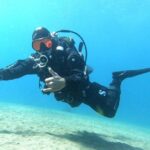
- The shallow practice part: where confidence gets built fast
- What 6 meters looks like (and why that limit helps)
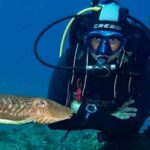
- Marine life and volcanic rock: the payoff at beginner depth
- Price and value: is $106 a good deal?
- Language and instructor style: making it feel simple
- Who should book, and who should skip
- Final call: should you book this beginner try-scuba session?
- FAQ
- Do I need any scuba experience or certification?
- How deep do you go during the experience?
- What is the underwater time like?
- Is pickup and transportation included?
- What languages are instructors available in?
- What should I bring?
- Are photos included?
- How long should I wait before flying after the experience?
- Is it suitable for children?
Key things to know before you book
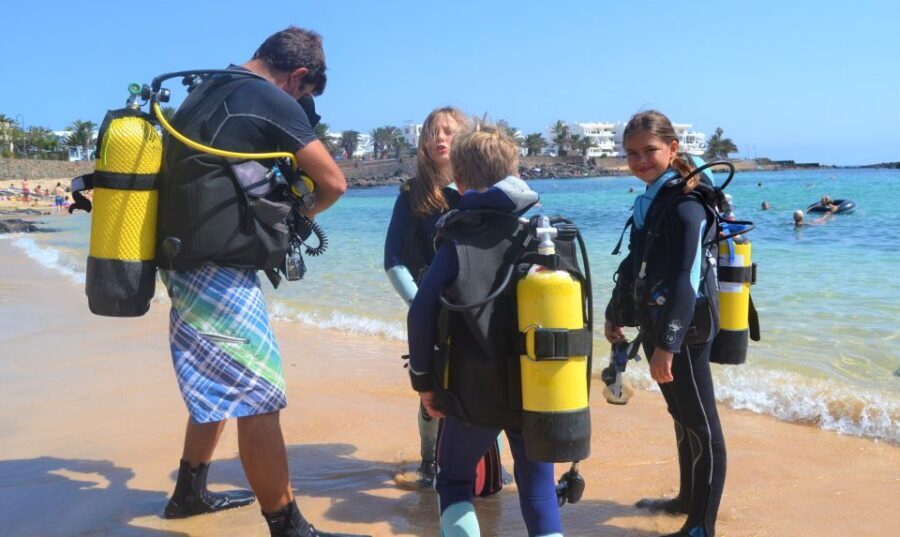
- Small-group attention with close instructor eyes so skills feel safe and not rushed
- Maximum 6-meter training depth built for confidence, not showy conditions
- A real intro-to-scuba flow: equipment overview, safety rules, signals, then simple practice
- Lanzarote’s volcanic coast means rocky underwater formations and lots to look at
- Multilingual instruction (German, French, English, Spanish) depending on who’s leading that day
Why Lanzarote’s Atlantic is a smart first underwater session
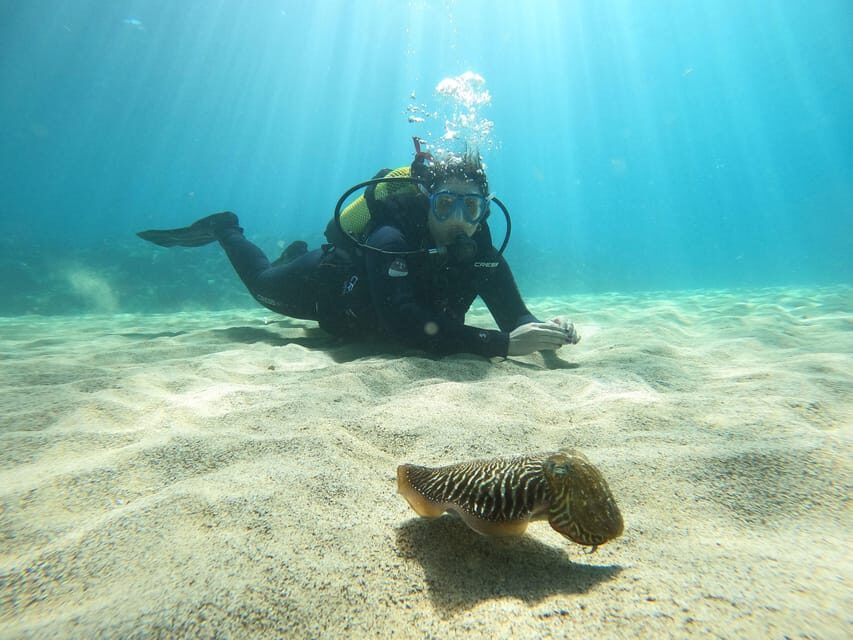
Lanzarote is a great place to start because the environment is set up for beginner comfort: clear open water, rocky volcanic shapes under the surface, and a controlled plan that stays shallow. You’re not trying to conquer big depths or strong currents on day one. You’re learning how breathing, buoyancy, and basic communication feel in real water.
I also like that the experience is timed so it doesn’t drag. The total activity is about 2.5 hours, and the actual underwater time is typically 40–50 minutes. That’s long enough to feel you’ve done something meaningful, yet short enough that you’re not exhausted before the novelty wears off.
The “maximum depth of 6 meters” is more than a number. It’s the difference between a first-timer day that feels like training and one that feels like pressure. At this depth, you can focus on learning and watching marine life instead of fighting nerves.
Other scuba diving tours in Lanzarote
Getting picked up and briefed: how the 2.5 hours run
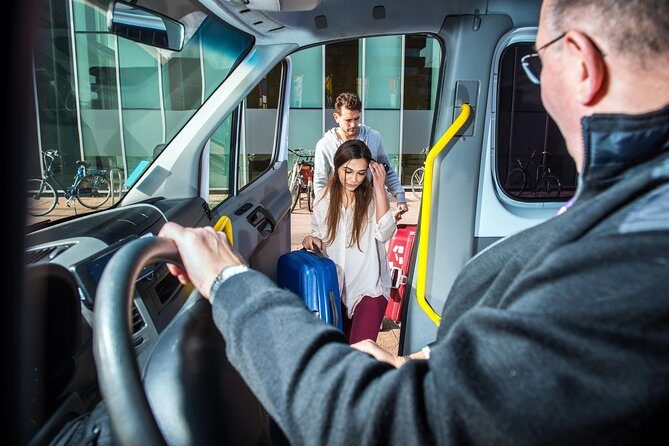
Your day starts with transport. You can be picked up from three spots: Puerto del Carmen, Arrecife, or Costa Teguise. Expect about 20 minutes by van to the meeting point and then onward to the briefing area.
The schedule builds in a full 30-minute safety briefing before you go anywhere near the water. This matters because the hardest part for first-timers usually isn’t the ocean—it’s understanding the rules of breathing, equipment use, and underwater hand signals quickly enough to feel calm. If you go in with questions, this is when you’ll have the instructor’s full attention.
Then you have the water time (about 1 hour total in the plan), followed by another roughly 20 minutes back to your drop-off locations: Arrecife, Puerto del Carmen, or Costa Teguise. The value here is practical: you don’t have to coordinate your own gear pickup, car parking, or a separate meeting point.
Gear, signals, and safety: what you’re taught before you go down
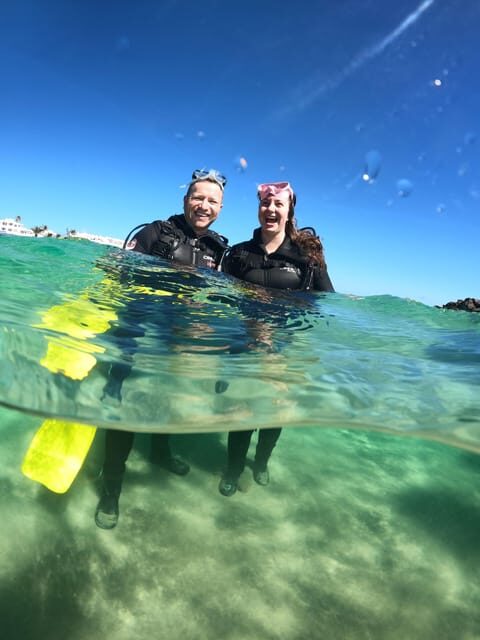
The experience is built around a straightforward logic: learn the basics on land, then practice in calm shallow conditions, then move to your first real underwater outing.
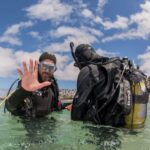
You’ll start with an equipment overview and safety guidelines, plus underwater communication basics. Even if you’re not technical, you’ll learn the mindset: follow the instructor, check your setup, and use the same signals every time. If you’ve ever heard people say scuba is “easy once it clicks,” this is where that click happens.
Instructors here are multilingual—German, French, English, and Spanish—and that’s a real advantage on Lanzarote, where many visitors don’t speak the local language. One important detail from real-life experiences: if your booked language isn’t available, the session can still run in another of the listed languages and the pace should stay beginner-friendly.
I also appreciate the instructor-to-student ratio implied by the small-group format. You’re not treated like an anonymous participant. You’re treated like someone learning a new motor skill. That changes everything about stress level.
The shallow practice part: where confidence gets built fast
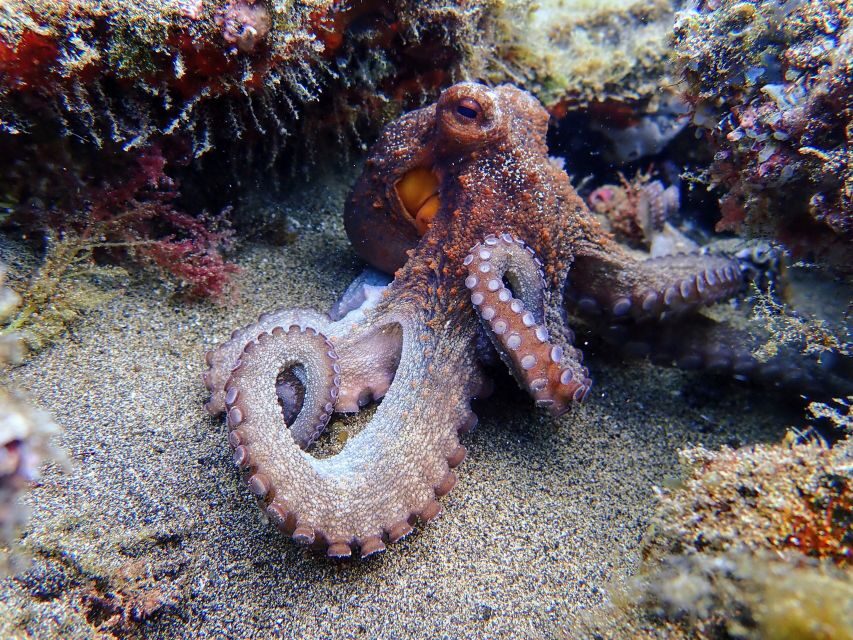
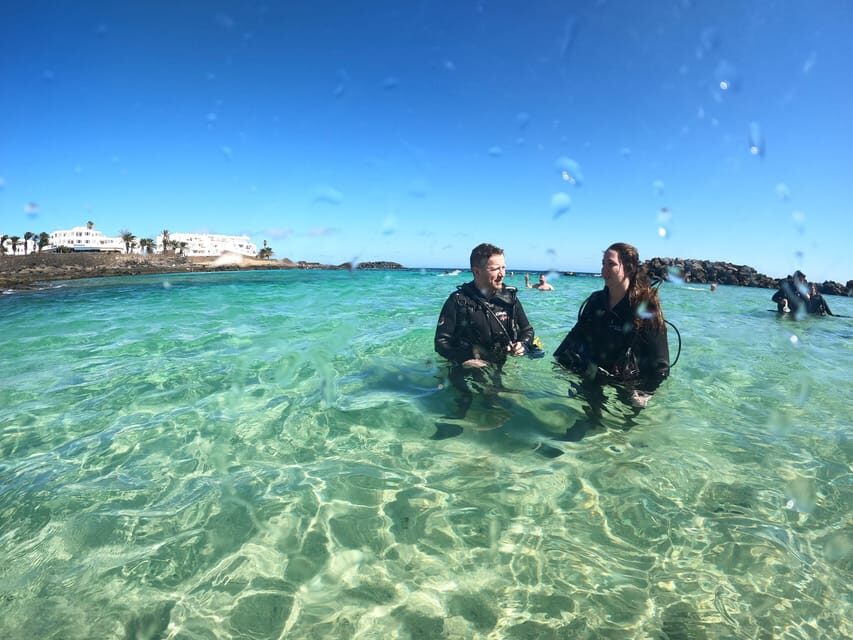
Before you head to the main underwater area, you’ll practice a few simple skills in the water at a calm, shallow site. This “practice first” approach is what keeps the day from turning into a one-minute thrill followed by panic.
In practical terms, the shallow stage gives you time to learn:
- how to breathe consistently through the regulator
- how to control your body position and buoyancy without fighting it
- how underwater hand signals work in real conditions
You’ll be closely accompanied by your instructor. That’s not a vague promise. For a first session, close supervision is what lets you relax enough to actually look around instead of constantly checking your fear level.
And there’s another underrated benefit: it reduces the time you spend guessing. You’ll know what you’re doing because you practiced it just minutes earlier.
What 6 meters looks like (and why that limit helps)
The experience sets a maximum depth of 6 meters, which is perfect for a first attempt. At that depth, many beginners report feeling like they can pay attention to the experience instead of constantly scanning for what could go wrong.
The session is planned to keep you comfortable and safe while exploring the seabed features nearby. Your underwater time is typically 40–50 minutes, which means you’ll likely get:
- time to slow down and breathe
- time to use the skills you practiced
- time to enjoy the scenery and marine life
Also, because the water is clear enough for beginners to see, your brain can do what it wants most: look and wonder. You’re watching marine life up close and studying underwater volcanic rock formations rather than staring at your equipment the whole time.





Marine life and volcanic rock: the payoff at beginner depth
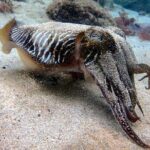
This is the part I think you’ll remember. Lanzarote’s underwater setting has an unmistakable volcanic flavor—rocky formations shaped by geology, not by someone building a theme park for divers.
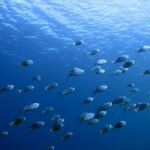
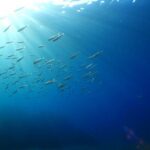
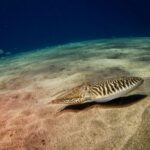
At beginner depth, you’re likely to see fish close enough to notice movement patterns, and you’ll get the sense of being in the open Atlantic rather than a featureless aquarium tank. Even if you’re not obsessed with species names, the visual experience lands: shapes, shadows, and fish activity right where you can actually take it in.
The day isn’t positioned as a “wildlife safari.” It’s positioned as a first underwater education. So the goal is connection: you learn how to function underwater and you see enough marine life to make you want to keep learning.
Price and value: is $106 a good deal?
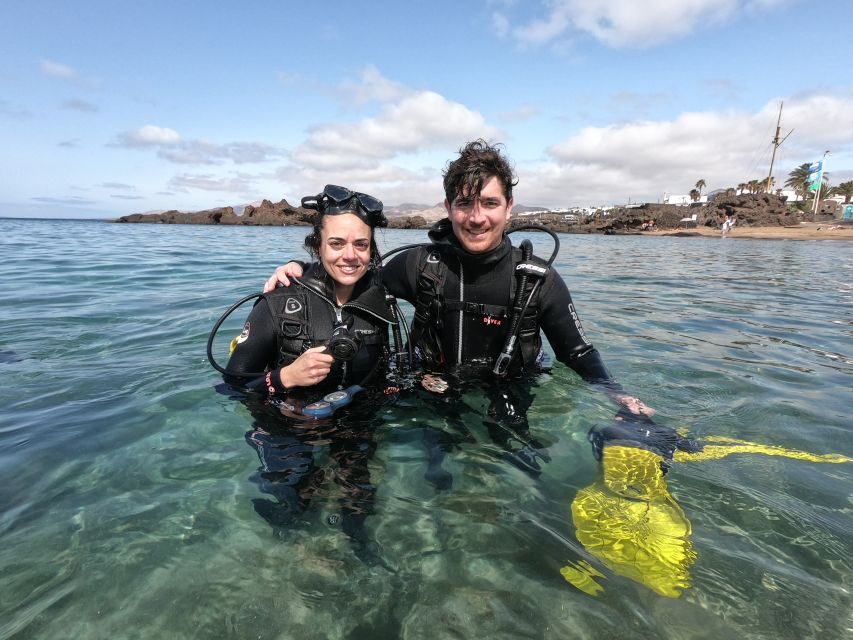
$106 per person for a 2.5-hour, beginner-focused intro session can feel like either a lot or a bargain depending on what’s included. In this case, it’s closer to bargain territory because the package is doing real work for you.
Here’s what you get included:
- Transportation (pickup and drop-off)
- Equipment
- Insurance
- Refreshments
- Hotel pickup and drop-off
When you compare that to what you’d otherwise pay for gear rental plus a separate guided service, the price becomes easier to justify. Also, small-group instruction is the expensive part of the equation, and here the format is kept small.
What’s not included is photos. If getting a picture matters to you, plan for that cost separately. Otherwise, this is a solid value if your priority is learning safely and enjoying your first underwater outing.
Language and instructor style: making it feel simple
I’m a big fan of experiences where instructions are clear enough that you don’t have to translate in your head. Here, the instructor languages listed—German, French, English, Spanish—help you avoid the frustration of learning a new skill through shaky communication.
In one set of experiences, a guide was on holiday and the session ran in English even though it was booked in German. The key detail is that the explanation still stayed slow and clear, which is what you want for a beginner. That’s not just about language; it’s about pacing.
Rémi comes up often in feedback as someone who reassures nervous first-timers. If you’re bringing someone who’s anxious about the idea of breathing underwater, that kind of calm coaching can turn a scary plan into a doable one.
Who should book, and who should skip
This session is ideal if you’re:
- starting from zero and want a first structured attempt
- curious about underwater life and the volcanic rock setting
- looking for close instructor support rather than a bigger, less personal group
It’s also a good first step if you’re thinking about certification later. The day gives you the taste of procedure: safety rules, equipment handling, and basic underwater technique.
On the other hand, it’s not for you if any of the listed health or safety concerns apply. The activity is not suitable for pregnant women, children under 8, people with claustrophobia, respiratory issues, heart problems, epilepsy, high blood pressure, back problems, people with recent surgeries, or low fitness.
If you’re unsure, it’s worth being honest with the provider before you go. With scuba-related activities, it’s better to lose the booking than to risk pushing your body into a situation it can’t handle.
Final call: should you book this beginner try-scuba session?
I’d book this if your goal is simple: learn the mechanics, feel safe with close supervision, and see enough underwater life to remember it after you’re back on land. The combination of shallow training up to 6 meters, a capped group size, and multilingual instruction makes it a smart choice for first-timers.
Skip it if you know you’ll struggle with any of the health or comfort restrictions. And if photos matter, remember they’re not included—so plan for that.
If you want, tell me your travel dates and which pickup area you prefer (Puerto del Carmen, Arrecife, or Costa Teguise). I can help you plan the timing so the rest of your day on Lanzarote stays stress-free.
FAQ
Do I need any scuba experience or certification?
No. The session is designed for complete beginners and starts with an introduction to safety rules, equipment, and underwater communication.
How deep do you go during the experience?
The maximum depth is 6 meters.
What is the underwater time like?
You’ll spend about 40–50 minutes underwater during the session.
Is pickup and transportation included?
Yes. Hotel pickup and drop-off are included, with pickup from Puerto del Carmen, Arrecife, or Costa Teguise and drop-off at the same three areas.
What languages are instructors available in?
Instructors can teach in German, French, English, and Spanish.
What should I bring?
Bring swimwear and a towel.
Are photos included?
No. Photos are not included.
How long should I wait before flying after the experience?
You must wait 12 hours before flying after one session, and 24 hours after two sessions.
Is it suitable for children?
No. It’s not suitable for children under 8 years.