REVIEW · LANZAROTE
Lanzarote: Sea Safari Experience
Book on GetYourGuide →Operated by Sea Safaris Lanzarote S.L · Bookable on GetYourGuide
Whales and dolphins can show up fast. This sea safari is built around one goal: getting you real time on the Atlantic with a skipper, a marine expert, and even a hydrophone to help find cetaceans. I love how the boat makes you feel close to Lanzarote’s volcanic coastline, and I also like the no-nonsense approach of an onboard expert team working together. One thing to keep in mind: this is a smaller motor trimaran, so the ride can feel choppier than on larger catamarans, and there’s no mention of onboard toilets.
The best part is what you’ll learn while you’re watching. I like that you’re not just handed binoculars and sent away; you get guidance while the skipper searches along the coast. You may hear guide names like Maria or Jorge for some departures, but the consistent theme is the same—spotting + marine education from people who know these waters. If you’re sensitive to motion, plan ahead because a 2–3 hour trip on open water can hit some people harder than others.
In This Review
- Key things to know before you go
- Setting Sail on an 8.6-Metre Motor Trimaran (What That Means for You)
- Lanzarote’s Volcanic Coast: The Views You’re Really Paying For
- How the Search Works: Skipper, Marine Expert, and Cetacean Listening
- What Happens During the 2–3 Hour Boat Safari
- Price and Value: Is $71 Really Fair?
- Who Should Book This (and Who Might Regret It)
- Practical Tips for Comfort and Getting the Most From the Safari
- Should You Book the Lanzarote Sea Safari?
- FAQ
- How long is the Lanzarote sea safari experience?
- What’s included in the ticket price?
- What should I bring?
- Where do I meet the tour?
- What languages is the guide available in?
- Is food and drinks included?
- Are there rules about what I can bring or do on board?
- Is this tour suitable for young children or pregnant women?
Key things to know before you go
- Small-group format with limited participants, so you’re not lost in a crowd while scanning for animals
- Hydrophone onboard for listening to cetaceans as you cruise
- Volcanic cliffs from the Atlantic with a rare low, sea-level perspective
- Skipper + marine expert teamwork for faster, smarter searching
- A compact 8.6-m motor trimaran (fast and maneuverable, but not “floating comfort”)
- A focused 2–3 hour safari geared toward spotting whales, dolphins, and other marine life
Setting Sail on an 8.6-Metre Motor Trimaran (What That Means for You)
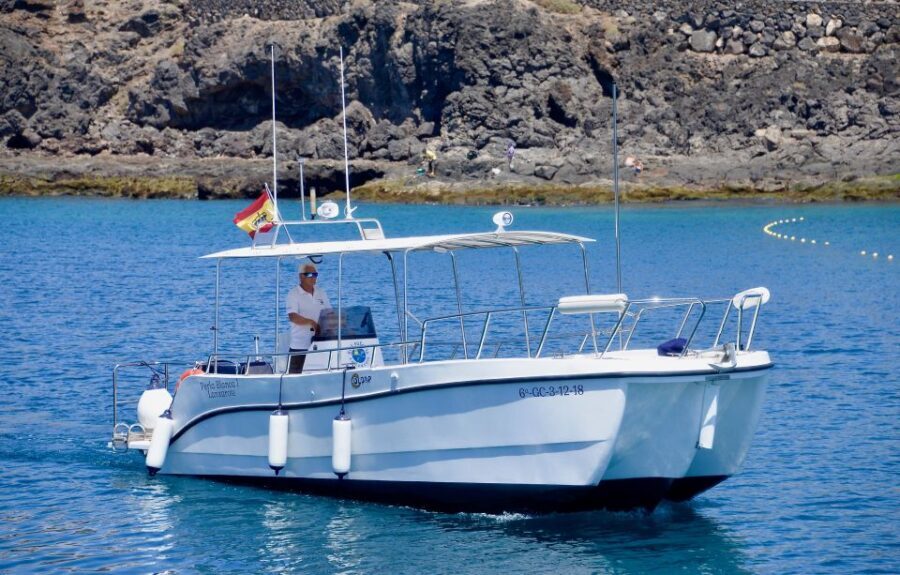
This is not a big cruise ship day. You’ll board an 8.6-metre long OLBAP TR8 motor trimaran built for maneuvering along Lanzarote’s coastline. It’s powered by a Mercury Verado 250 H.P. four-stroke outboard engine, and it comes with safety and navigation tech like autopilot, an electronic chartplotter, and two VHF DSC radios.
For your comfort and expectations, the key detail is the size: the boat is licensed to carry 15 people, while the tour itself is limited to 10 participants. That usually helps with two things. First, you get easier access to the viewing spots when animals surface. Second, the skipper and guide can actually talk to everyone without shouting across a deck.
The other piece is the hydrophone. That’s not just a gimmick. It signals that this operator is actively searching for cetaceans using more than just eyesight. In practice, it means you’re more likely to get into the right area sooner, and you’ll understand what’s going on beyond the moment you spot a fin.
There’s also a real-world tradeoff with smaller boats: when the water gets rough, you’ll feel it. One downside that came up in feedback is that the trimaran can move noticeably, and some people can feel seasick on longer stretches. If you know you’re prone to motion sickness, bring your own strategy (timing, posture, and any medication you normally use).
A few more Lanzarote tours and experiences worth a look

Lanzarote’s Volcanic Coast: The Views You’re Really Paying For
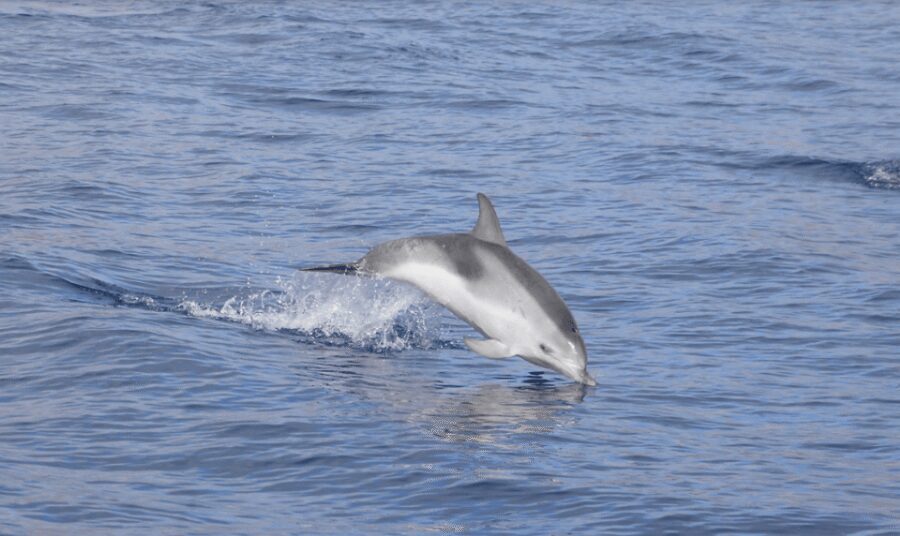
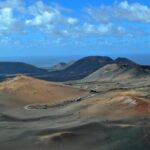
Lanzarote’s coast is all about sharp edges—volcanic cliffs, stark rock, and a terrain shaped by old volcanic activity. From land, you mostly get a wide-angle view. From the sea, you get depth. You see how the coastline cuts into the Atlantic, where rock formations drop straight down, and how the shoreline bends and changes with each stretch of water.
This safari is designed to give you that perspective. The boat cruises along the coast while searching for marine life, so you’re not stuck waiting for a distant sighting with nothing to look at. Even if animal spotting takes time, the coastline itself keeps the trip visually interesting: the cliffs look dramatic when you’re close to sea level, and the whole area feels more “geological” than tourist-brochure flat.
A practical note: since you’ll be on open water, you’ll want to wear comfortable clothes and comfortable shoes with good grip. High heels aren’t allowed, which tells you a lot about the operator’s expectation of movement on deck. Dress for stability first, style last.
How the Search Works: Skipper, Marine Expert, and Cetacean Listening
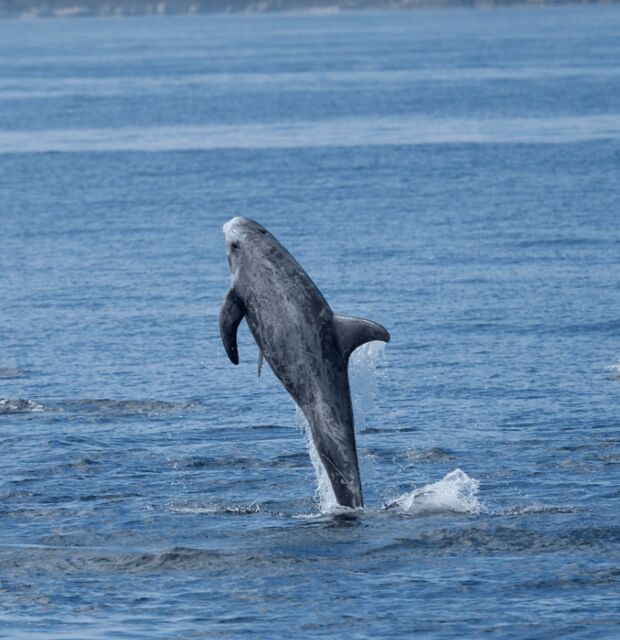
On this tour, the spotting isn’t random. You’ve got an experienced skipper plus a marine expert and a cetacean expert onboard. That matters because whales and dolphins aren’t rare decorations—they’re living animals with patterns. A skilled crew can interpret what they see: water texture, surfacing behavior, and where activity concentrates.
The hydrophone adds another layer. Instead of only scanning with your eyes, you’re also listening for signs of cetaceans. You’ll likely hear explanations that make the sightings feel more meaningful, like what you’re hearing and why the boat may change course.
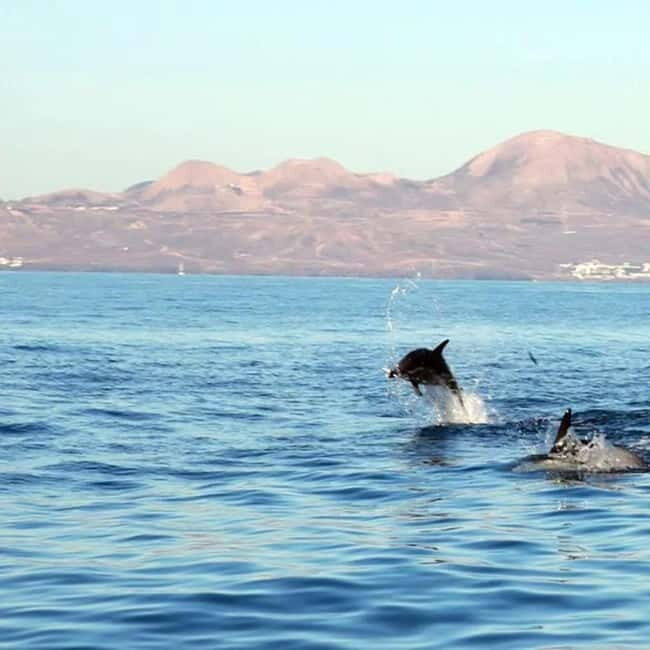
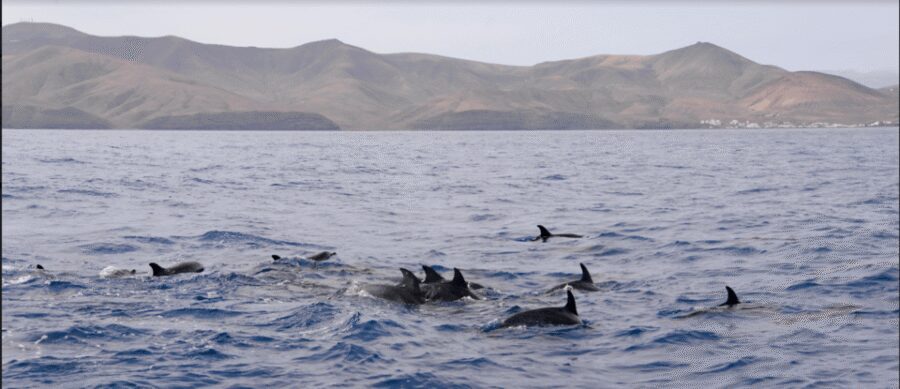
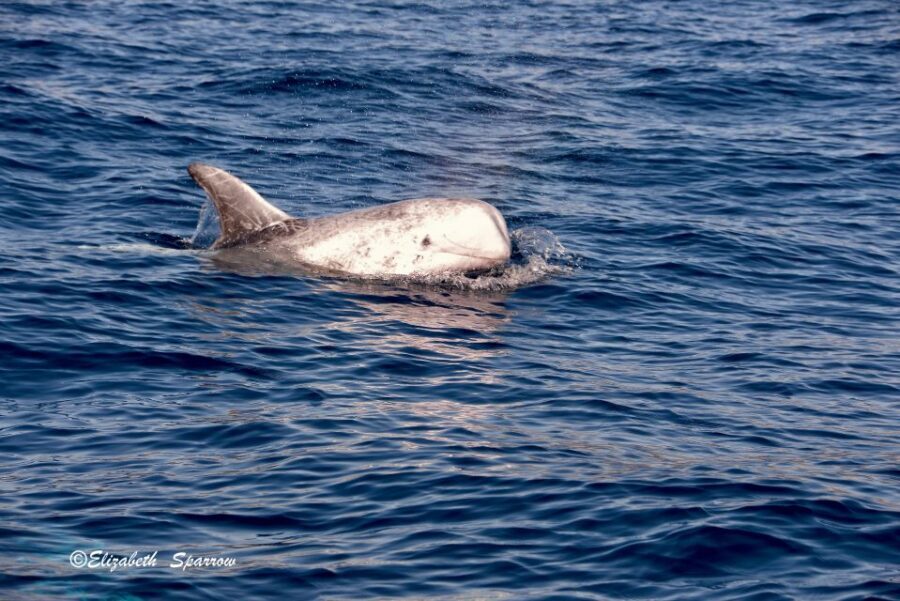
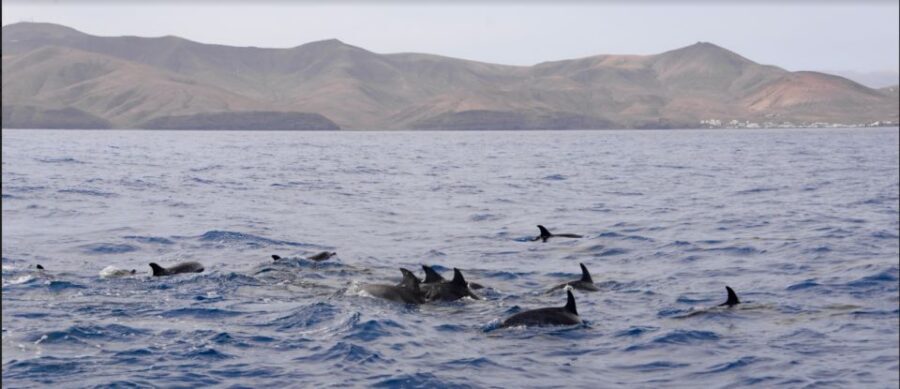
From positive experiences shared in feedback, the strongest moments often happen when the skipper can spot animals far out. One account described a captain with a remarkable eye who was able to find groups of dolphins and bring the boat into good viewing distance. Another highlighted dolphins approaching closely—sometimes even passing under the boat—especially when conditions are calm.
So what should you expect in real life? You should expect active searching and frequent scanning. You may see lots of dolphins, you may see whales at some point, and you may also spot smaller marine life along the way. The tour is built to focus on whales, dolphins, and other marine life, not on a single “guaranteed highlight.”
The “education while you watch” part is where the safari tends to feel worth it. When your guide can explain what you’re seeing—behavior, species basics, and why the area matters—the trip turns into more than sightseeing. It becomes a learning outing that stays fun.
What Happens During the 2–3 Hour Boat Safari
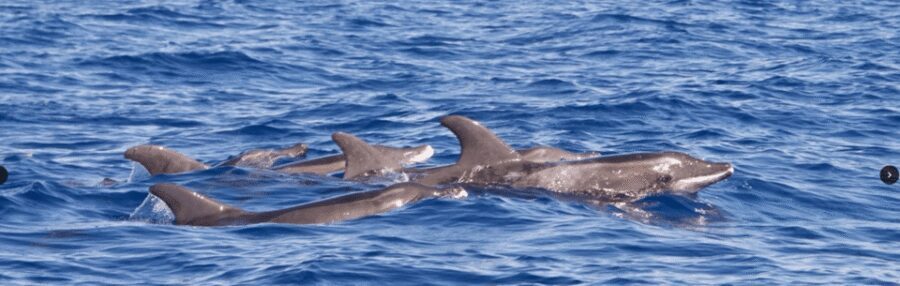
Timing is the whole game on wildlife tours. This one runs about 3 hours, with some departures described as 2–3 hours depending on scheduling and availability. The boat is set up for cruising and searching along Lanzarote’s coastal waters, and that’s the itinerary pattern.
Here’s the flow you should picture:
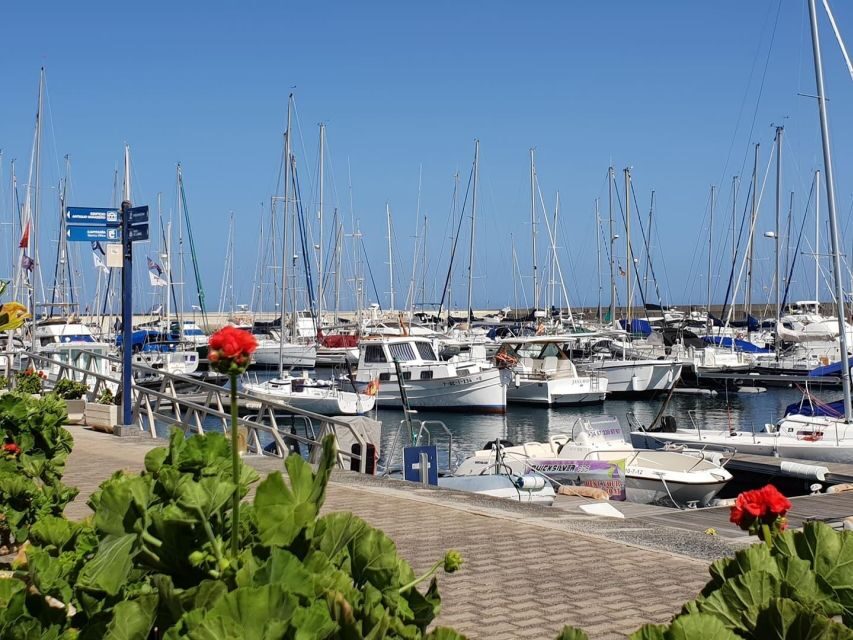
- Meet and board at the top of pontoon H. Look for the Sea Safaris board. Arrive about 15 minutes before departure so you’re not rushing with boarding.
- Cruise along the coast while the skipper and experts scan. This is when you get the first coastline views and the first animal checks.
- Search and adjust. When animals are spotted, the boat changes position to give everyone a good look. This is also where you’ll get the best teaching moments.
- Return after the safari window. The tour is short enough to stay energetic, but long enough to allow real searching rather than a quick in-and-out.
One important comfort factor: this isn’t a “sit in luxury” experience. Feedback included complaints about limited space and no onboard toilets for a 3-hour time window. So if you’re sensitive about bathroom breaks or comfort, plan carefully before you go.
Also, bring a mindset that matches the environment. You’re on a working marine safari boat. You’ll likely spend time moving your gaze from the coastline to the water surface, and you’ll be standing or shifting to get the best view. Comfortable footwear is part of safety here.
Price and Value: Is $71 Really Fair?
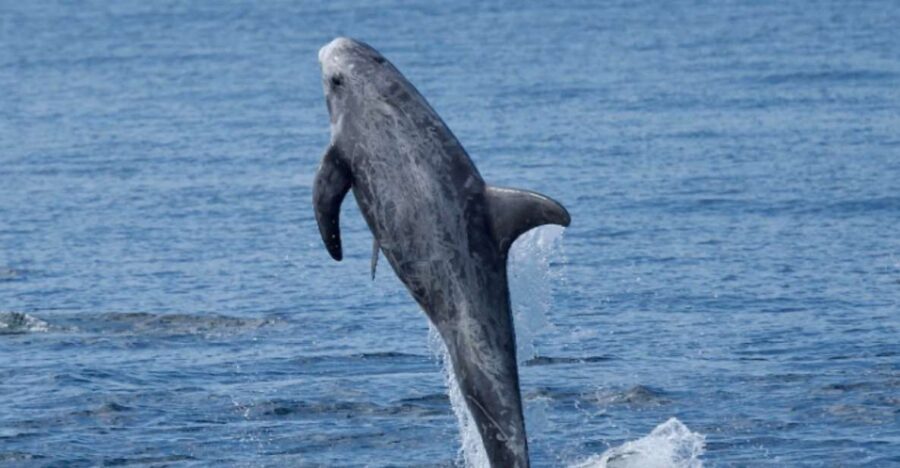
At about $71 per person for a 3-hour experience, the value comes from three places: expert crew, time on the water, and the small-group format.
If you compare this to bigger sightseeing cruises, the price looks reasonable only because you’re paying for actual marine searching and interpretation—not just a scenic route. The hydrophone, cetacean expertise, and dedicated marine expert onboard are the ingredients that help turn “maybe we’ll see something” into “we’re actively looking for it and you’ll learn along the way.”
The small group matters too. Limited to 10 participants, you’re more likely to have a good line of sight and a more personal experience when the guide is explaining marine life. It also usually means less waiting for the boat to “clear the crowd” before scanning can happen.
The balanced part of the equation is that wildlife spotting can be variable. The tour focuses on whales and dolphins, but you’re still dealing with animals in their natural habitat. On calm mornings, people report dolphins in groups and close approaches. On other days, you might see less, which is where your personal expectations matter.
My practical take: this is a good buy if you want an active, guided sea safari and you’re okay with small-boat conditions. If you want maximum comfort and minimal motion, you might find the trimaran less forgiving.




Who Should Book This (and Who Might Regret It)
This trip suits you best if you:
- Enjoy being out on the Atlantic and don’t mind some boat movement
- Like learning as you watch, not just taking photos
- Want a small-group marine experience with a skipper and marine experts working together
- Are primarily there for whales, dolphins, and marine life, not for onboard amenities
It may not fit as well if:
- You’re prone to seasickness. Feedback included that the boat can move a lot, and that can trigger nausea for some people during the 3-hour ride
- You need lots of onboard comfort space or you’re very sensitive to the lack of toilets
- You’re traveling with anyone under 2 years old, since it’s not suitable for children under 2
- You’re pregnant, since the tour is not suitable for pregnant women
Also note the onboard rules: smoking and vaping aren’t allowed, and high-heeled shoes aren’t allowed. That’s not just housekeeping. It’s also a clue that the operator expects movement and wants stable deck conditions.
Practical Tips for Comfort and Getting the Most From the Safari
A few simple choices can make your experience smoother.
First: wear comfortable clothes and comfortable shoes with good grip. High heels are out, and you’ll be on deck in moving conditions. Dress for stability.
Second: if you’re sensitive to motion, don’t ignore it. The smaller trimaran can feel more “hands-on” than bigger boats. Consider your typical motion sickness habits before you arrive at the pier.
Third: show up on time. The meeting point is specific: top of pontoon H, and you should look for the Sea Safaris board. Arriving 15 minutes early gives you a buffer for boarding and getting positioned.
Fourth: plan your expectations around the way cetacean sightings work. The crew will use scanning and a hydrophone, but marine life still has its own schedule. If you treat the trip like a guided search with chances to see whales and dolphins, you’ll enjoy the learning part even on quieter stretches.
Languages are another practical win. The live guide is offered in Spanish, English, and German, so you can follow along without guessing.
Should You Book the Lanzarote Sea Safari?
Book it if you want a hands-on marine day: a small group, expert guidance, and real time at sea looking for whales and dolphins around Lanzarote’s volcanic coastline. The hydrophone and cetacean expertise are strong signals that this isn’t a casual cruise—it’s a focused sea safari.
Skip—or at least think twice—if you’re very uncomfortable on boats or you need maximum onboard comfort. The trimaran’s size can mean a bumpier feel, and there’s mention of no toilets for the duration, which matters on a 3-hour outing.
If you go in prepared—with the right shoes, a comfort plan for motion, and the right expectation that wildlife sightings vary—you’re likely to come away with both a memorable coastline experience and a better understanding of what you’re actually seeing in the Atlantic.
FAQ
How long is the Lanzarote sea safari experience?
The experience runs about 3 hours, with some departures noted as lasting 2–3 hours depending on availability.
What’s included in the ticket price?
Life jackets and a boat safari are included.
What should I bring?
Wear comfortable shoes and comfortable clothes.
Where do I meet the tour?
Meet at the top of pontoon H. Look for the Sea Safaris board. Arrive about 15 minutes before departure.
What languages is the guide available in?
The live guide is available in Spanish, English, and German.
Is food and drinks included?
No. Food and drinks are not included.
Are there rules about what I can bring or do on board?
High-heeled shoes are not allowed, and smoking and vaping are not allowed.
Is this tour suitable for young children or pregnant women?
No. It’s not suitable for children under 2 years old, and it’s also not suitable for pregnant women.