REVIEW · LANZAROTE
Lanzarote: Whale and Dolphin Watching Eco-Friendly Catamaran
Book on GetYourGuide →Operated by WeWhale Lanzarote · Bookable on GetYourGuide
That quiet hum of an electric boat is a win. This is Lanzarote’s whale-and-dolphin trip done with less disturbance and more science at sea. You’ll cruise on the Canary Islands’ first fully electric, emission-free catamaran, and the crew helps you read what you’re seeing—right down to whale calls via an onboard hydrophone.
Two things I really like about this outing: the silent, diesel-free sailing makes a real difference in how the sea feels, and the whole experience stays educational, not just scenic. You also get small “comfort touches” like fresh fruit and local snacks while you’re out there watching for dolphin pods or a whale surface.
One possible drawback: wildlife spotting depends on conditions. On a cloudy, chilly early-February day, one booking didn’t turn up whales or dolphins, so if you’re going in cooler or rougher weather, keep expectations flexible.
In This Review
- Key things I’d mark on your map before you go
- Electric propulsion: the secret to a more animal-friendly sail
- The “watch + listen” format with the hydrophone
- Where the cruise starts: Puerto Calero Dock F22
- What happens during the 4-hour outing at sea
- Spotting dolphins, and what the best sightings tend to feel like
- Wildlife etiquette: how the crew keeps it respectful
- Snacks, drinks, and the small comforts that make 4 hours easier
- Weather and wildlife odds: when to plan your expectations
- Price and value: what you’re paying for at $112 per person
- Who this eco-catamaran cruise suits best
- Tips to get the most from your trip
- Should you book this electric whale-and-dolphin cruise?
- FAQ
- How long is the Lanzarote whale and dolphin watching trip?
- Where do I meet the catamaran?
- What’s included in the price?
- Are there onboard guide languages?
- Is the boat wheelchair accessible?
- What should I bring, and what’s not allowed?
Key things I’d mark on your map before you go
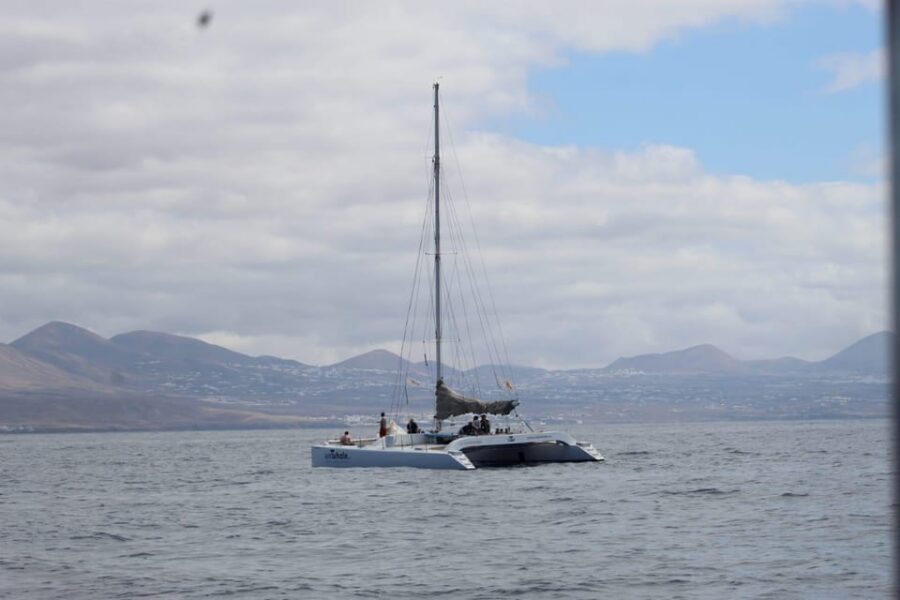
- Fully electric catamaran = quieter time on the water and fewer smells than diesel boats
- Onboard hydrophone lets you hear whale and dolphin communication underwater
- Minimal-disturbance approach with crew guidance helps animals stay in their own rhythm
- Local snacks, soda/pop, and fresh fruits keep you fueled during the 4-hour outing
- A close-to-the-water feel from the catamaran style makes sightings feel more immediate
Electric propulsion: the secret to a more animal-friendly sail
The big selling point here is the boat itself: a fully electric catamaran, built for silent, emission-free trips in Lanzarote’s Atlantic waters. That quiet matters more than you’d think. When the engine isn’t blasting noise and fumes, you feel closer to the ocean rather than to the machine.
It also changes the vibe for your whole group. Instead of everyone talking over engine sound, you get a calmer atmosphere where the crew can explain what you’re seeing. If you’ve ever been on a tour where the boat noise makes you miss details, you’ll appreciate what electric does for attention.
Other boat tours in Lanzarote

The “watch + listen” format with the hydrophone
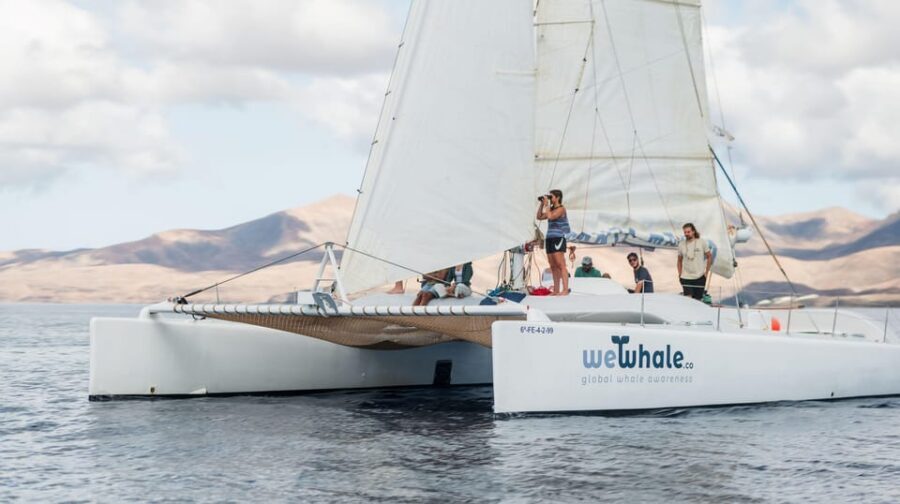
This isn’t just point-and-watch. The crew uses an onboard hydrophone so you can listen for underwater communication from whales and dolphins. That turns a sighting into a fuller experience. You’re not only scanning for blows and fins—you’re also picking up the sounds that come with animal behavior.
Here’s the practical part: you don’t need to be an expert to benefit. The crew’s commentary is designed to connect what you hear to what you might be seeing. If you catch dolphin activity, the hydrophone can make it feel less random and more like a real interaction happening below the surface.
And yes, silence helps. In the best moments, the whole boat goes still, because everyone’s listening for cues from the sea.
Where the cruise starts: Puerto Calero Dock F22
You meet in Puerto Calero, at Dock F22 in the marina. Parking is available, and you can also get there by bus or taxi without drama. I’d still give yourself a few extra minutes. Marinas have a way of making short distances feel longer when you’re hunting for the right pontoon.
The trip runs for 4 hours total. That’s a nice length: long enough to get into a rhythm of scanning and listening, short enough that you’re not wrecked by the end, especially in cooler months.
One important note for planning: the boat is not suitable for wheelchair users. If mobility is a concern, this one is a hard stop.
What happens during the 4-hour outing at sea
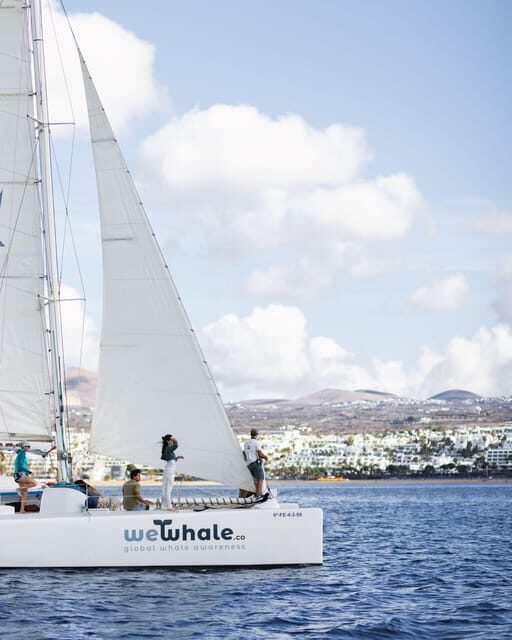
You can think of this cruise as three overlapping parts: sail out, watch and listen, then sail back with the coast in view.
1) Boarding and settling in
Once you’re on board, you’ll get oriented by the crew and start the search for marine life. On a catamaran, you typically feel the water more closely than on larger boats, so the deck stays active—people are often ready for the next “there!” moment.
2) Cruising with expert commentary
As you glide through the Atlantic, the crew provides ongoing info about marine life and the ecosystem. This is where the experience stops being purely entertainment. You’ll learn how to interpret behavior—things like where dolphins tend to appear relative to conditions, and how whales may surface.
3) Hydrophone moments and onboard snacks
At points during the trip, the crew highlights the underwater soundscape via the hydrophone. This is also when you’ll enjoy the included food and drinks. The menu is simple and easy: snacks, soda/pop, and fresh fruits. It’s not a full meal, but it’s enough to keep you comfortable while you wait for nature to do its thing.
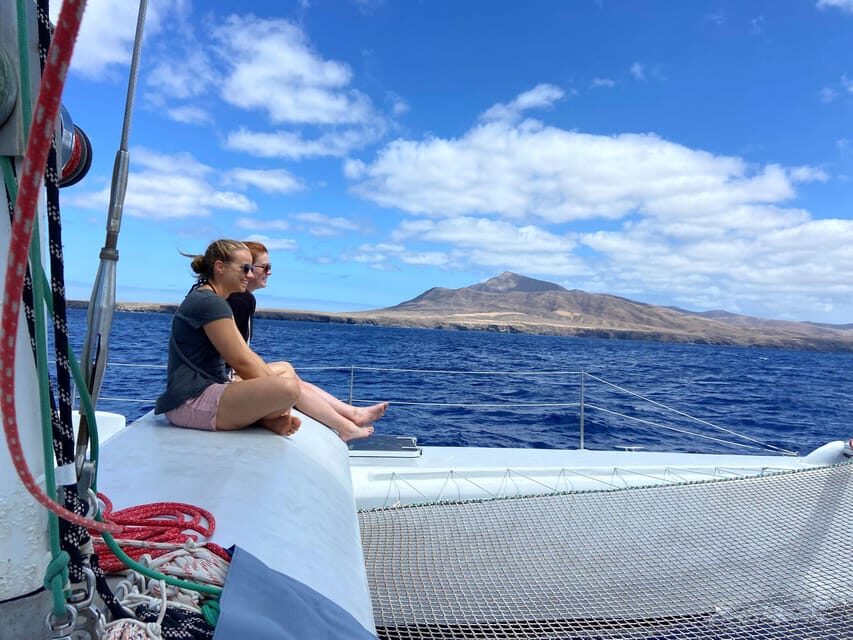
Between sightings, you’ll also enjoy panoramic views of Lanzarote’s coastline. That coastline time is worth paying attention to. Even when wildlife spotting is slow, the setting is part of the payoff.
Spotting dolphins, and what the best sightings tend to feel like
The goal is whales and dolphins up close, and the best trips feel organized, not frantic. The crew keeps the experience controlled, with an emphasis on not crowding animals. That approach is especially important with dolphins, which can look calm one moment and suddenly shift behavior the next. The 596-review favourite is 2h Viking Cruise Whales & Dolphins.
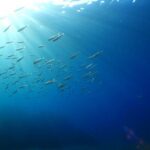
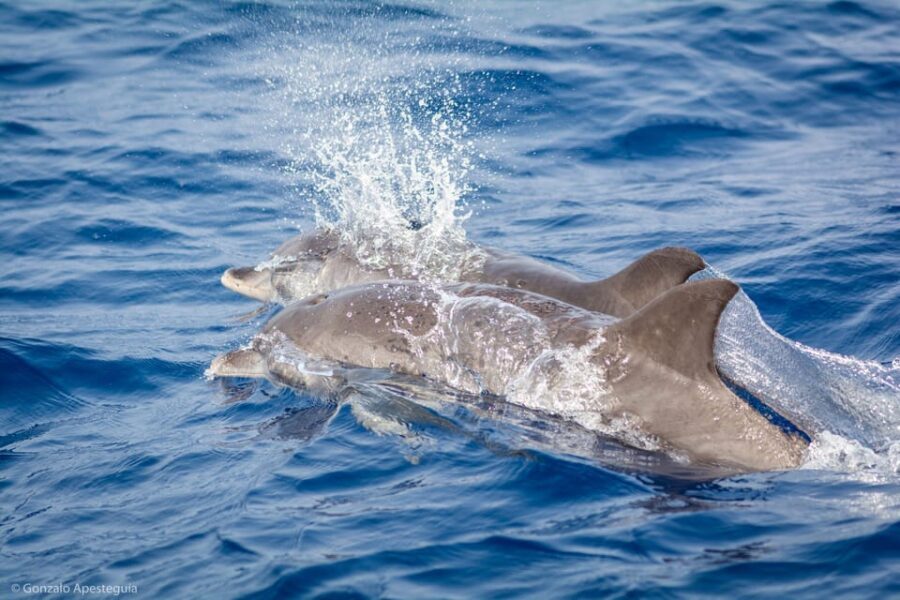
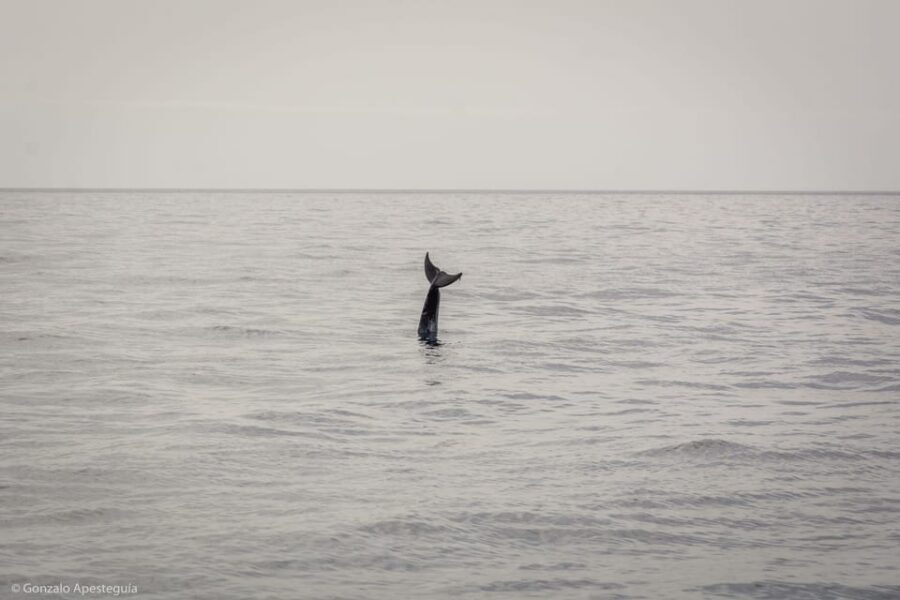
From real bookings, I’ve seen that people often get at least dolphin activity. Some trips report seeing multiple types of dolphins during the same outing. Even when whales don’t show, dolphin pods can be fascinating—fast changes, coordinated movement, and that “they noticed us” feeling, without the boat turning into a circus.
In a standout report, the trip also included a turtle sighting. If you’re the kind of person who gets excited by anything marine—star-of-the-show or not—that’s a bonus worth anticipating.
Other sailing experiences in Lanzarote
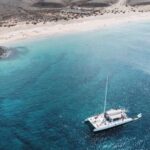
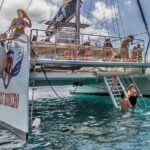
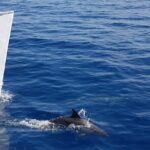
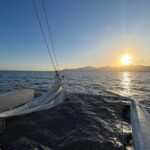
Wildlife etiquette: how the crew keeps it respectful
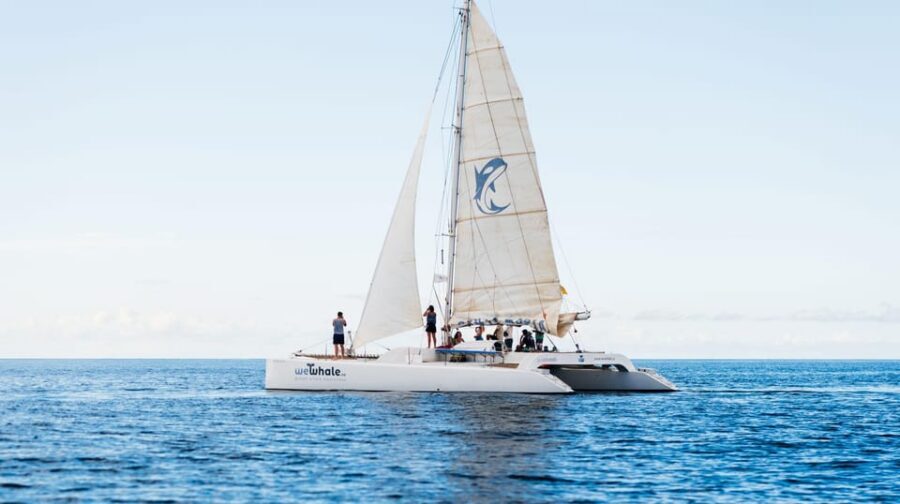
This is the part I’d call out as a quality marker. The crew is focused on observing marine life without pushing it. You’ll see it in how they guide boat positioning and how they talk about what not to do.
That aligns with the broader rules of the trip: no feeding animals, no littering, and no smoking. In practice, it helps animals stay in their own space, which is the whole point of an eco-focused outing.
Also, you’ll hear the difference in tone between a “let’s chase” boat and a “let’s watch” boat. Here, the emphasis is patience. It’s the same mindset you’d use in a good wildlife park—except you’re on open water.
Snacks, drinks, and the small comforts that make 4 hours easier
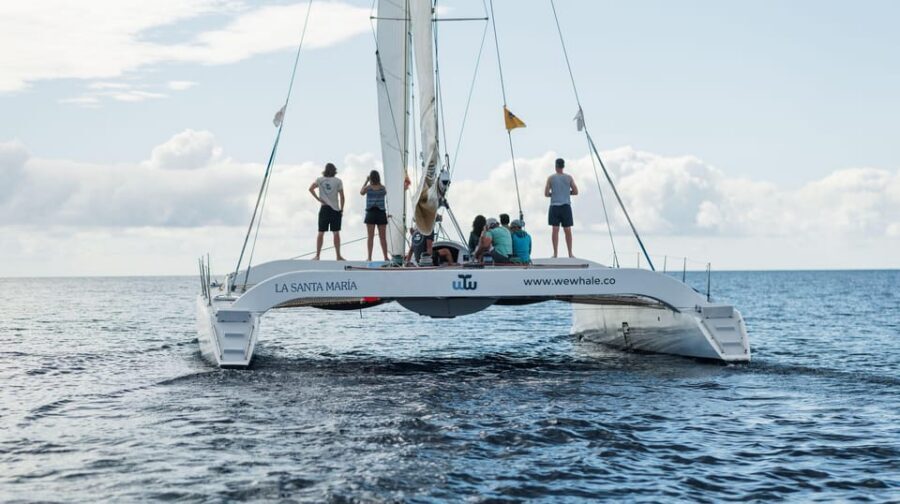
I’m a fan of tours that don’t pretend you’re not on a boat for hours. Here, you get snacks, fresh fruits, and soda/pop. That means you can stay comfortable even if you don’t get nonstop action.
It also keeps the vibe friendly. You’re not stuck waiting hungry, and you’re not forced into paying extra for basic refreshments. The result is simple: you can focus on the water, not on what you forgot to pack.
One more practical detail: bring a hat and sunscreen. Even if it’s cool, sun at sea can sneak up on you.
Weather and wildlife odds: when to plan your expectations
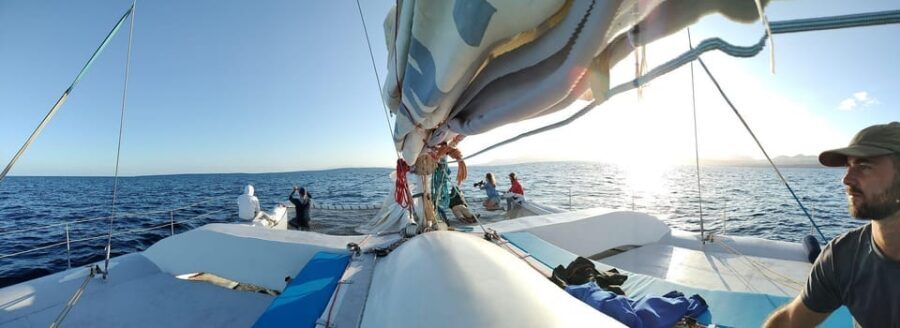
There’s no magic wand for whales. Weather shapes where animals show up and how easy it is for a boat to search.
One cautionary example from early February: a booking reported no whales or dolphins, and the day was cloudy and quite fresh. That doesn’t mean the experience is “bad”—it means conditions were not friendly to sightings.
So if you’re choosing dates:
- In calmer, clearer weather, you’ll usually get better viewing conditions.
- In colder or cloudier periods, you might still get dolphin activity, but wildlife chances can drop.
If your trip is timed tightly, I’d treat this as a wildlife cruise first and a coastline cruise second. The coastline is beautiful, but the value here is animal encounters and the listening experience.
Price and value: what you’re paying for at $112 per person
At about $112 per person for 4 hours, this isn’t a budget hop. You’re paying for three things that add up: the electric catamaran, the crew-guided learning (including the hydrophone), and a controlled, eco-focused approach to wildlife viewing.
The electric part is real value, not just marketing. Electric sailing can mean less noise, fewer smells, and a calmer onboard atmosphere that supports better listening and better attention. The hydrophone also adds something many cruises skip entirely—an audio layer that turns your time at sea into an educational experience.
Then there’s the included food: snacks, soda/pop, and fruit. It won’t replace a proper meal before or after, but it does keep you comfortable and makes the trip feel considered rather than “pay extra for everything.”
Who this eco-catamaran cruise suits best
This is a strong fit if you want:
- A more nature-first wildlife experience, with respect built into how the crew operates
- A tour that mixes sightseeing with educational guidance
- A calmer boat ride where the engine isn’t drowning out everything
It may not fit if you need wheelchair access, since the boat is not suitable for wheelchair users. And if you’re going with a group that expects nonstop action, set expectations around patience—this type of wildlife spotting is about timing and conditions as much as it is about luck.
It also works well for people who are comfortable outdoors. You’ll be on deck watching and listening, and you’ll want basic sun-and-cold protection (hat and sunscreen are both on the list).
Tips to get the most from your trip
You’ll enjoy this more if you come ready to watch for small changes. Whale and dolphin spotting is often a matter of noticing movement patterns and surface behavior, not just waiting for a huge splash.
A few practical moves:
- Dress for wind and chill, especially if you’re going outside peak summer heat
- Bring your hat and sunscreen as suggested
- Keep an eye on what the crew points out so you’re not scanning blindly
- Follow the animal etiquette: no feeding, no littering, and no smoking
Also, if you prefer a quieter setting, the electric propulsion and the hydrophone listening moments are the reason to pick this operator in the first place.
Should you book this electric whale-and-dolphin cruise?
I think you should book if you care about two things: wildlife viewing that tries to keep disturbance low, and a boat experience that feels calm enough to actually notice details. The hydrophone element alone makes it more than a generic “spot and snap photos” outing.
You might skip it if you’re going strictly for guaranteed whales. Even with a great crew and the right eco approach, nature doesn’t promise results. For that reason, I’d plan your expectations around “high chance of dolphin activity, possible whale sightings,” with weather as the biggest factor.
If you’re traveling in a season where the forecast looks gentle and bright, this is the kind of outing that makes Lanzarote’s Atlantic feel close, real, and worth the money.
FAQ
How long is the Lanzarote whale and dolphin watching trip?
It lasts 4 hours.
Where do I meet the catamaran?
You meet at Marina Puerto Calero, Pontoon/Dock F22.
What’s included in the price?
Snacks, soda/pop, and fresh fruits are included.
Are there onboard guide languages?
Yes. The live tour guide operates in French, Spanish, and English.
Is the boat wheelchair accessible?
No, it’s not suitable for wheelchair users.
What should I bring, and what’s not allowed?
Bring a hat and sunscreen. Smoking, alcohol and drugs, littering, and feeding animals are not allowed.