REVIEW · LANZAROTE
North Lanzarote: The Work of César Manrique
Book on GetYourGuide →Operated by Canary Trip Booking · Bookable on GetYourGuide
North Lanzarote runs on creativity. One day here mixes César Manrique’s art philosophy with real volcanic places, so you’re not just looking at pretty stops—you’re learning how the island thinks. I especially like the Tahiche Foundation, because the buildings feel like they grew from the lava. I also love the combo of underground geology and living plants, with Cueva de los Verdes and the cactus and aloe experiences working like nature-based museums.
The tour is strong on variety, but the main drawback is timing. Some visits can feel a bit short—especially the Cactus Garden and the Aloe Museum—so if you’re the kind of person who reads every sign and wants to linger, plan to move at a steady pace.
In This Review
- Key highlights to watch for
- Why North Lanzarote feels different than the rest
- Tahiche and the César Manrique Foundation: art you can walk inside
- Cueva de los Verdes: walking through volcanic time
- Jardín de Cactus and the Aloe Museum: plants with a point
- Jardín de Cactus: more than a pretty garden
- The Aloe Museum: why aloe matters on Lanzarote
- Teguise and the valley viewpoint: old capital plus island context
- Guatiza prickly pears, cochineal dye, and Manrique’s quarry fusion
- Price and time: is $101 good value for 8 hours?
- What you can realistically expect from the pacing
- Comfort, logistics, and small tips that save your day
- Who should book this Manrique north Lanzarote tour
- Should you book North Lanzarote: The Work of César Manrique?
- FAQ
- How long is the North Lanzarote tour?
- How much does the tour cost?
- What are the main places you visit?
- Is lunch included?
- Which tickets are included in the price?
- Does the guide speak multiple languages?
- Is the tour wheelchair accessible?
- Are pets allowed on the tour?
- What should I bring and wear?
- FAQ
- Is pickup included?
- Is it possible to cancel for a refund?
- Can I reserve without paying right away?
Key highlights to watch for
- César Manrique Foundation in Tahiche: volcanic-era spaces designed to frame art and light
- Cueva de los Verdes: a “center of the Earth” feeling through volcanic tunnels
- Jardín de Cactus: more than 1200 cactus species to slow you down (in a good way)
- Teguise’s old-town plazas: an old capital stop that gives context to the island
- Guatiza prickly pears and cochineal dye: a less-famous side of Lanzarote’s plant economy
- Aloe Museum: hands-on curiosity about why aloe matters here
Why North Lanzarote feels different than the rest
If you’ve mostly heard about Lanzarote’s southern beaches and resort life, north Lanzarote will surprise you. This side of the island leans into contrasts: volcanic rock and green pockets, small towns and big views, and art that’s built around the natural setting instead of pasted on top of it.
The driving route also matters. You pass through the Valley of the Thousand Palm Trees (El Valle de las Mil Palmeras), which gives you a quick sense of how sheltered spots can grow very different life than the drier stretches around them. It’s not a huge “wow” moment by itself, but it’s a useful transition between stops—like the tour is quietly teaching you the island’s geography.
Other Cesar Manrique tours we've reviewed in Lanzarote
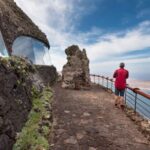


Tahiche and the César Manrique Foundation: art you can walk inside
The César Manrique Foundation in Tahiche is the kind of place where your brain starts reorganizing what art is supposed to be. You’re in an old house connected to Manrique, and the experience is designed around space—how light moves, how stone shapes the room, and how the environment becomes part of the artwork.
What I like most here is the feeling of harmony. You’re not looking at a white-wall gallery. You’re moving through spaces that respect the volcanic character of Lanzarote. Even if you don’t know Manrique’s full story, you’ll get the point fast: he treated the island like a partner.
There’s also the way the Foundation works as a bridge. Before you go, you’ve been seeing towns, valleys, and farms from the bus window. Inside Tahiche, those ideas turn into structure—so when you later visit caves and gardens, the connection doesn’t feel random.
Cueva de los Verdes: walking through volcanic time
Next comes Cueva de los Verdes, the tour’s big geology moment. The cave experience is described as uniquely beautiful, and the reason is simple: volcanic eruptions created the interior, and the result is a natural underground world you can actually walk through.
You’ll get that special “wait, this is real” reaction when the cave walls and openings start shaping your sense of scale. It feels like time slows down underground, and you stop thinking about the bus schedule and start noticing textures and shadows.
Practical tip: wear shoes that work well on uneven cave surfaces. The included pace is guided, so it’s easy to follow along, but comfortable footwear makes the difference between enjoying it and just getting through it.
Jardín de Cactus and the Aloe Museum: plants with a point
One of the best parts of this day is that it treats plants like education, not decoration.
Jardín de Cactus: more than a pretty garden
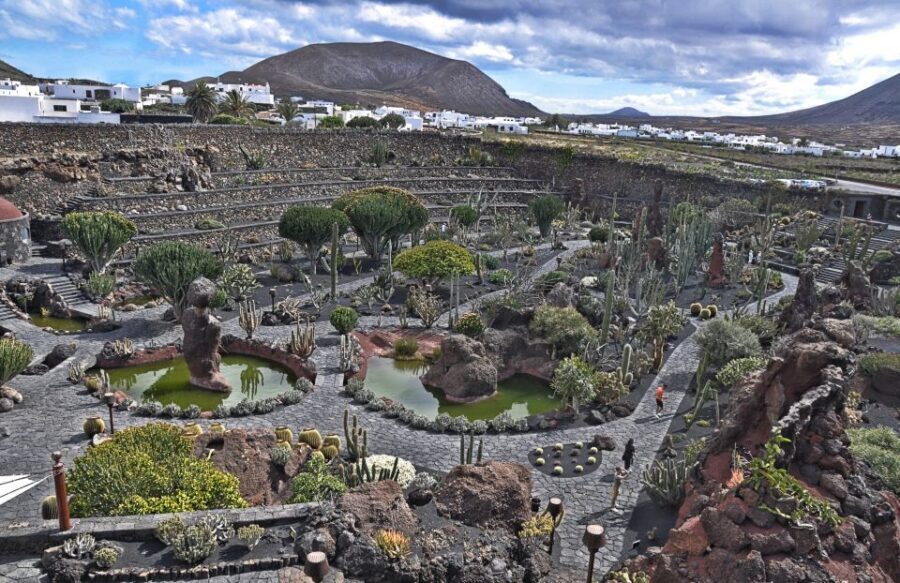
The Cactus Garden (Jardín de Cactus) is built for curiosity. You’re exploring with more than 1200 cactus species, which is a lot of variety for one place. The garden can make you feel like a beginner botanist, because you start noticing differences in shape, spines, and growth habits.
This is one stop where you need to manage your expectations about time. Some feedback points out visits can feel short. If you love details—labels, comparisons, and long looks—keep your priorities in mind before you arrive. Pick a few areas to focus on, and don’t feel rushed about trying to see everything.






The Aloe Museum: why aloe matters on Lanzarote
Right after the cactus stop, the Aloe Museum adds another layer. You learn about the benefits of aloe vera, and that gives you context for why this plant shows up in Lanzarote life and culture.
If you’re hoping for a long, slow soak of information, note that the time may be limited. Still, even in a shorter window, it helps you connect the dots: aloe isn’t just a plant you see in gardens. It has a practical role, and learning that makes the whole “plant” theme of the tour feel more real.
Teguise and the valley viewpoint: old capital plus island context
The tour includes Teguise, the old capital of Lanzarote. Expect paved streets and historical plazas, the kind of spaces where you can picture how people lived before the modern tourism boom.
I like Teguise because it gives you a baseline. After Manrique spaces, caves, and gardens, it’s easy to treat the island as a series of attractions. Teguise reminds you it’s also a living place with history and everyday life.
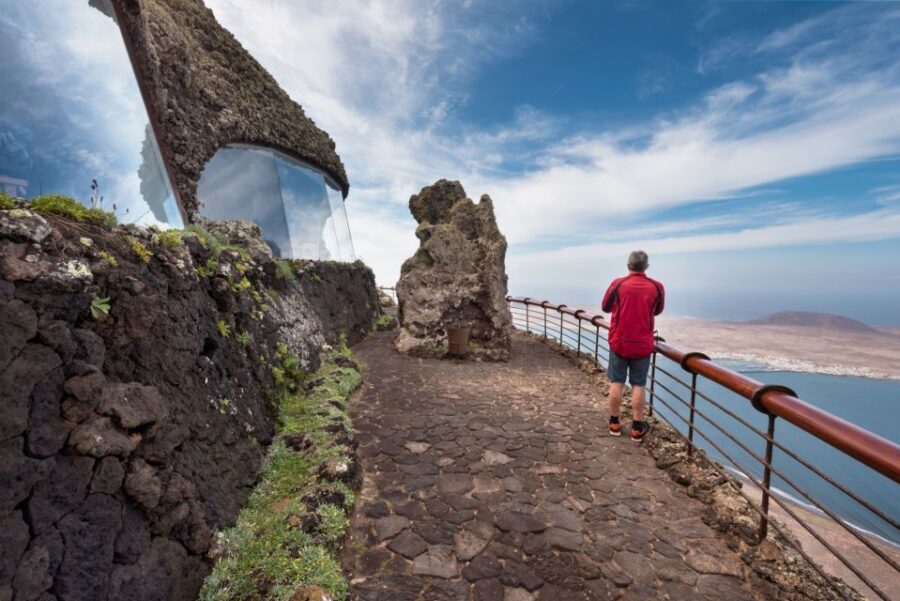
On the way toward Haría, you also get a view of El Valle de las Mil Palmeras (the valley of the thousand palm trees). This isn’t just scenic filler. It’s a reminder that Lanzarote isn’t uniform. Even within one region, you can go from volcanic dryness to sheltered green growth.
Guatiza prickly pears, cochineal dye, and Manrique’s quarry fusion
A key “wait, I didn’t know that” moment is the stop at Guatiza to see prickly pears (and learn about their role in cochineal production). Cochineal is known as a natural dye, and the tour connects that dye-making to the island’s plant ecosystem.
This part matters because it shifts the day from art appreciation to how island resources have been used. It’s not only about what looks good on camera. It’s about what the island has used to survive and create value.
Then there’s the old quarry stop, tied directly to Manrique’s approach. The idea here is straightforward: he fused nature and art so well that the surrounding stone isn’t just a backdrop. It becomes the medium.
If you like seeing how designers use real constraints—rock shape, outdoor light, harsh terrain—you’ll probably appreciate this stop more than you expect.
Price and time: is $101 good value for 8 hours?
For about 8 hours and around $101 per person, you’re paying for a structured route, an official guide, and built-in entry costs for major stops. In other words, you’re not just buying transport and hoping you’ll figure out the rest on your own.
Value comes from the package effect:
- You get tickets for Cueva de los Verdes, the Cactus Garden, and the César Manrique Foundation
- You also get the Aloe Museum stop and a lunch
- You’re traveling with an air-conditioned bus and an official guide who handles the flow
- You get skip-the-ticket-line for at least some parts, which matters when you’re only in each place briefly
Could you do some of this independently? Sure. But independent trips rarely string together Tahiche, a major cave, a cactus and aloe double-feature, and Teguise in one smooth day. If you’re short on time or you don’t want to spend your morning planning, this pricing makes sense.
What you can realistically expect from the pacing
This is a full, packed day. You’ll spend time at the major sites, but you won’t have a leisurely all-day rhythm. The structure tends to be: travel segment, guided context, then a ticketed visit where you get a set amount of time.
That’s where two practical concerns show up:
1) Language clarity can affect how much you get out of each explanation. One guide mentioned in reviews, Juan Carlos, is described as friendly and welcoming, but French was noted as difficult due to accent/clarity for some guests. If you know the guide language will matter to you, choose your tour language carefully (English, German, or French are offered).
2) Time for certain stops can feel tight. The cactus garden and aloe museum are the two places most likely to feel rushed if you want to linger.
Still, the upside is that the tour keeps moving without feeling like a checklist machine. You get enough time to see the main idea at each place, which is what you want when you’re balancing multiple regions of Lanzarote.
Comfort, logistics, and small tips that save your day
A few things you’ll want to think about before you go:
- Bring comfortable shoes. You’ll walk at multiple sites, including a cave environment.
- The bus is air-conditioned, which helps in Lanzarote’s warmer stretches.
- Pets aren’t allowed.
- Buses aren’t adapted for wheelchair users, so mobility needs to be considered up front.
Also, plan to be flexible with pickup. Your exact pickup point and time depend on where you start, and the supplier reconfirms it after booking.
And yes, lunch is included. One review mentioned the food wasn’t very tasty and suggested paella or something more traditional would’ve helped. That doesn’t mean your lunch will be bad, but it’s a useful heads-up: don’t treat lunch as the highlight of the day.
Who should book this Manrique north Lanzarote tour
This works best if you want a curated, guided day that connects art, geology, and nature in one logical loop.
You’ll likely enjoy it if:
- You’re a Manrique fan or you want to understand why his work fits Lanzarote so well
- You love variety: a cave, a cactus garden, a plant-focused museum, and an old town
- You want less planning and more seeing, with tickets and a guide handled for you
You might want to skip or adjust expectations if:
- You need long, slow time at gardens or museums (some stops can feel short)
- You’re extremely sensitive to language clarity during explanations
- You’re not comfortable with bus-based, scheduled touring rather than independent wandering
Should you book North Lanzarote: The Work of César Manrique?
If your goal is a smart, efficient north Lanzarote day that links Manrique’s ideas to the island’s volcanic reality, this is a solid pick. The value is in the combination: Tahiche, Cueva de los Verdes, cactus and aloe learning, Teguise, and the plant-based cochineal story all in one day.
I’d book it if you’re okay with a packed schedule and you’d rather see the range than spend hours perfecting one stop. If you hate rushing, consider doing one or two areas independently on a slower day.
FAQ
How long is the North Lanzarote tour?
It lasts 8 hours.
How much does the tour cost?
The price listed is $101 per person.
What are the main places you visit?
You visit the César Manrique Foundation (Tahiche), Cueva de los Verdes, the Cactus Garden, Teguise, and the Aloe Museum, plus other scenic and cultural stops in north Lanzarote.
Is lunch included?
Yes, lunch is included.
Which tickets are included in the price?
The tour includes tickets for Cueva de los Verdes, the Cactus Garden, and the César Manrique Foundation.
Does the guide speak multiple languages?
Yes. The live tour guide is available in English, German, and French.
Is the tour wheelchair accessible?
The buses are not adapted to wheelchair users.
Are pets allowed on the tour?
No, pets are not allowed.
What should I bring and wear?
Wear comfortable shoes.
FAQ
Is pickup included?
Yes, pickup is included, but it may not be exactly at your hotel. The supplier reconfirms the exact pickup point and time after booking.
Is it possible to cancel for a refund?
Yes. There is free cancellation up to 24 hours in advance for a full refund.
Can I reserve without paying right away?
Yes. There is reserve now & pay later, so you can book your spot and pay nothing today.