REVIEW · LANZAROTE
Museo Atlántico: Scuba Dive Lesson for Non-Certified Divers
Book on GetYourGuide →Operated by Dive College Lanzarote · Bookable on GetYourGuide
A new world, and it has art. This first-timer scuba lesson pairs safety training with the chance to see Jason deCaires Taylor sculptures underwater at Museo Atlántico. I especially liked how the day is built around short, teachable stages, and how the instructors keep the mood calm even when you’re learning. One thing to consider: this isn’t for everyone, and you also can’t take a flight for at least 18 hours after the program.
You’re not just getting gear and being sent overboard. You’ll get a rules-and-safety mini class, practice basics in shallow water and a pool, then head out by speedboat to the museum area for the main underwater experience. For me, that structure made the whole day feel manageable instead of rushed.
Here’s the one drawback I’d flag: if you have any health limits listed by the operator (respiratory issues, high blood pressure, pre-existing medical conditions, low fitness), this may not be the right plan.
In This Review
- Key things to know before you go
- Museo Atlántico: why this scuba lesson feels different
- Getting to the experience: Playa Blanca pickup and the speedboat ride
- Your first training session: rules, gear, and shallow water up to 6 meters
- Pool skills after the first sea time: what that practice is really for
- The museum portion: exploring Jason deCaires Taylor sculptures up to 12 meters
- Gear and certified instruction: what’s included and why it matters
- Timing, comfort, and what to pack for a 5-hour day
- Price and value: is $187 worth it for first-timers?
- Who should book this Museo Atlántico scuba lesson (and who shouldn’t)
- Should you book? My practical recommendation
- FAQ
- How deep will I go during the experience?
- Is this scuba lesson for people without certification?
- What’s included in the price?
- What should I bring?
- Are there age or health limits?
- Can I fly after the activity?
Key things to know before you go
- Step-by-step training before you go deeper, including a shallow-water session and pool practice
- Jason deCaires Taylor sculptures inside one of the few underwater museums in the world
- Speedboat transport from Playa Blanca to the museum site and back
- Certified instruction plus full gear, which matters a lot for first-timers
- Depth limits (about 6 meters first, up to 12 meters at the museum) so you know what to expect
- Short overall day (around 5 hours), with breaks and briefings worked in
Museo Atlántico: why this scuba lesson feels different
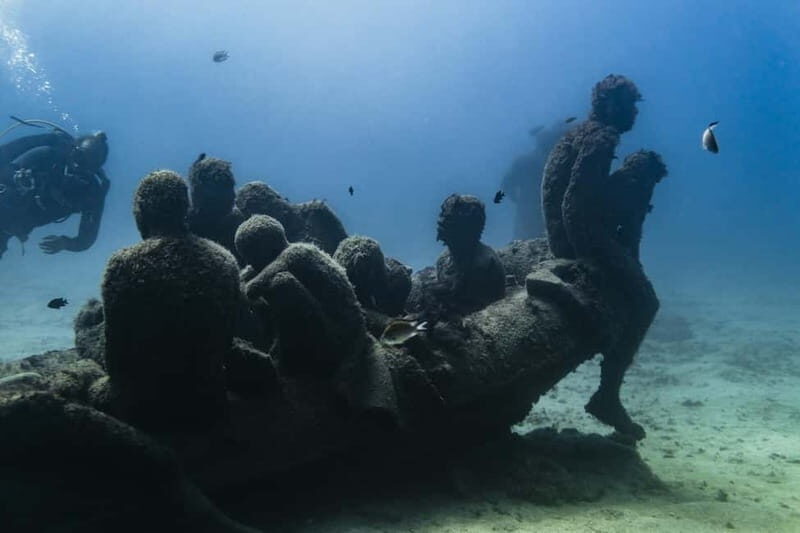
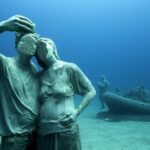
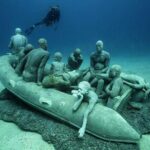
Most scuba experiences are about the water. This one is about the water and the art. The Museo Atlántico is known for underwater sculptures by Jason deCaires Taylor, and you’ll see them as part of your guided training day rather than as a separate visit.
That art layer changes the whole tone. You’re not just trying to get comfortable with breathing and buoyancy. You’re also looking at sculptures with meaning, listening as your guide explains what you’re seeing before and during the underwater time. If you like travel that mixes learning with a real “wow” moment, this setup hits.
I also like that this is designed for non-certified scuba students. The program doesn’t assume you already know how to handle equipment or how to manage basic underwater skills. Instead, it builds confidence with controlled practice.
Other Museo Atlantico diving experiences in Lanzarote
Getting to the experience: Playa Blanca pickup and the speedboat ride
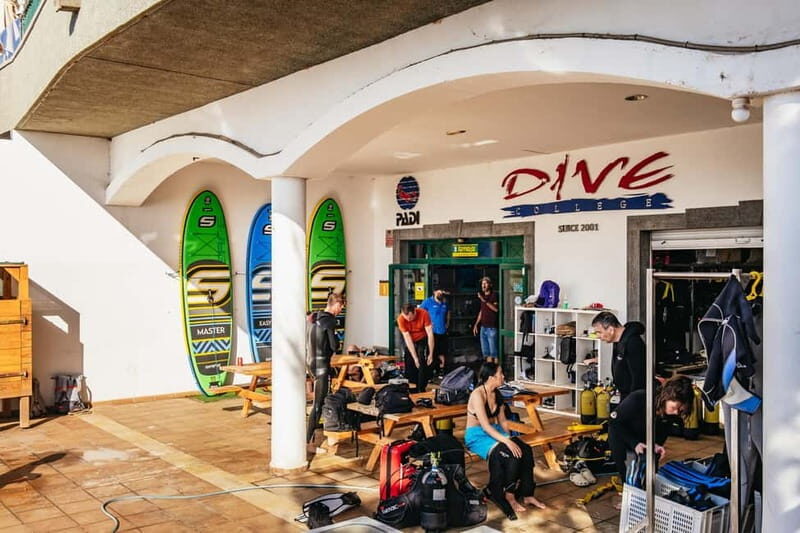
The day starts with pickup from Playa Blanca. You meet at the sea front and the program returns you back to the same meeting point at the end. This is helpful because you’re not hunting down parking or trying to coordinate your own transport while your brain is busy thinking about your first time on scuba gear.
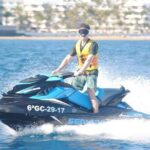
Then comes the sea transfer. After your morning training, you’ll travel to the museum site by speedboat, and you’ll do the same style of transfer back after the museum portion. The speedboat ride is short (you’re looking at a couple of segments of about 20 minutes), but it’s a real part of the experience—part transit, part anticipation.
Practical note: because you’re going back and forth between a training center and the museum, you’ll spend less time “figuring logistics out” and more time focused on the actual experience.
Your first training session: rules, gear, and shallow water up to 6 meters
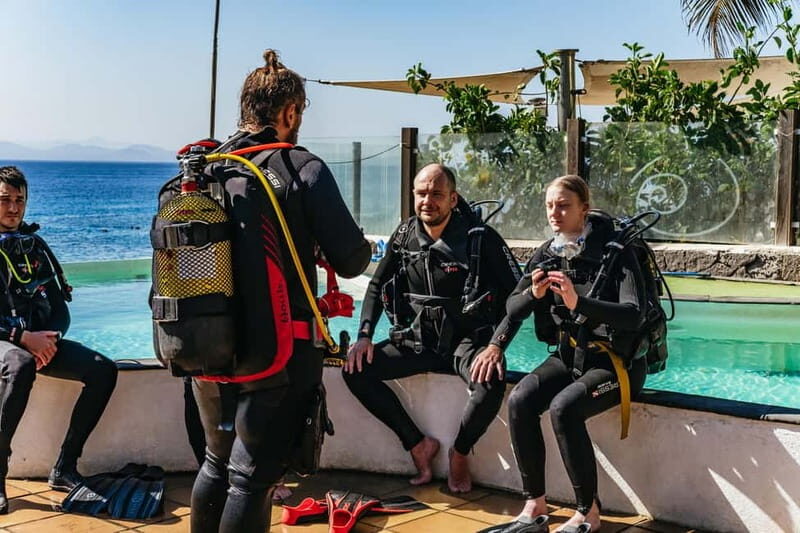
Before you ever go deeper, the operator gives you a basics-and-safety run-through. After pickup, you’ll get a lesson on the most essential rules of scuba, focused on what you need to do and what you need to remember once you’re underwater. The goal is simple: reduce guesswork.
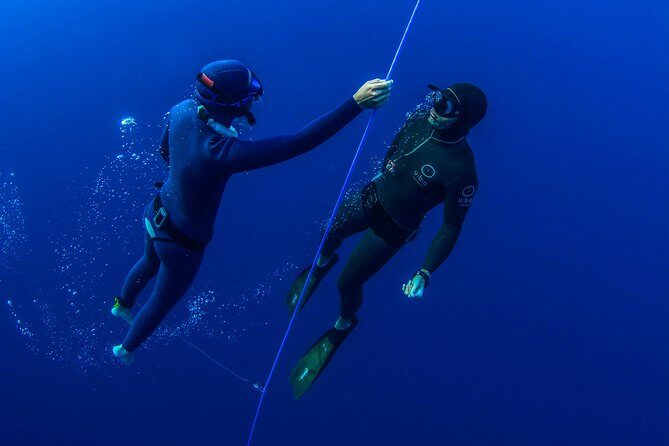
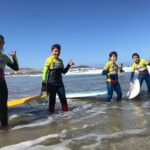
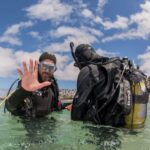
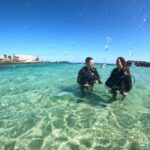
Next, you’ll get suited up with the included scuba equipment. Then you head into the sea for an initial underwater period of about 35 minutes, with a maximum depth of around 6 meters. This is the “get comfortable” window. It’s deep enough to feel like scuba, but shallow enough that the training stays manageable.
What I really appreciated is the emphasis on reassurance. One review I read mentioned the instructor Steve giving time for questions and calm encouragement during the morning training, and that matches the vibe this day is designed to create. If you’re a little nervous, that matters. A well-paced instructor can be the difference between dread and confidence.
Pool skills after the first sea time: what that practice is really for
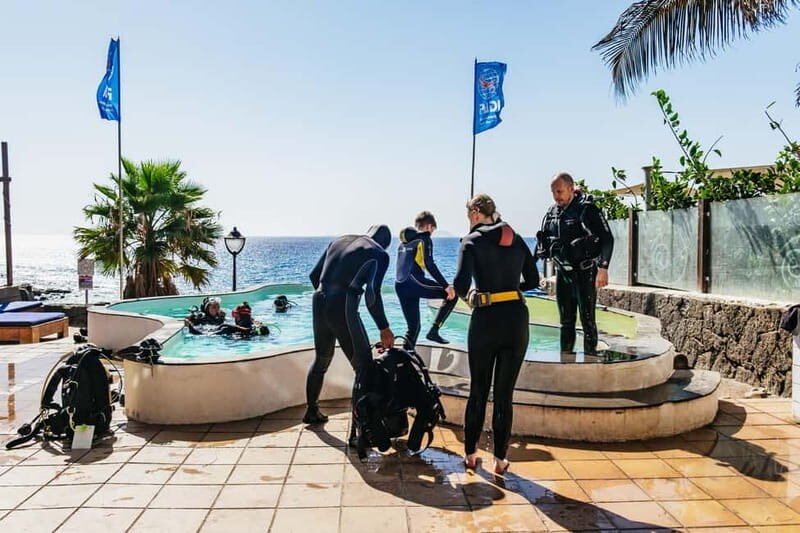
After your first sea session, you’ll do a 20-minute skills practice in a pool. This is not there to make the day longer. It’s there to reinforce the motions you’ll need later at the museum.
Think of the pool portion as where you fine-tune the basics: the kinds of movements and control skills that help you move more smoothly underwater. You’re not expected to become an advanced diver in an afternoon. You’re expected to learn enough to feel safe and in control.
This step is one reason I like this program format for first-timers. Going straight from land to a museum depth can feel like a leap. Practicing in a controlled setting makes the later part feel like the next step, not a surprise.
The museum portion: exploring Jason deCaires Taylor sculptures up to 12 meters
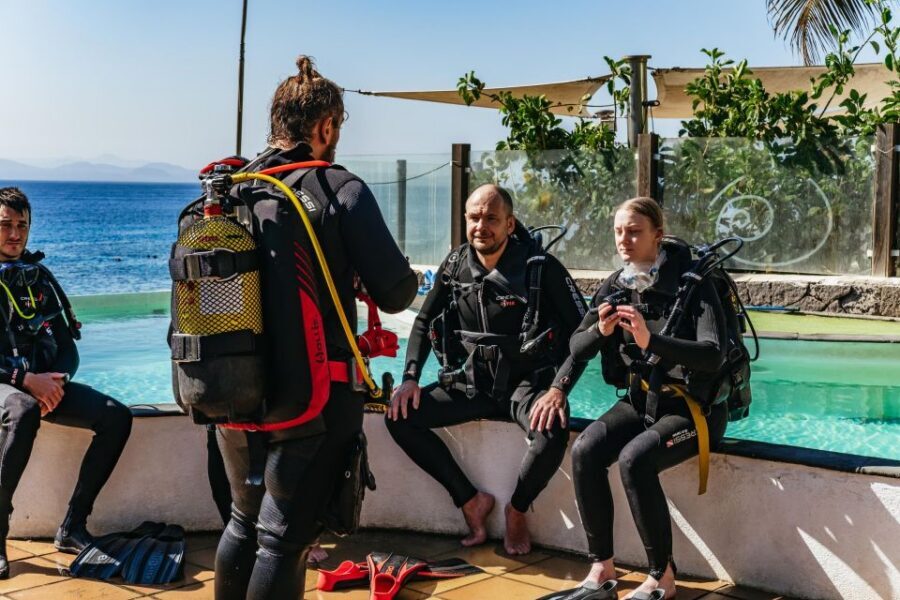
After the morning training and pool session, you head to the Museo Atlántico area by speedboat. The program then shifts from learning to doing: you’ll start the main underwater experience at the museum site with guided instruction.
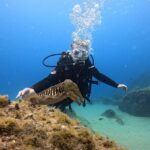
During this part, you’ll reach a maximum depth of about 12 meters. The underwater time here is shorter than the lesson portion, roughly 40 minutes, but the focus is different. You’re spending that time looking at the sculptures and experiencing the underwater art museum as intended.
Before you go in, you’ll hear about the meaning behind the artworks you’ll see. That’s a big deal. Underwater, everything feels slower and slightly strange, so context helps you actually connect with what you’re seeing rather than just thinking, I hope I’m doing this right.
Also, notice the pacing: the day keeps the underwater time in sections and keeps training nearby. That’s what makes it work for non-certified students. You’re not thrown into the deep end with no transition.
Other scuba diving tours in Lanzarote
Gear and certified instruction: what’s included and why it matters
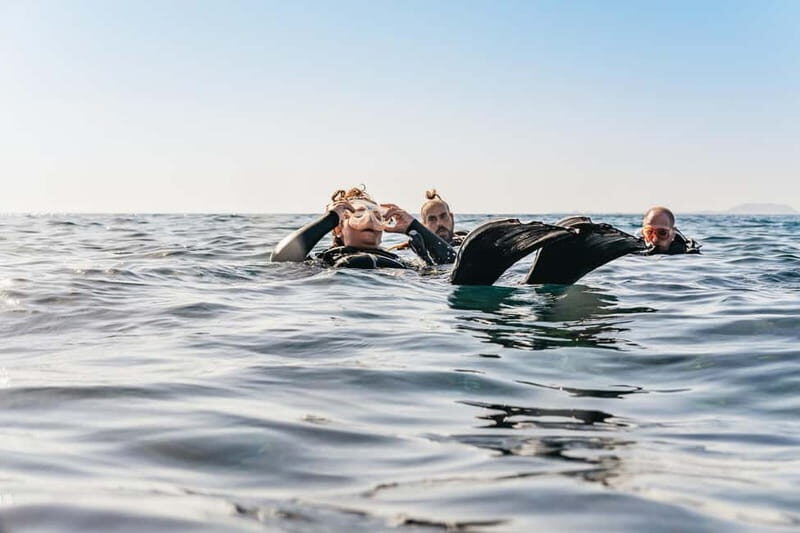
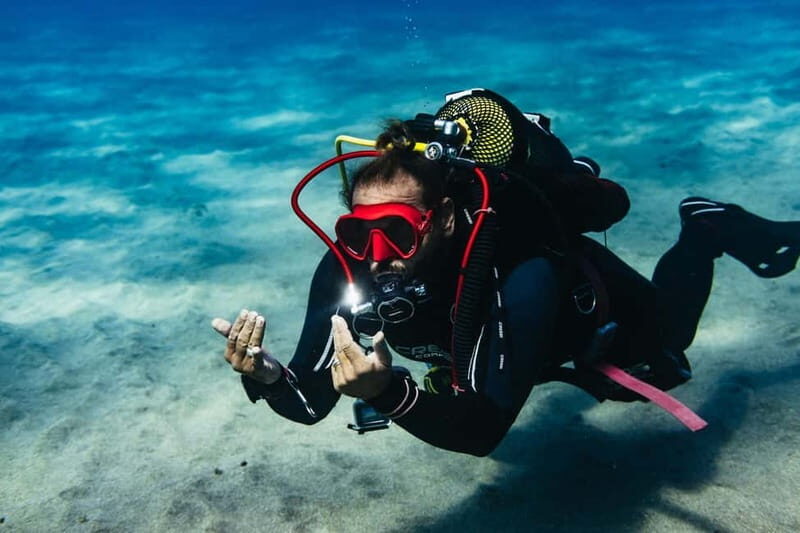
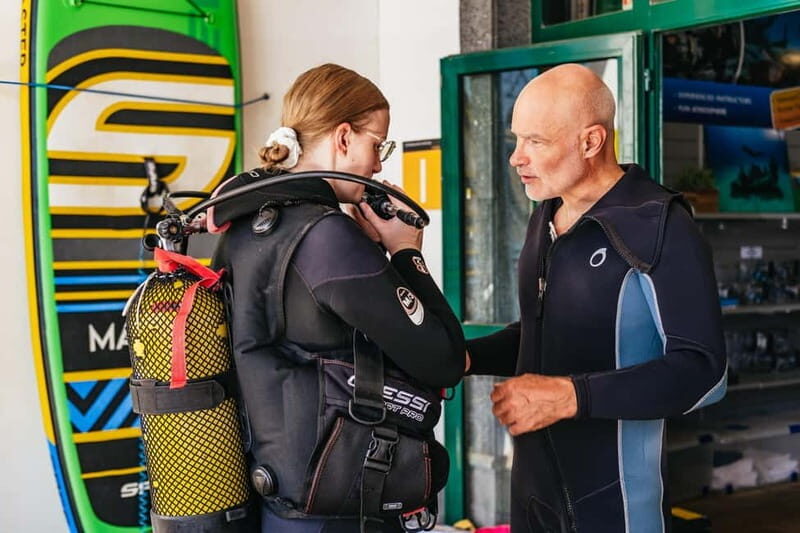
The big practical win is that the tour includes all diving equipment and uses a certified instructor throughout the experience. For first-timers, that reduces two common stress points: matching gear to your body and trying to learn equipment basics on the spot.
You also get multiple safety briefings built into the schedule. The day isn’t one long lecture; it’s briefings paired with immediate practice. That rhythm helps your brain store the information because you’re using it right away.
One more detail I’d underline: the instructors’ language options include English, plus Dutch, Italian, French, German, and Spanish. If English is your comfort zone, this is a good sign that you can ask questions without feeling like you’re guessing.
Timing, comfort, and what to pack for a 5-hour day
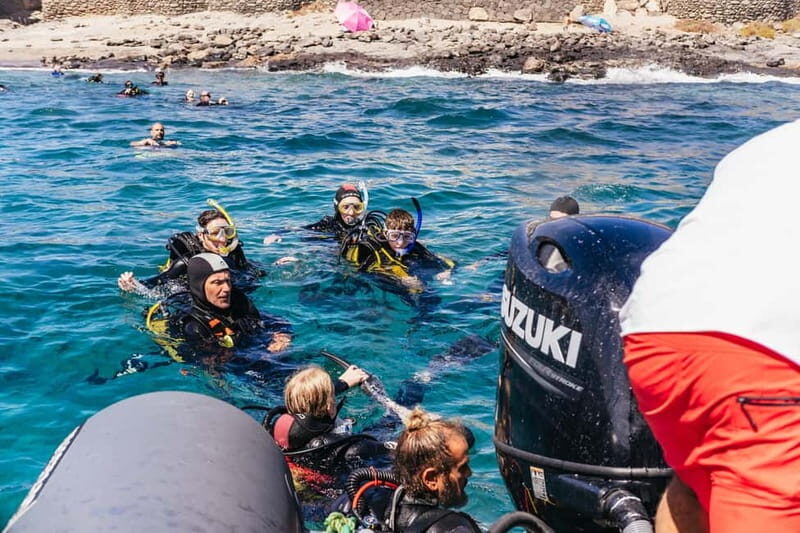
This is a 5-hour experience overall. Exact start times vary, so check availability for the departure you want. The day also includes breaks, safety briefings, and the museum visit sequence, so you’ll have time between the key moments rather than a constant rush from one task to the next.
What to bring is simple: swimwear. Because food and drinks are not included, you may want to plan ahead for something small before you arrive (or bring water if allowed by your provider’s rules). At minimum, be ready for a day where you’re not relying on the operator to feed you.
Comfort-wise, you’ll be changing and gearing up, and you’ll be in and out of the water across different stages. So wear gear-friendly clothing before pickup and bring a plan for drying off afterward. You might not control the timing of that too much, but you can control how prepared you are.
Finally, there’s an important medical/travel scheduling rule: after this program, you cannot take a flight for a minimum of 18 hours. If your itinerary includes same-day or next-day flying, build in extra margin.
Price and value: is $187 worth it for first-timers?
At $187 per person, you’re paying for more than a ticket to an underwater site. This price covers a bundle of things that normally add up fast on your own:
- Pickup and drop-off from Playa Blanca
- Speedboat transfers to and from the museum site
- A certified instructor and structured training time
- Included scuba equipment for both the training and the museum portion
For first-timers, the instructor-led structure is often where the value really shows. You’re not spending the day renting random gear and guessing how to use it. You’re learning in staged conditions: shallow water up to about 6 meters, pool practice, and then the museum exploration up to 12 meters.
Is it “cheap”? No. But it’s the kind of experience where value comes from safety, guidance, and transportation being handled for you. If you want the underwater art experience without turning your morning into a logistics project, that’s what you’re paying for.
Who should book this Museo Atlántico scuba lesson (and who shouldn’t)
This experience is for non-certified scuba students who want an underwater art museum experience with real training and real supervision. If you’re curious about underwater sculptures, enjoy hands-on learning, and you’re comfortable following instructions, it’s a strong fit.
It may be a tough match if you fall into the operator’s listed limits. The program is not suitable for:
- Children under 12
- Pregnant women
- Wheelchair users
- People with respiratory issues
- People with pre-existing medical conditions
- People with high blood pressure
- People with low level of fitness
Also, if you’re the type who panics at the thought of pressure changes or complex equipment, take that seriously. The training helps, but you still need to be able to participate safely.
If you want to see the underwater museum but you’re not sure about your fitness or medical situation, consider talking to your healthcare provider first. And if you’re uncertain about whether your body can handle this kind of activity, don’t gamble.
Should you book? My practical recommendation
Book it if you want guided, first-timer-friendly scuba tied directly to the Museo Atlántico sculptures. The value is in the structure: rules lesson, shallow-water practice, pool skills, then the museum experience with an instructor explaining what you’re seeing.
Don’t book it if you can’t commit to the 18-hour no-flight window after the program, or if you know you fall into one of the listed unsuitability categories. In those cases, there’s no “just tough it out” version of this.
If you’re on Lanzarote and you want one experience that mixes art, safety-focused instruction, and a genuinely memorable underwater setting, this is a smart choice—especially if you’d rather learn the basics with guidance than try to wing it.
FAQ
How deep will I go during the experience?
You’ll have a first sea session with a maximum depth of about 6 meters, and later at the museum you can reach a maximum depth of about 12 meters.
Is this scuba lesson for people without certification?
Yes. The program is designed for non-certified scuba students and includes instruction and practice before the museum portion.
What’s included in the price?
Pickup and drop-off from Playa Blanca, speedboat transfer to and from the museum site, a certified instructor, and all scuba equipment.
What should I bring?
Bring swimwear.
Are there age or health limits?
Yes. It’s not suitable for children under 12, pregnant women, wheelchair users, people with respiratory issues, people with pre-existing medical conditions, people with high blood pressure, or people with low fitness.
Can I fly after the activity?
No. You can’t take a flight for a minimum of 18 hours after the program.
If you want, tell me your travel dates and whether you’re comfortable with the idea of going underwater for the first time, and I’ll help you decide if the timing and format match your comfort level.