REVIEW · LANZAROTE
3-Hour Walking Tour in Los Volcanes Nature Reserve
Book on Viator →Operated by VIMOTIONS · Bookable on Viator
Lava country gets personal on foot. This Los Volcanes walk is a guided, small-group hike where you’ll learn how the island’s eruptions (notably 1730–36 and 1824) shaped the lava flows and volcanic features around you, with guides like Marcelo and Mano bringing the geology to life.
I love that the tour is built for real outdoors time—hands-on explanations while you’re still surrounded by rough volcanic ground—so it feels more like studying the park than just passing through it.
One thing to plan for: the walking is easy on paper, but the uneven volcanic rock and possible wind can make it feel longer, especially if your guide is doing extra explanation time in multiple languages.
In This Review
- Key Things to Know Before You Go
- Los Volcanes vs Timanfaya: A Close-Up Volcano Walk You Can Actually Do
- Parque Natural de Los Volcanes: What You’ll See on the Way
- The 7 km Walk: Low Difficulty, Real-World Rough Ground
- Guides Who Make the Rocks Click (Marcelo, Mano, Maria, Giacomo)
- Timing and Meeting Point: Don’t Be Late to Montaña Testeina
- Price and Value: Why $61.27 Makes Sense for This Type of Hike
- What to Bring: Shoes, Water, Sun, and the Simple Stuff
- Who This Los Volcanes Hike Fits Best
- Should You Book This Los Volcanes Walking Tour?
- FAQ
- How long is the Los Volcanes walking tour?
- How far do you walk?
- Is the hike really easy?
- Does the tour include pickup from my hotel?
- What’s included in the price?
- What time and where does the tour start?
- What’s the cancellation policy?
Key Things to Know Before You Go
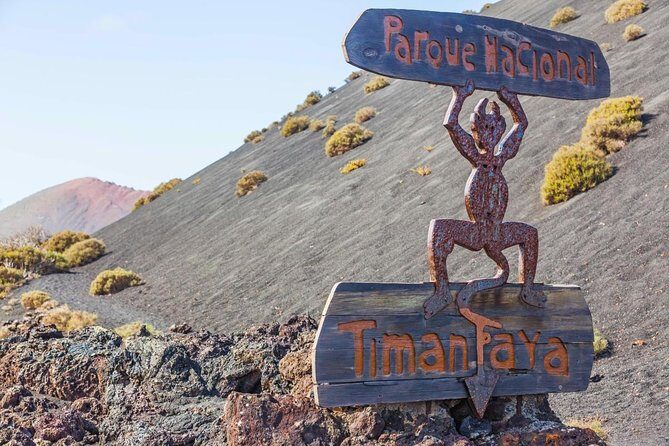
- A true 7 km hike: about 3 hours in motion, with regular stops to look closely at volcano features.
- Los Volcanes Natural Park is the star: lava structures are well preserved thanks to Lanzarote’s arid climate and slow plant growth.
- Pickup from select areas: Costa Teguise, Arrecife, Puerto del Carmen, and Puerto Calero. (Not Playa Blanca.)
- Poles and a snack are included: trekking poles plus a cereal bar and fruit—water is on you.
- Sturdy shoes matter: you’ll want trainers or hiking boots with good grip over rough, volcanic surfaces.
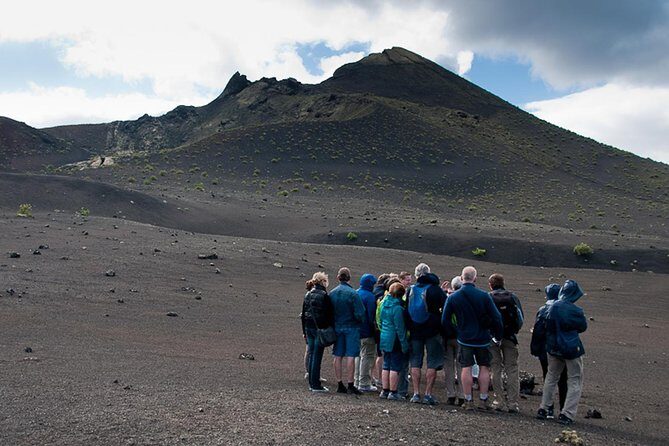
- Small group size: max 15 people, so questions don’t get lost in the shuffle.
Los Volcanes vs Timanfaya: A Close-Up Volcano Walk You Can Actually Do
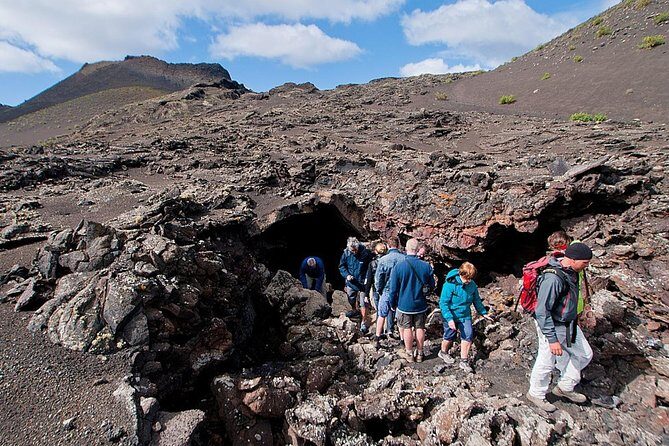
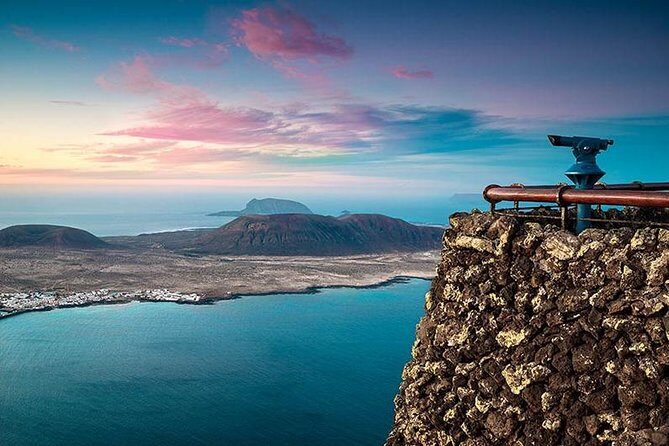
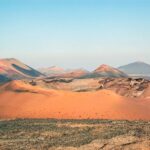
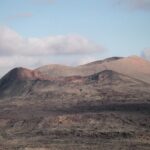
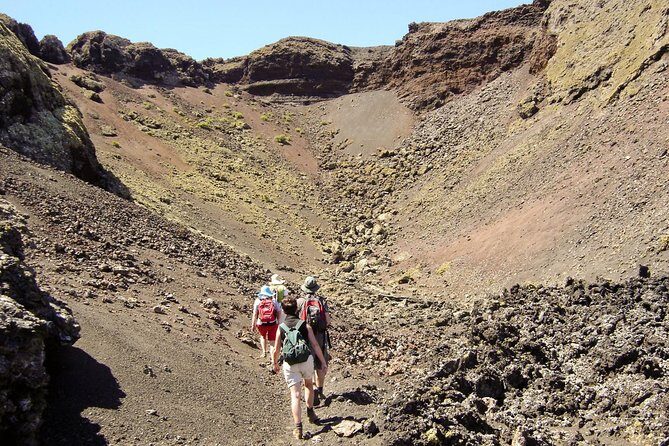
This tour takes you into Parque Natural de Los Volcanes, a protected area where the ground is still very much “volcano country.” The park sits in the zone of more recent eruptions, including the big periods 1730–36 and 1824, and the terrain shows it—lava flows, volcanic cones, and craters you can stand near and study as you walk.
What makes it special is that your guide doesn’t treat the hike like a stroll with facts tossed in. Instead, you get a guided route where you pause to connect what you see (lava textures, volcanic rock forms, crater edges) with what it means. I like that feel: you’re moving through the evidence, not just looking at it from a distance.
It’s also a smart pick if you want to see more than the usual “bus + viewpoint” Lanzarote routine. In the reviews, I saw people describe it as one of the best ways to get away from the most crowded areas and get close to the volcanic ground without needing special gear beyond the shoes on your feet.
Other volcano tours we've reviewed in Lanzarote

Parque Natural de Los Volcanes: What You’ll See on the Way
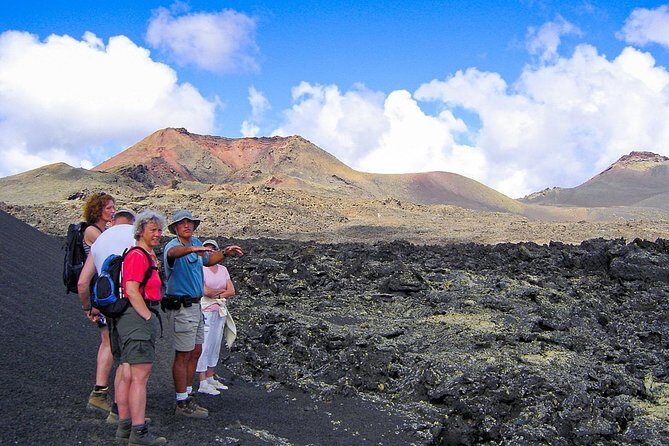
The walking route is all centered on the park. Your main focus is learning how volcanoes built the islands—and how life slowly returns after lava hardens.
As you hike, you should expect to cover terrain where you can spot:
- Volcanic cones and craters: places where eruptions vented and where the rock shapes are easier to understand once you’ve been shown what to look for.
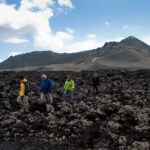
- Lava flows: the ground has a “movement” feeling if you pay attention to its patterns and textures.
- Lava tunnels and lava lakes (as features to look for): not everything is always accessible on foot, but guides point out the forms you can see and explain what they imply.
A big theme in the explanation is why this place looks the way it does today. Lanzarote’s arid conditions slow plant growth, so volcanic structures stay clearer for longer—almost like an outdoor study room for volcanology. You’ll get context that links geology to the island’s history, including how these eruptions had consequences for agriculture and the way people live with volcanic ground.
If you’re into details, some guides go beyond the basics and point out things like fumaroles (places associated with volcanic gases/heat) and even specific types of volcanic materials described with crystal examples. If that’s your style, bring your curiosity—you’ll get chances to ask questions during the many stops.
The 7 km Walk: Low Difficulty, Real-World Rough Ground
The tour is advertised as low difficulty and around 7 kilometers total, but let’s be honest: volcanic surfaces aren’t like paved trails.
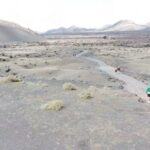
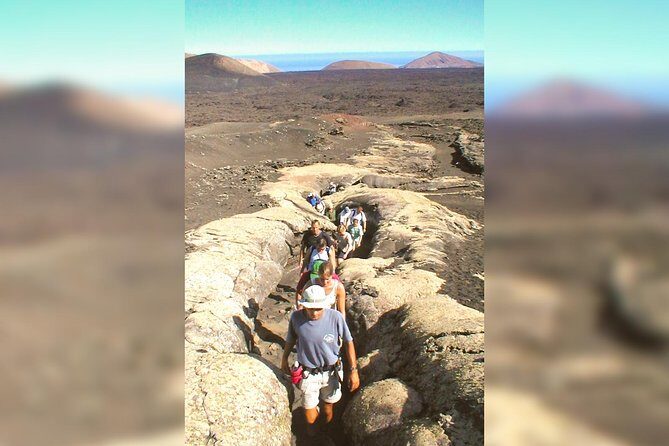
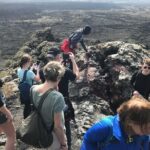
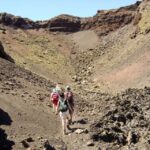
You’ll walk over rough, uneven ground. Several people highlighted that parts of the route can change underfoot—think everything from finer gravel/sand areas to larger pyroclastic pieces. That means your legs work a bit more than you’d expect if you’re used to smooth hiking paths.
You should also expect:
- Regular stops: the guide pauses often so you can look closely and learn.
- Inclines in places: some sections go up and down rather than staying perfectly flat.
- Wind factor: the more exposed you feel, the more you’ll notice it. One person said the hike felt longer on a windy day.
Because of that, I recommend planning your day as if it might be closer to 3–4 hours outdoors, even though the tour length is listed as about 3 hours. If you have a hard appointment right after, build in cushion.
The route uses laced shoes—trainers or hiking boots. You’ll be better off with grip than with comfort-only sneakers.
Guides Who Make the Rocks Click (Marcelo, Mano, Maria, Giacomo)
A lot of the value here is the guide. This is the kind of hike where the difference between a passable experience and a memorable one is whether someone can connect the ground beneath you to the science above it.
In the guides’ names people mentioned—Marcelo, Mano, Maria, Giacomo, Laurent, and Marcello—you can see a consistent pattern: guides explain the island like it’s readable. They talk about how volcanic debris forms the terrain you’re walking across, how different eruption styles leave different clues, and how plants eventually start to come back.
One reason people rate the tour so highly is that the guide isn’t just pointing. They’re answering questions. Small group size helps a lot here (max 15), so you’re not stuck listening only.
One balanced note: if your guide covers multiple languages during the explanation, the pacing can feel slower. That doesn’t necessarily mean the info is weaker—it just means you’re on the move a bit longer than someone expecting a quick 3-hour outing.
Timing and Meeting Point: Don’t Be Late to Montaña Testeina
Your start point is at Montaña Testeina, Lanzarote, with instructions pointing you to Parking Testeina LZ-30 around late morning pre-departure (the info lists 09:55). The tour start time is listed as 9:00am, so the key move is simple: follow the exact time shown in your confirmation message.
If you’re using pickup, transfers are offered from Costa Teguise, Arrecife, Puerto del Carmen, and Puerto Calero. Pickup isn’t offered from Playa Blanca, so plan transportation accordingly if you’re staying there.
Also remember: this is near public transportation, but the easiest approach depends on where your hotel sits. If you’re unsure, confirm whether your hotel area is within the pickup list before you rely on it.
Other volcano hikes and treks in Lanzarote
Price and Value: Why $61.27 Makes Sense for This Type of Hike
At $61.27 per person, you’re paying for more than a guide walking route. Your included basics make a real difference on a small island hike:
- Expert guide
- Trekking pole
- Transfer service from multiple major Lanzarote areas
- A snack (cereal bar + fruit)
- Admission ticket free
And crucially, you’re not paying to access a trendy viewpoint. You’re paying to get access to a guided route through a protected volcanic area where self-guided understanding is much harder. That’s what turns it into value.
It also helps that the group cap is 15, which usually means a better pace and more chances to ask questions.
If you were to arrange a guide, transportation, and a bunch of gear yourself, the total cost often rises quickly. Here, much of that is bundled, so you can spend more energy on the hike itself.
What to Bring: Shoes, Water, Sun, and the Simple Stuff
Even with a provided snack and poles, you should come prepared.
Bring:
- Your own water bottle. Bottled water isn’t included, and the recommendation is explicit: bring your own.
- Good grip shoes: trainers or hiking boots.
- Sun protection: Lanzarote sun can be serious, and several people mentioned sunscreen.
- A bit of weather readiness: the tour requires good weather, so you might need a light layer if it’s breezy.
Sensible tip: if you tend to get warm quickly, set yourself up for it with breathable clothing and proper sun gear. If you tend to get cold when it’s windy, bring something light for the exposed sections.
Who This Los Volcanes Hike Fits Best
This hike is best for people who want:
- A guided geology-focused walk where you stop to learn.
- A manageable distance (about 7 km) without technical scrambling.
- Time outdoors in a volcanic setting where the ground itself teaches the lesson.
You’ll likely enjoy it even if you’re not an experienced hiker, as long as you have a reasonable fitness level and can handle uneven rock. Many people described it as easy to enjoy, but still “real walking.”
You might want to skip it (or choose a gentler option) if:
- you dislike rocky footing and loose shale type surfaces,
- you have a very strict time window the same day, or
- you hate pauses—because this route is stop-and-learn, stop-and-look.
Should You Book This Los Volcanes Walking Tour?
Yes—if you want a small-group, guided walk that actually explains Lanzarote’s volcanic origins while you’re walking among the evidence. The included poles and transfers reduce hassle, and the park setting makes it feel like you’re learning something specific, not just taking photos.
Book it with realistic expectations about pacing. Even though it’s listed as about 3 hours, conditions like wind and the style of explanation can stretch the feel of the day. If you bring solid shoes, water, and a curious mindset, this is a strong way to experience Los Volcanes without needing to figure it all out alone.
FAQ
How long is the Los Volcanes walking tour?
The hike is scheduled for about 3 hours.
How far do you walk?
The route is about 7 kilometers.
Is the hike really easy?
It’s considered low difficulty, but it does involve uneven volcanic rocks and rough ground, so good footwear and moderate fitness help.
Does the tour include pickup from my hotel?
Pickup is offered from Costa Teguise, Arrecife, Puerto del Carmen, and Puerto Calero. Pickup is not listed for Playa Blanca.
What’s included in the price?
The tour includes an expert guide, trekking pole, transfer service (from the listed areas), and a snack (cereal bar and fruit). Admission is free. Bottled water is not included.
What time and where does the tour start?
It lists a 9:00am start. The meeting instructions also specify Parking Testeina LZ-30 at 09:55, so double-check the exact time in your confirmation.
What’s the cancellation policy?
You can cancel for a full refund up to 24 hours before the experience’s start time. If it’s canceled due to poor weather, you’ll be offered another date or a full refund.