REVIEW · LANZAROTE
Lanzarote: Volcano Hike
Book on GetYourGuide →Operated by Canary Trekking · Bookable on GetYourGuide
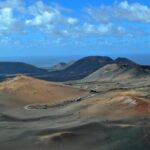
Lanzarote volcano hikes feel like moon-walking. In Volcanoes Natural Park, I love the moonscape calderas and craters, and I love the guided 8 km geology route that explains how lava fields slowly come back to life. The main drawback: it is not for wheelchair users or kids under 7, and the loose volcanic ground really rewards proper shoes.
Expect a 3 hours hike that covers about 8 km, starting at Camino Testeina near Montaña Testeina on LZ 30, with parking on a dirt road. If you pick up the optional transport, mornings can run roughly 9:00am to 9:40am depending on your hotel, so plan to bring water, sunglasses, and a windbreaker even when the forecast looks calm.
In This Review
- Key things to know before you go
- Lanzarote Volcano Hike 101: what you’re walking through
- Meeting at Camino Testeina and getting into the park
- Walking the lava trail: pace, footing, and weather reality
- Calderas, cones, and crater moments that make the effort worth it
- The guided part: why Famara and Marcelo impressions get mentioned
- Price and value: what you’re paying for at $48 per person
- What to pack: your volcano kit for comfort and safety
- Who should book this Lanzarote volcano hike (and who should skip)
- Should you book the Volcano Hike in Lanzarote?
- FAQ
- How long is the Lanzarote Volcano Hike?
- About how far do you walk?
- Is pickup and drop-off included?
- Where is the meeting point?
- What languages are the guided tours offered in?
- Is this hike suitable for children?
- Is it wheelchair accessible?
- What should I bring?
- Is there free cancellation?
- Can I reserve without paying right away?
Key things to know before you go
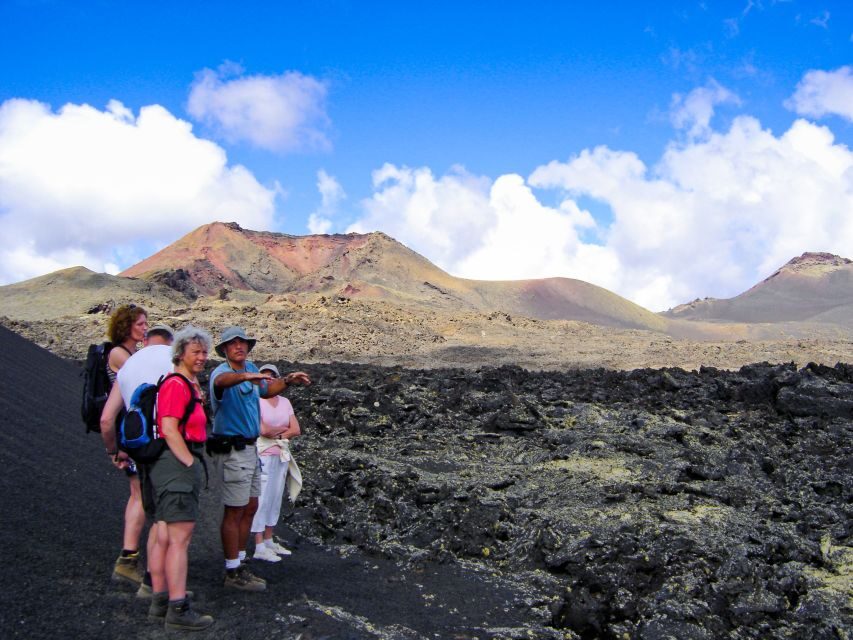
- Volcanoes Natural Park, tied to eruptions (1730–36 and 1824), gives you real context for what you’re walking over
- A guided ~8 km route with calderas, craters, and remnants like lava-tunnel areas
- Small-group feel with language-based groups, so you’re not lost in a crowd
- A break and snack stop (banana and cereal bar show up on the route)
- Crater time is a highlight, with guides making the effort feel worth it
Lanzarote Volcano Hike 101: what you’re walking through
This is a guided walk inside Volcanoes Natural Park, in central-south Lanzarote. You’ll move across a protected area shaped by recent and historical volcanism—especially eruptions from 1730–36 and 1824. That matters, because you’re not just seeing rocks. You’re seeing the physical record of how volcanic activity built parts of the island.
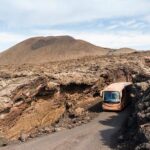
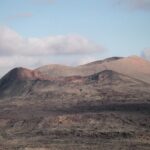
What I like most is how the route is built around geology you can actually follow at walking speed. You cross lava flows, and you may also ascend to volcanic cones where the scenery includes craters and other features such as lava-tunnel remains or lava-lake areas. It’s the kind of place where the “wow” moments come in layers: first the terrain, then what it means, then how life slowly returns where fire once ruled.
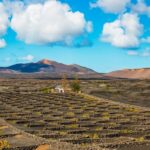
Lanzarote’s arid climate is part of the magic. Vegetation changes slowly, so the volcanic forms stay pretty well preserved. Translation: you get an open-air lesson without constant “modern” clutter. It feels like an island classroom built out of rock.
Other volcano tours we've reviewed in Lanzarote

Meeting at Camino Testeina and getting into the park
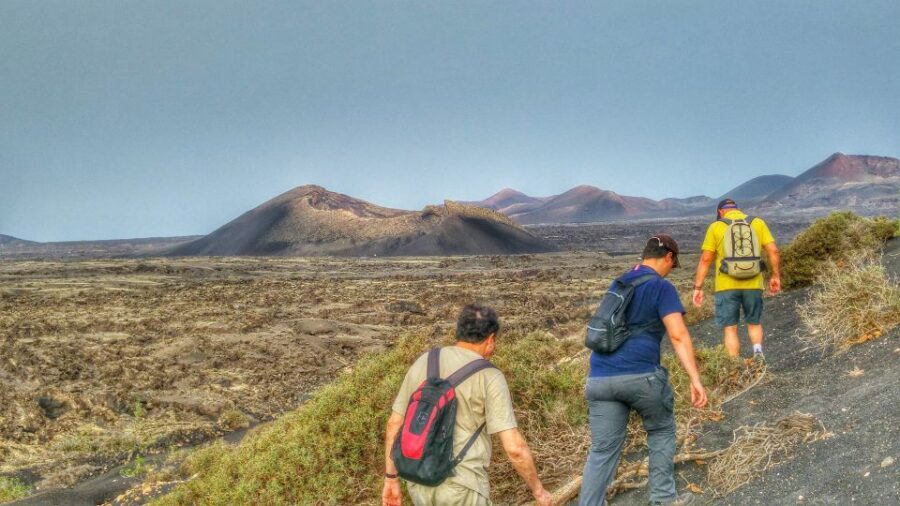
Your meeting point is Camino Testeina (near Montaña Testeina), on the side of the main road LZ 30. The practical detail that helps: it’s a dirt road entrance, and there’s space to park a car after you enter a few meters.
If you choose pickup, your start window is typically late morning-morning—around 9:00am to 9:40am, depending on where your hotel is. Since that timing can shift, I’d avoid banking on another plan right before the pickup. You’ll want to show up with enough time to settle in, use the restroom if you can, and get ready for sun and wind.
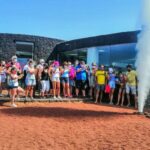
Once you’re there, you’ll typically get sorted by language. That keeps the experience smoother. It also means the guide can actually pace explanations to the group you’re with, rather than doing everything at once in a mix.
Walking the lava trail: pace, footing, and weather reality
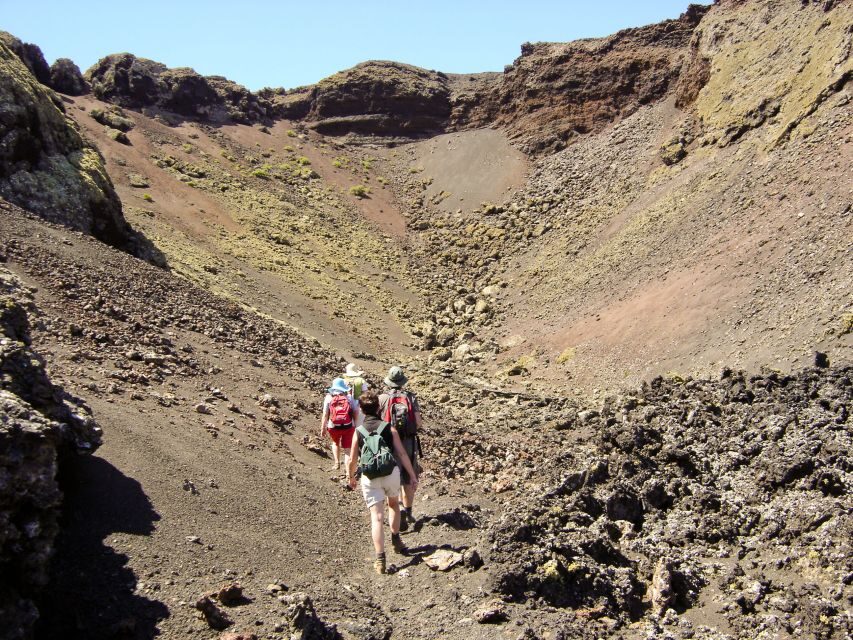
The hike is listed at about 8 km and lasts around 3 hours, but the real-world feeling is closer to a moderate walk, not a gentle stroll. Some people note closer to 9 km or even a bit more depending on how the route is handled that day.
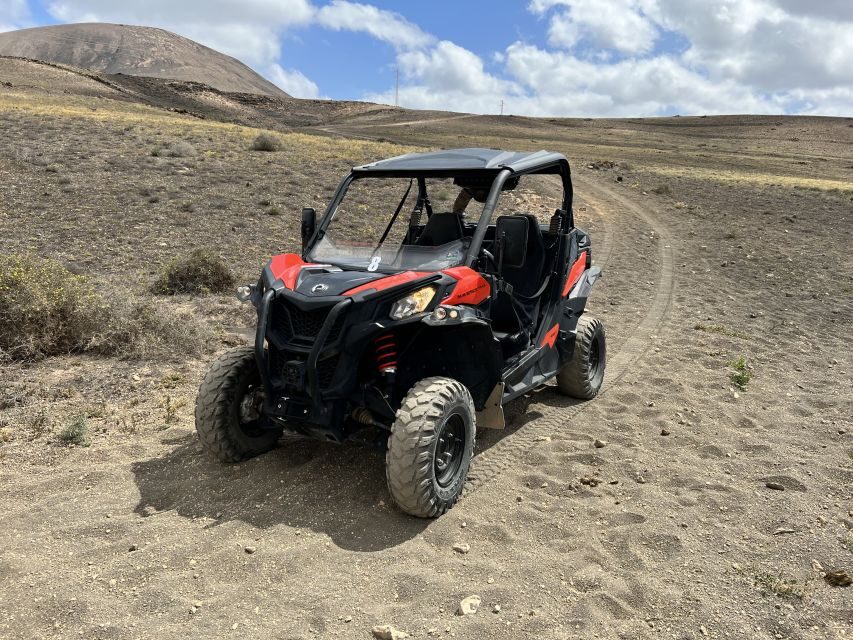
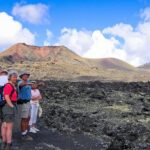
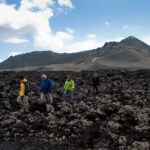
The terrain is volcanic, so expect loose surfaces in places. Reviews also mention that the walk can be mostly flat, but loose bits can still slow you down and make footwork matter—especially when you hit more rocky stretches. If you wear trainers, you might find yourself stopping to deal with stones in the shoes. If that sounds annoying, it is. Proper closed-toe hiking shoes help a lot.
Weather is another key piece. Lanzarote can be windy, and one guide-led hike still worked well even with rain, which tells you the route isn’t a fair-weather only fantasy. Windbreaker in your daypack isn’t overkill—it’s a small price to pay for comfort.
A good rule: treat this as a “show up ready” hike. You don’t need climbing gear, but you do need footwear that can handle rocky, uneven ground and a mindset that the wind might make you work harder than you expect.
Calderas, cones, and crater moments that make the effort worth it
The most memorable part of this hike is getting up close to volcanic structures you normally only see from far away. You’ll hear about calderas and craters while you’re walking through the terrain that formed them—so the explanations land faster.
A recurring highlight is the chance to spend time at a crater and understand what you’re looking at. One reviewer specifically calls out that being able to go into a crater made the top worth the effort. That tracks with how the route is described: you’re not just passing viewpoints. There’s a real “arrival moment” when the guide helps you connect the feature to what volcanoes do over time.
You may also encounter other remnants like lava-tunnel areas or lava-lake-related features. The key benefit here isn’t trying to memorize names. It’s learning how these structures relate to eruption patterns and the island’s timeline. In a place like this, details give you a sense of scale—how big volcanic processes are, and how slow the world can be at rebuilding after destruction.
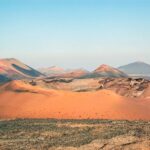
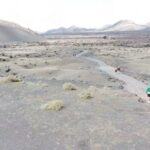
And yes, there’s a “Mars” effect—moonscape views, open sky, and rock in every direction. But the value is that your guide helps you translate that scenery into history and process, not just photos.
The guided part: why Famara and Marcelo impressions get mentioned
The guide makes or breaks this kind of experience, and here you can see that clearly in the feedback. People name Famara (including Famara Espino) and Marcelo as especially strong guides. The consistent theme: clear explanations that connect island history to the volcanic features you’re walking through.
You’ll get route storytelling in English, French, or Spanish (live guide). Some guides manage multiple languages on the same walk, and a few reviews mention guides speaking fluently across languages, which helps if your group is mixed or if you’re comparing explanations afterward.
The “feel” of the guiding style also comes through. One description likens the guide to an adventurer vibe—Indiana Jones meets Lara Croft—while still keeping everything grounded in real content. That mix matters. You want energy, but you also want accuracy. This tour’s best moments are when the guide slows down, points out what to watch for, and explains why it looks the way it does.
If you care about understanding Lanzarote beyond beaches and souvenirs, this is where the hike becomes more than exercise. You walk away with a mental map of how volcanic activity shaped what you see today—and why the island looks the way it does.
Other volcano hikes and treks in Lanzarote
Price and value: what you’re paying for at $48 per person
At about $48 per person, the value is best understood as a tradeoff: you’re paying for a guided walk in a protected volcanic park where interpretation matters.
You get:
- A guided hike (not just a map)
- Optional pickup and drop-off, plus transportation if you select it
- A route built around ~8 km of terrain you’d still have to navigate on your own
Could you DIY a walk in Lanzarote’s volcanic areas? Sure, but you’ll miss the “why” behind what you’re seeing. This price buys you that context plus the practical reality of having someone manage the pacing and keep the group together.
Duration is also part of the bargain. Three hours is long enough to feel like you did something real, but short enough that you’re not stuck all day in desert wind. When the hike includes a snack break and crater-focused moments, the experience justifies the cost for a lot of visitors who want “one standout activity” during a short stay.
What to pack: your volcano kit for comfort and safety
This hike is simple, but it’s not a dress rehearsal for your sneakers. Use the kit list as your baseline and adjust based on the season.
Bring:
- Comfortable closed-toe shoes
- A windbreaker
- Sunglasses and a sun hat
- Sunscreen
- Camera (there’s plenty to photograph)
- Water
If you tend to wear trainers, it’s worth knowing loose stones can work their way in, and you might need to stop occasionally to clear them. Sturdy footwear makes the hike smoother and helps you focus on the guide’s explanation instead of your ankles.
Also, don’t underestimate sun. Even when the air feels cooler, the visibility and reflection in volcanic areas can make you feel the burn faster than you expect.
Who should book this Lanzarote volcano hike (and who should skip)
This tour is a strong fit if you want:
- A guided introduction to Lanzarote’s volcanic features
- A moderate 8 km walk with a clear theme (lava, craters, and how life returns)
- A morning-style activity that ends while you still have energy for the rest of your day
It’s not suitable for:
- Children under 7
- People with mobility impairments
- Wheelchair users
If you have solid walking ability and you’re comfortable with uneven, rocky ground, you’re in the right zone. If you want a fully level, stroller-friendly route, this isn’t that.
Should you book the Volcano Hike in Lanzarote?
Book it if you want one focused activity that turns volcanic scenery into actual understanding. The best reason to go is the combination of crater-and-lava terrain plus a guide who connects the island’s history to what you’re seeing in real time.
Skip it if mobility is limited or if you don’t handle loose, rocky surfaces well—because that terrain is part of the experience. Also, go into it expecting sun and wind and you’ll be happier fast.
If your budget is tight, $48 per person is still reasonable for a guided, structured geology walk that lasts three hours. For many people, this is the hike they remember because it makes Lanzarote feel bigger than you thought—one volcanic step at a time.
FAQ
How long is the Lanzarote Volcano Hike?
The hike lasts about 3 hours.
About how far do you walk?
The route is approximately 8 km.
Is pickup and drop-off included?
Pickup and drop-off are included if you select that option. Transportation is included if that option is selected too.
Where is the meeting point?
The meeting point is Camino Testeina near Montaña Testeina, on the side of the main road LZ 30.
What languages are the guided tours offered in?
The live guide is available in English, French, and Spanish.
Is this hike suitable for children?
No. It is not suitable for children under 7.
Is it wheelchair accessible?
No. It is not suitable for wheelchair users, and it’s not listed as suitable for people with mobility impairments.
What should I bring?
Bring comfortable shoes, a windbreaker, sunglasses, a sun hat, a camera, sunscreen, water, and closed-toe shoes.
Is there free cancellation?
Yes. You can cancel up to 24 hours in advance for a full refund.
Can I reserve without paying right away?
Yes. You can reserve now and pay later.