REVIEW · LANZAROTE
Guided hiking in the Natural Park of Los Volcanes.
Book on Viator →Operated by Canary Trekking Lanzarote · Bookable on Viator
Lava strolls turn geology into real footing. I like how this guided walk in Parque Natural de Los Volcanes makes the island’s volcano story visible right under your shoes, and I like the way the guide keeps the group moving calmly with lots of clear explanations. The one thing to plan for is heat and sun—this is an arid, exposed area, so you’ll want proper sun protection and a steady pace.
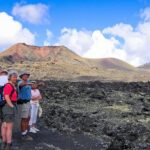
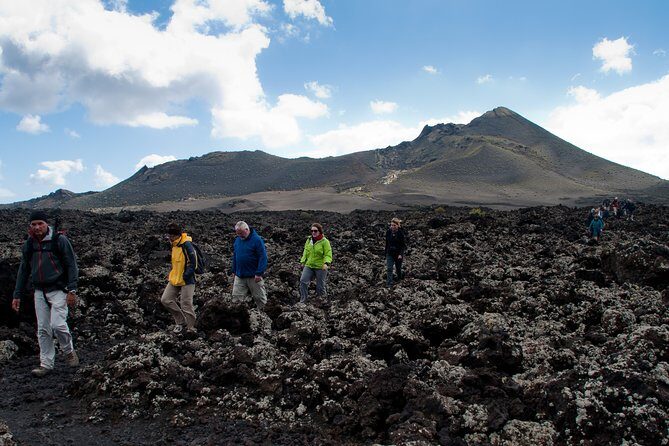
You’ll spend about 3 hours hiking in the northeast sector shaped by the Timanfaya eruption of 1730–36, crossing lava flows and climbing up to volcanic cones, lava channels and tubes, plus lava lakes and crater views. It’s capped at a small group size (max 16), and it runs in English, which makes the science and the scenery easy to follow.
In This Review
- Key things to know before you go
- Hiking the Northeast Sector of Los Volcanes in 3 Hours
- What You Walk Over: Lava Flows, Volcanic Cones, Channels, Tubes, Lakes
- Why Lanzarote’s Arid Climate Keeps the Volcanic Forms So Clear
- The Human Side of the Volcano Story (Including Wine Notes)
- How Life Returns: From Molten Rock to Living Ground
- The Guide Experience: Clear Explanations and Calm Pacing
- Footwear, Heat, and Staying Comfortable on an Exposed Route
- Price and Value: Is $46.86 Worth It?
- Who This Hike Fits Best (And Who Might Want to Skip It)
- Booking Wisdom: Timing and Weather Matter Here
- Should You Book This Los Volcanes Guided Hike?
Key things to know before you go
- Timanfaya-era terrain on foot: You walk through the part of Los Volcanes still marked by the 1730–36 eruption.
- More than photo stops: Expect crossings of lava flows, cone climbs, and views of craters and lava structures.
- Arid-climate preservation: Little vegetation means the volcanic forms stay crisp, like an outdoor rock exhibit.
- Life returning to lava: The guide connects geology to the slow comeback of plants and life.
- Small group, calmer hike: Maximum 16 people helps keep the pacing comfortable.
- English interpretation: You get the why behind what you’re seeing, not just where to look.
Hiking the Northeast Sector of Los Volcanes in 3 Hours
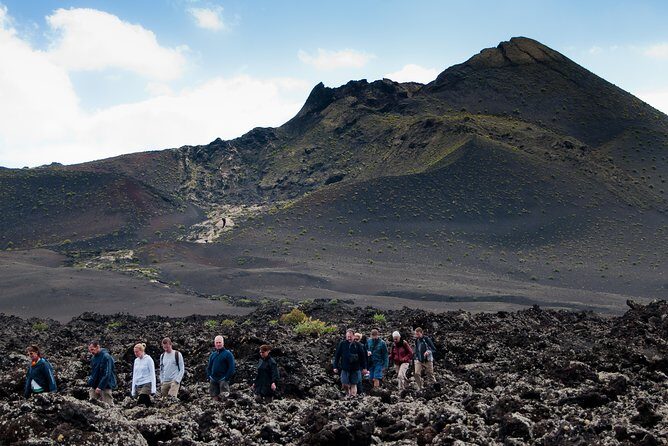
This is the kind of volcano hike that feels like a guided field trip—minus the classroom. You’ll start at 10:00 am, then head into Parque Natural de Los Volcanes to explore a specific slice of Lanzarote’s volcanic history. The route focuses on the northeast sector of the eruption zone from Timanfaya (1730–36), which matters because it shapes what you’ll actually see: lava flows, cones, craters, and the underground-style features that make this landscape so distinctive.
The whole experience is about 3 hours total, and you’ll return to the meeting point at the end. That timing is a big part of the value. You get a meaningful hike and geology education without turning your vacation day into a half-marathon.
Other volcano tours we've reviewed in Lanzarote

What You Walk Over: Lava Flows, Volcanic Cones, Channels, Tubes, Lakes
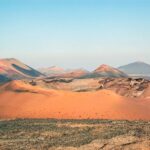
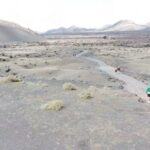
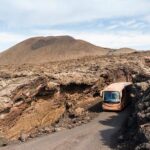
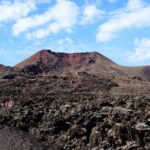
The core of this hike is simple: you move across volcanic formations that formed millions of years of planetary energy in one dramatic chapter. The route takes you on foot through lava flows and up to volcanic cones, where you’ll see (and learn about) formations linked to moving molten rock.
Here’s what you can expect to be talking about as you go:
- Lava flows: You’re crossing the hardened paths where the eruption’s material spread.
- Volcanic cones: You’ll get the chance to ascend toward higher volcanic shapes, which helps make the terrain feel three-dimensional.
- Lava channels and lava tubes: These are tied to how lava traveled—sometimes spreading on the surface, sometimes moving through “hidden” routes beneath.
- Lava lakes: You’ll learn how this kind of feature fits into the eruption’s behavior.
- Spectacular craters: Views from crater areas are often the moment the whole hike clicks—this is when you really see scale.
One reason I like this structure is that you’re not just looking at scenery; you’re tracing how volcano activity actually builds a system. A good guide makes you connect the dots: what you see on the surface tends to match a process underground and over time.
Why Lanzarote’s Arid Climate Keeps the Volcanic Forms So Clear
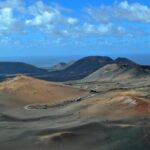
Lanzarote is dry, and that’s not just a comfort detail—it’s part of the “wow” factor. In this park, vegetation struggles to grow, which means the volcanic shapes remain in unusually good condition. The result is that the area can feel like a gigantic outdoor rock museum: you can still recognize the forms as forms, instead of watching them blur under thick plant cover.
As you hike, that matters because you can follow the logic of the terrain:
- hardened lava looks like hardened lava
- channels and tubes are easier to interpret when the surface hasn’t been swallowed by greenery
- crater shapes hold their clarity
You also get a deeper lesson when you connect aridity to preservation. The island stays readable.
The Human Side of the Volcano Story (Including Wine Notes)
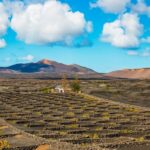
Volcano hikes can get stuck in pure science talk. What makes this one satisfying is that the guide also links geology to how people live with it. In particular, you may hear context about Lanzarote’s special wine culture—there’s an established local approach to viticulture here, and the guide can connect the volcanic ground to the way people farm.
Even if you’re not a wine person, this adds a layer of understanding. You stop treating the eruption zone as just a dramatic backdrop and start seeing it as land that locals work with—sometimes creatively—because that’s what you do on a volcanic, arid island.
If your guide is strong at interpretation (names you might see associated with this experience include Manuel and Laurent), you’ll probably come away with both the geology and the everyday human adaptation.
How Life Returns: From Molten Rock to Living Ground
One of the most memorable parts of this hike is the theme of resurgence—life slowly coming back onto lava. The park walk is built to help you understand that process as slow, not instant. You’re looking at fresh-feeling volcanic forms that may look lifeless at first glance, and then the guide explains how life returns over time, even where conditions are harsh.
This is where the hike goes beyond sightseeing. You start asking better questions:
- what survives first
- how the ground changes
- why the timeline matters
And because you’re hiking through a preserved area, the contrast is sharp. That makes it easier for you to see the story the guide is describing.
Other volcano hikes and treks in Lanzarote
The Guide Experience: Clear Explanations and Calm Pacing
A volcano hike lives or dies by the guide. Here, the emphasis seems to be on clarity and group comfort, not just speed. People often talk about how well organized the tour feels, including smooth coordination around arrival and departure. That kind of forethought matters when you’re traveling: it reduces stress, so you can focus on the hike.
You’ll also appreciate how the guides tend to manage the pace. This hike is described as friendly enough for those with moderate physical fitness, and the guidance helps keep the group from getting too strung out—especially in heat. That’s important in an exposed volcanic area where rest stops and hydration can’t be an afterthought.
What you’ll likely get in practical terms:
- you understand what each terrain feature is
- you get context while you’re still seeing it
- you don’t feel rushed
If you’re the type who likes science but hates lectures, this style usually works well.
Footwear, Heat, and Staying Comfortable on an Exposed Route
The park is arid, so conditions can feel intense. The experience specifically asks you to wear closed footwear—open sandals aren’t recommended. That’s not fussiness; it’s about safety and comfort on uneven ground.
Bring:
- closed hiking shoes or sturdy sneakers
- sun protection (hat, sunscreen, sunglasses)
- water
Also plan for the fact that the hike is around midday-ish timing (starts at 10:00 am) and the terrain is exposed. Even if the walk feels “easy,” the sun can do the heavy lifting. A smart move is to start steady, not fast, and let the guide set the rhythm.
Because the group size is small (max 16), you’ll likely have space to adjust your pace without feeling left behind.
Price and Value: Is $46.86 Worth It?
At about $46.86 per person for roughly 3 hours, this hike sits in the sensible end of the pricing range for a guided experience with interpretation. The standout value points for me are:
- Admission is free (so your money mainly supports the guide and the guided route experience)
- the route covers multiple major volcanic features (flows, cones, craters, lava structures)
- small group size helps keep the hike enjoyable and understandable
The math is simple: you’re paying for time with a guide in a place where the details matter. Without guidance, you can still look at volcanic landforms—but you’d miss the “why this matters” pieces. With guidance, the hike becomes more like understanding a book while reading the pages out loud.
If you’re trying to choose between a quick look at Timanfaya-style scenery and something more hands-on, this is the “learn while you walk” option.
Who This Hike Fits Best (And Who Might Want to Skip It)
This guided hiking experience is a good match if you:
- want a volcano-focused walk with real explanations
- like scenery that you can understand while you’re in it
- enjoy geology enough to notice details (lava flows, cones, craters)
- want a small-group hike rather than a crowd
It’s also listed for service animals, which is useful if that’s part of your planning. The physical fitness level is described as moderate, so if you’re comfortable walking on uneven terrain for a few hours, you should be fine.
You might reconsider if you:
- can’t manage heat well or you’re sensitive to strong sun exposure
- need a very low-effort stroll with minimal uneven ground
- don’t want guided interpretation and would rather go completely at your own pace
Booking Wisdom: Timing and Weather Matter Here
Average booking is around 40 days in advance, which tells you something about demand. This isn’t a huge mega-tour, and the park conditions are weather-dependent, so booking earlier can help you get the day you want.
Good weather is required. If conditions are poor, you’ll be offered a different date or a full refund—so you shouldn’t feel trapped. And since confirmation is typically received within 48 hours (subject to availability), you’ll want to keep an eye on your plans once you book.
Should You Book This Los Volcanes Guided Hike?
I’d book it if you want a guided volcano walk that doesn’t just show you cool shapes, but explains the volcanic machinery behind them. The mix of lava flows, cone climbs, craters, and lava structures, plus the theme of how life returns, makes it feel like a complete story in one outing.
I’d pass or adjust expectations if you’re looking for a mostly flat stroll, or if heat is a real problem for you. Bring water, wear proper shoes, and pace yourself, and you’ll get the most out of the experience.
If you want one volcano hike on Lanzarote that’s small, focused, and interpretive, this is a strong choice.