REVIEW · LANZAROTE
Volcano Trekking Tour (Timanfaya eruptions)
Book on Viator →Operated by Geotrekking Lanzarote · Bookable on Viator
You can walk right up to the science of a volcano. This 3-hour Timanfaya trek takes you through lava fields and up toward la Rilla Volcano for crater views, with hotel pickup that keeps the morning easy. I especially liked how the guide helps you read the ground under your feet, but do expect a bit of uphill even on the low-difficulty route.
The big win is the small group setup (max 10), plus the way guides like Alejandro, Ula, and Sabrina pace the walk with stops for photos and questions. It feels relaxed, not rushed, and you get a clearer sense of why Lanzarote looks the way it does.
One more thing to plan for: you need decent weather. The experience depends on it, and on rough-weather days you may be offered another date or a full refund.
In This Review
- Key things I’d plan around
- Getting to Timanfaya: Tinajo meeting point and pickup that helps
- The 7km loop to la Rilla: what the walk is really like
- Practical note on the “low difficulty” label
- Lava fields and volcanic forms: learning the ground as you walk
- What’s included that actually makes a difference on the trail
- Provided gear
- Water and snacks
- Small-group pacing
- Timing and pacing: a relaxed 3 hours with built-in breaks
- Price and value: is $50.81 worth it?
- Who this volcano trek suits best
- Weather reality in Timanfaya: plan for conditions, not fantasies
- Should you book this Timanfaya Volcano Trek?
- FAQ
- What time does the Volcano Trekking Tour in Timanfaya start?
- How long is the hike, and what distance do you cover?
- Where do I meet, and is hotel pickup included?
- How many people are in the group?
- What gear is provided for the trek?
- Is it in English, and what happens if the weather is poor?
Key things I’d plan around
- Hotel pickup from key resorts across the island’s center and south
- A low-effort 7km circular walk with only about 50m of elevation change
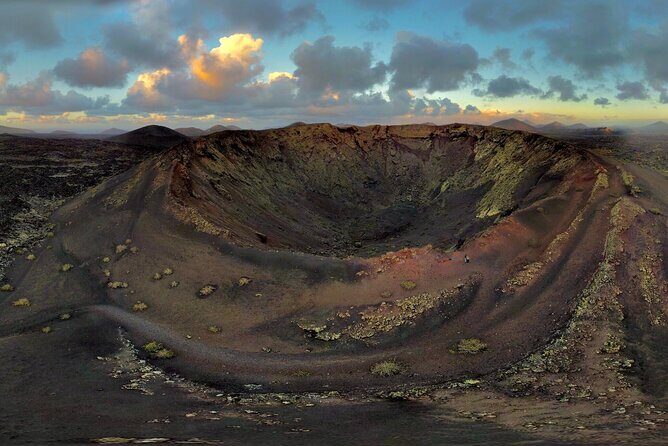
- Crater access and crater-rim views near la Rilla
- Provided walking poles and rain jackets if conditions call for it
- Small group energy (max 10) and lots of guide talk at natural stopping points
Getting to Timanfaya: Tinajo meeting point and pickup that helps
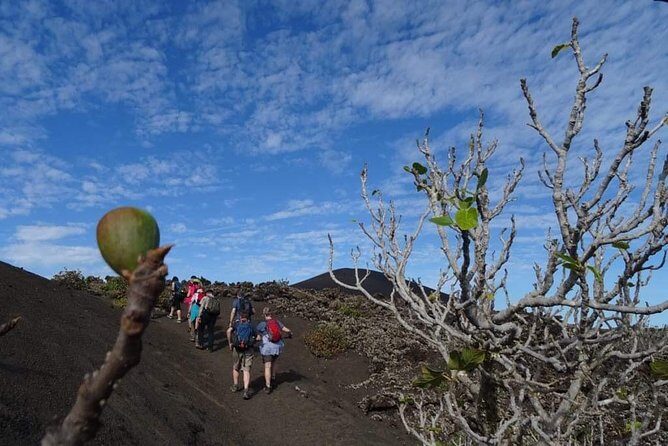
Most people start the morning without driving themselves. The tour meets at LZ-56, 48, 35560 Tinajo, Las Palmas, Spain, and the start time is 9:30am. If you’re staying in the south or center, hotel pickup is offered for Costa Teguise, Arrecife, Puerto del Carmen, and Playa Blanca.
That pickup detail matters more than it sounds. Timanfaya areas can be confusing to reach on your own, and you’re saving time for the part you actually paid for: walking the volcanic footpaths with a guide. You also end back at the meeting point, so the whole morning has a clean start-and-finish rhythm.
You’ll also use a mobile ticket, and you should get booking confirmation at the time you reserve. If you like knowing everything is set before you step out of the hotel, this reduces stress.
Other Timanfaya National Park tours we've reviewed in Lanzarote
The 7km loop to la Rilla: what the walk is really like
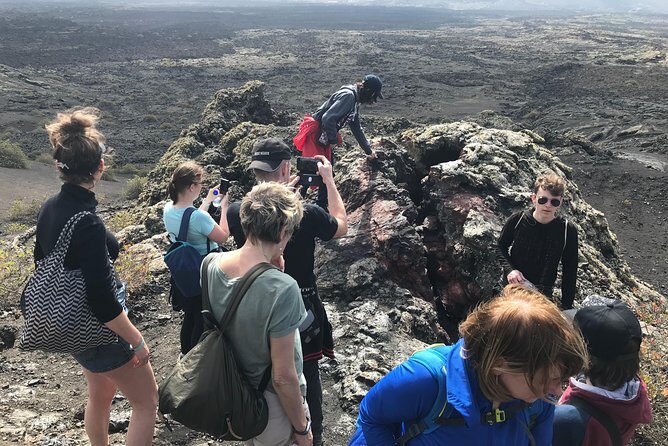
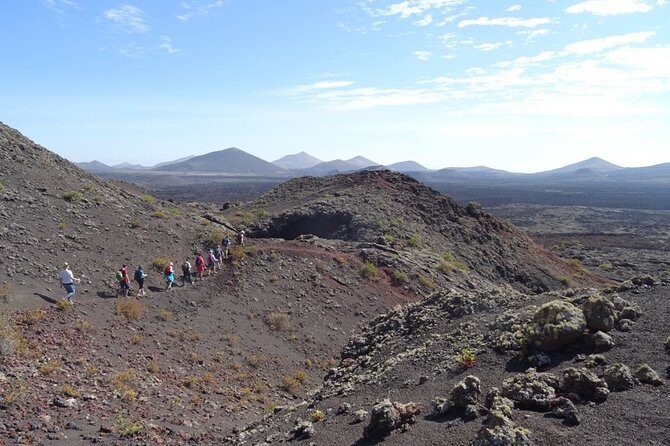
This is a circular route of about 7km, with a low difficulty rating and around 50m of altitude difference. In plain terms: it’s not a climbing expedition, but it’s not a flat stroll either. Expect some sections that feel uphill as you move toward the craters and viewpoints.
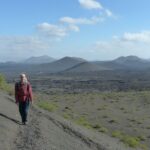
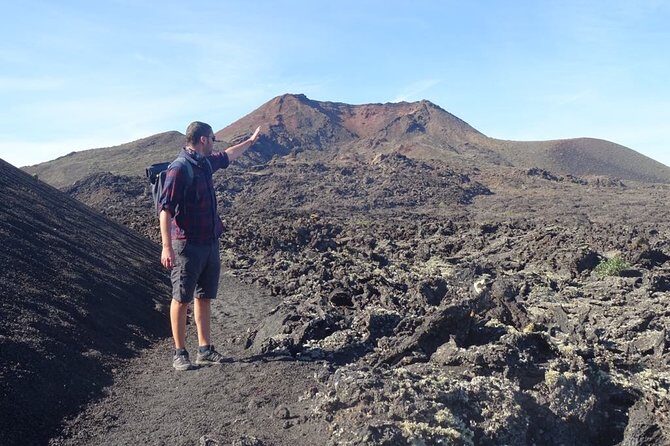
The headline moment is the climb toward la Rilla Volcano, where you can see impressive craters up close and then keep walking through the volcanic terrain after. Multiple guides on this trek lean into interpretation, so the route doesn’t feel like you’re just collecting photos. You’re learning how these shapes and textures formed, and why they look so different from your usual hiking spots.
There are also natural photo breaks built into the walk. Reviews talk about stops that make it easier to capture views and listen without feeling like you’re constantly walking past the interesting bits. On a route like this, that pacing makes the difference between seeing the park and actually understanding what you’re seeing.
Practical note on the “low difficulty” label
Low difficulty usually means manageable, not effortless. Several comments highlight that there is uphill, and you’ll feel it if you’re not used to rocky trails. If you can handle a steady morning hike with a few hills, you’ll be fine. If hills are a problem, bring a slightly more conservative mindset and let your guide know early.
Lava fields and volcanic forms: learning the ground as you walk
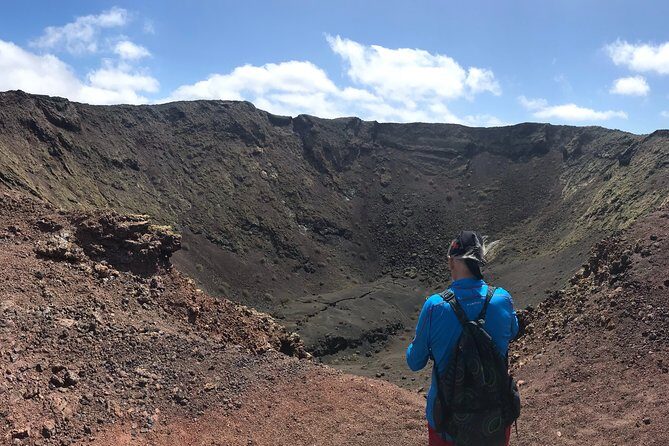
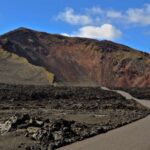
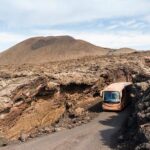
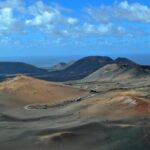
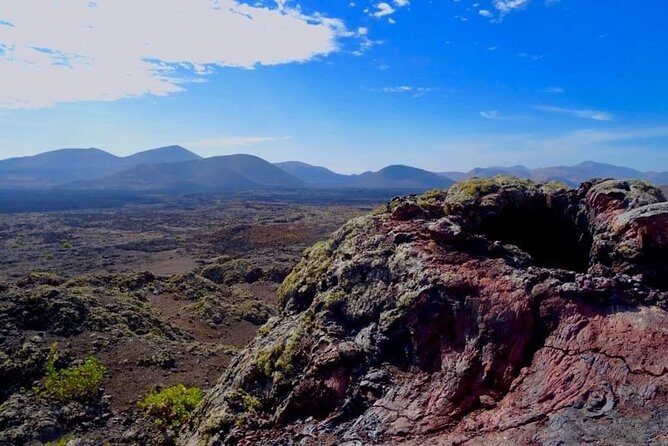
The walk moves through the volcanic world of Timanfaya National Park, formed from eruptions roughly 300 years ago. You’re not touring a museum model. You’re seeing real terrain—lava fields, volcanic shapes, and color changes—up close.
A big reason this tour works is how the guide points things out while you’re still walking through them. People mention that guide explanations covered geological formations and their colors along the route. That matters because volcanic landscapes can look chaotic at first glance. With a good guide, the chaos becomes clues.
You’ll also get context for the history of Lanzarote’s volcanic activity. Instead of hearing random facts, the explanations typically connect back to what you’re looking at right now: craters, rock texture, and the way lava flows shaped the ground.
One subtle value here: you get to walk national park footpaths that can be hard to find if you’re on your own. Even if you’re a confident navigator, this area can be confusing. A guide keeps you on the right track while you focus on the interesting terrain, not your phone screen.
What’s included that actually makes a difference on the trail
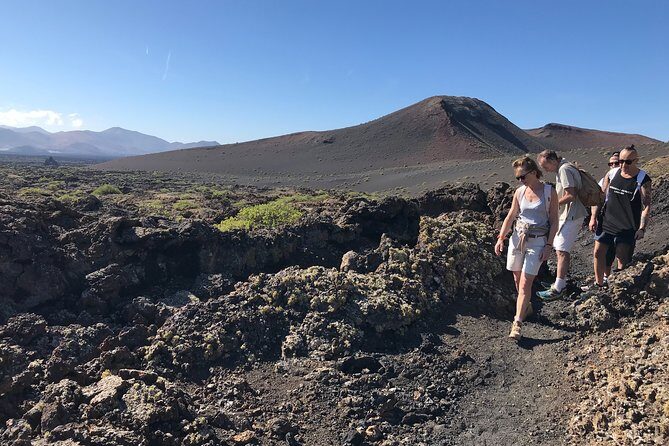
This trek includes small practical comforts that add up during a morning outside.
Other volcano tours we've reviewed in Lanzarote


Provided gear
You’ll use provided equipment like walking poles and rain jackets. Those are not fancy extras. Poles help on uneven ground, and rain gear is useful because Timanfaya weather can shift.
If you like light travel days, this is a win: you don’t have to pack for every possibility just in case.
Water and snacks
Some of the trek comments specifically mention water and snacks included. After a few kilometers of volcanic walking, that basic support helps you stay comfortable and keep your energy for the crater views.
Small-group pacing
The group size is capped at 10 travelers. In practice, that usually means more frequent question time and quicker adjustments if someone needs to slow down. Reviews also mention guides stopping at intervals for photos and explanations, which makes the time feel meaningful instead of just “walk, walk, walk.”
Timing and pacing: a relaxed 3 hours with built-in breaks
The tour runs for about 3 hours (approx.). That’s a smart length for this kind of terrain. It’s long enough to get into the park and reach the crater area, but short enough that you’re not committing your whole day to walking.
The structure tends to work like this:
- Start with a guided route into the national park area.
- Move toward the la Rilla crater zone with the most “look here” moments coming as you approach and near the top.
- Continue through lava fields and other volcanic geo-forms with guide stops that help you understand what you’re seeing.
- Return to the meeting point to close the loop.
Because the walk is circular, you don’t have to worry about logistics like turnaround points or arranging rides at an endpoint somewhere else. You finish where you started.
Price and value: is $50.81 worth it?
At $50.81 per person for a 3-hour guided trek, the value mainly comes from three things you don’t easily replicate on your own:
- Guide interpretation that translates volcanic terrain into understandable features.
- Access to the right footpaths inside the park area without the trial-and-error.
- Pickup plus included gear, like walking poles and rain jackets, which lowers friction.
If you had to drive yourself, find parking, map routes, and still figure out what you’re looking at, the “cost” isn’t just money. It’s also time and mental energy. Paying this amount is often cheaper than spending a full morning trying to solve the route and then separately learning the geology.
Also, the tour is typically booked about 15 days in advance on average, so if you’re traveling in busier periods, it’s smart to reserve sooner rather than later. This kind of small-group hike can fill up.
Who this volcano trek suits best
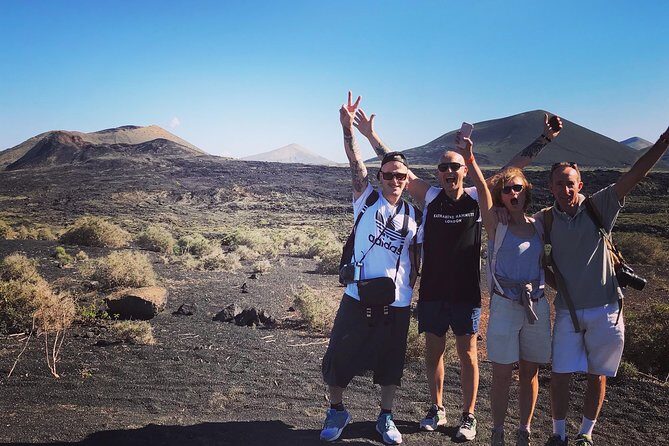
This is a good match for people who want a real walk in Timanfaya National Park without technical hiking demands.
Based on the tour details and how guides run the experience:
- Most travelers can participate, since it’s low difficulty with modest elevation change.
- It’s ideal for couples, solo travelers, and small groups who want the benefit of a guide without the big-tour feeling.
- It works well for people who care about geology and volcanic history, since explanations are part of the walking rhythm.
- Service animals are allowed, which can matter when you’re choosing activities in outdoor areas.
If you’re the type who gets impatient with long museum-style talks, you’ll probably like this setup: the learning happens while you’re moving through the terrain.
Weather reality in Timanfaya: plan for conditions, not fantasies
This experience requires good weather. If poor conditions cancel the trek, you’ll be offered a different date or receive a full refund.
Even with provided rain jackets, it’s worth preparing for wind, sun, or quick changes. Volcanic terrain can feel exposed, and you’ll be happier if you dress in layers and wear shoes with solid grip.
If you’re the flexible type, this tour can still be great even when conditions aren’t perfect—just don’t treat it like a guarantee. The park asks for cooperation from the sky.
Should you book this Timanfaya Volcano Trek?
Yes, you should book this tour if you want a guided walk that gets you close to crater views and lava fields without heavy difficulty. The combination of pickup, small group size (max 10), and provided gear like walking poles and rain jackets makes it feel practical from the start.
I’d hesitate only if:
- Hills on uneven ground are a real problem for you, even though the hike is rated low difficulty.
- You need a fixed plan no matter the weather, since this activity depends on good conditions.
If you’re visiting Lanzarote and want your morning to feel both scenic and educational, this is one of the most efficient ways to do it.
FAQ
What time does the Volcano Trekking Tour in Timanfaya start?
The tour starts at 9:30am. It ends back at the same meeting point where it starts.
How long is the hike, and what distance do you cover?
Plan on about 3 hours (approx.) and around 7km total on a circular route, with an altitude difference of about 50m.
Where do I meet, and is hotel pickup included?
You meet at LZ-56, 48, 35560 Tinajo, Las Palmas, Spain. Pickup is available for Costa Teguise, Arrecife, Puerto del Carmen, and Playa Blanca (all center and south of the island).
How many people are in the group?
This experience has a maximum of 10 travelers, so it’s designed as a small-group walk.
What gear is provided for the trek?
You’ll use provided walking poles and rain jackets during the hike.
Is it in English, and what happens if the weather is poor?
The tour is offered in English. The experience requires good weather; if it’s canceled due to poor weather, you’ll be offered a different date or a full refund.
More Volcano Hikes & Treks in Lanzarote
More Volcano Tours in Lanzarote
More Timanfaya National Park Tours in Lanzarote
- Tour to Timanfaya, Jameos del Agua, Cueva de los Verdes and viewpoint from the cliff
★ 5.0 · 1,381 reviews