REVIEW · LANZAROTE
Volcano Hike – Timanfaya eruptions
Book on Viator →Operated by Blackstone Treks Tours · Bookable on Viator
Volcano trails have a way of sticking with you. This half-day hike follows the ground where the Timanfaya eruptions started centuries ago, and it turns big geology into a walk you can actually understand. I love how the route feels personal, with a small group and stops led by guides like Jose and Raquel that make the science feel real.
My second favorite part is the way this isn’t just walking for walking’s sake. You move through lava flows, volcanic cones, and craters, and you get time to spot plant and animal life that survives in a place that looks anything but welcoming. The pace is slow and steady, and it rarely feels like you’re being rushed.
One thing to plan for: it can be chilly and windy, especially near exposed viewpoints. Good shoes matter, and packing a warm layer is smart even if Lanzarote is sunny.
In This Review
- Key highlights at a glance
- Timanfaya’s eruption ground: why this hike feels different
- Picking the right starting point: meeting vs hotel pickup
- What 4 hours on a volcano actually means (and how hard it feels)
- The walk itself: cones, craters, lava flows, and living things
- Jose and Raquel: guides who make the science human
- Transfers, small-group size, and why that matters for your day
- What’s included: snacks, water, and the small comfort wins
- Packing for wind, exposed views, and mixed footing
- Price and value: is it worth about $50?
- Who should book this volcano hike
- FAQ
- FAQ
- How long is the volcano hike?
- Do I get hotel pickup in Lanzarote?
- Where is the meeting point?
- Is the tour in English?
- What’s included in the price?
- Is lunch included?
- How big is the group?
- Is the hike strenuous?
- Does the tour run in any weather?
- What is the cancellation window?
- Can I bring children?
- Should you book this Timanfaya volcano hike?
Key highlights at a glance
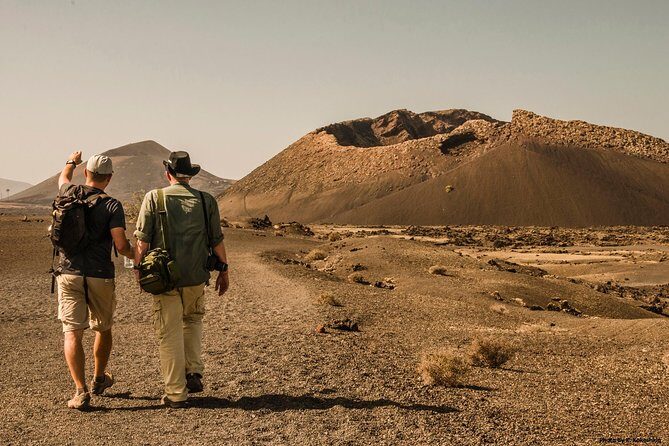
- Walk where Timanfaya eruptions began in the 1700s, with crater and lava-flow views
- Small-group feel (up to 8, with a booking cap listed as 10) for more questions and less waiting
- Guides Jose and Raquel keep the hike moving with frequent stops and clear explanations in English
- Snacks and bottled water included, plus extra warm gear may be available on the day
- Low-intensity, guided pace meant to feel doable, with transfers rolled into the timing
Timanfaya’s eruption ground: why this hike feels different
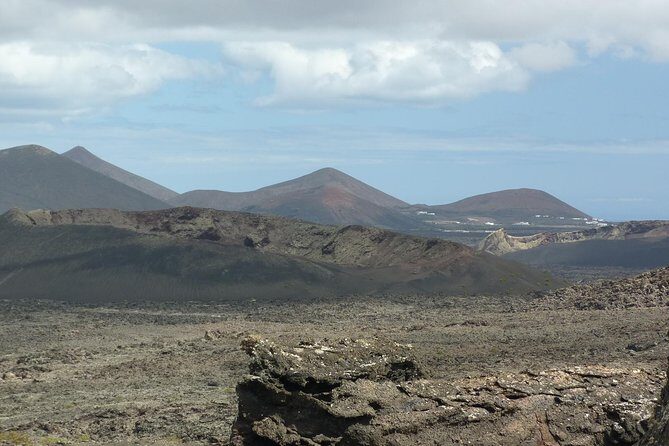
This isn’t a drive-by viewpoint. You’re walking in the area where the Timanfaya eruptions started back in the 18th century, and the whole point is to connect what you see now with what happened then. When the guide explains how eruptions in the 1700s shaped the terrain, the cones, craters, and lava structures stop looking random. They start looking like evidence.
I like that the experience gives you both scale and detail. You get the big wow factor—crater tops and sweeping views—and you also get the small stuff. The route includes chances to look for plant and animal life in a place made by fire and still recovering.
Other Timanfaya National Park tours we've reviewed in Lanzarote
Picking the right starting point: meeting vs hotel pickup
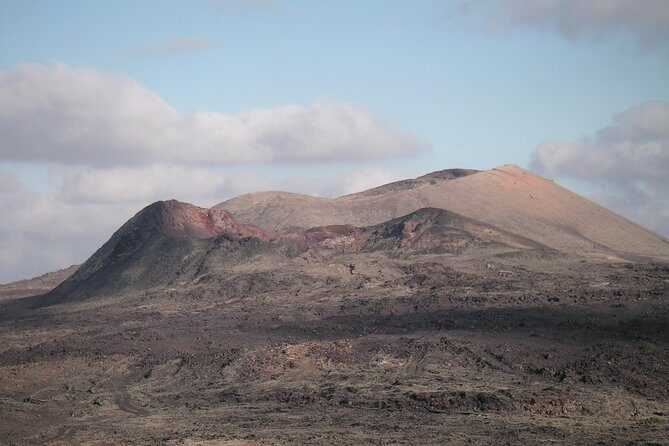
The tour can start either from a central meeting place or with hotel/port pickup, depending on where you’re staying.
If you’re using pickup, the service is only offered in these areas: Costa Teguise, Arrecife, Puerto del Carmen, and Puerto Calero. If you’re not in one of those zones, you’ll need to plan on the meeting point: LZ-56, 80, 35560 Tinajo. The activity ends back at the start point.
A small practical tip: transfers are listed as approximate, and the exact timing depends on time of day and traffic. So treat the 4-hour half-day as a real half-day with a little wiggle room, not as a tight schedule you can build around minute-by-minute.
Also note one special case: cruise ship passengers are asked for ship name, docking time, disembarkation time, and re-boarding time. That’s a sign the operator is used to working within cruise timelines, but you’ll still want to be ready when you’re told.
What 4 hours on a volcano actually means (and how hard it feels)
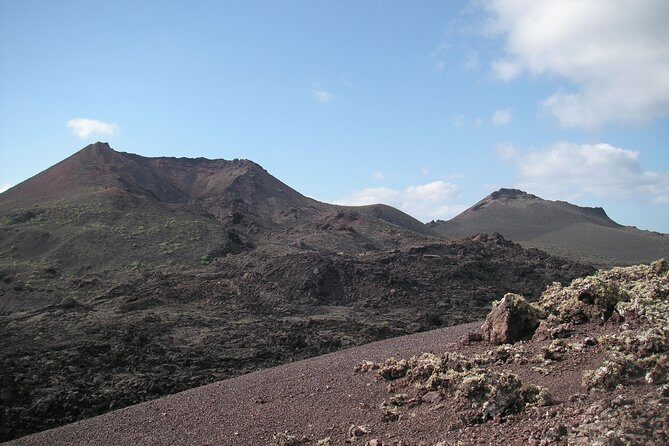
The walk is described as low intensity, and that lines up with what the best guides do: they manage pace. In this case, you’re typically looking at a 4- to 5-hour window including transfers, with the guided hike itself often closer to a shorter, steady block once you’re on the ground.
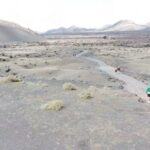
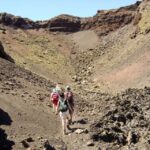
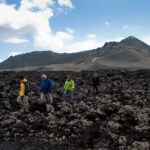
The terrain is real volcanic terrain—lava stones, gravel, sand, and mixed footing. Even if the climb is not steep in a fitness-test way, it can still feel different underfoot. That’s why you’ll want shoes with solid grip and support.
You should also expect frequent stops. That’s not a time-waster; it’s how the guide turns a trek into a lesson. Breaks also help everyone stay comfortable, especially if wind picks up.
The walk itself: cones, craters, lava flows, and living things
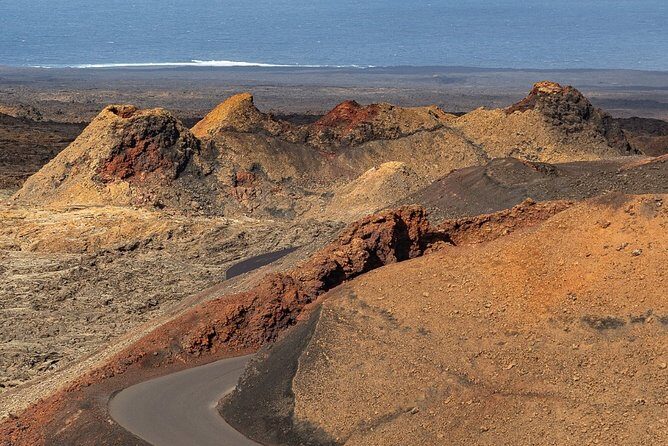
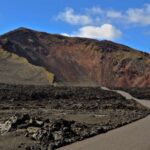
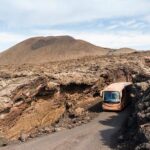
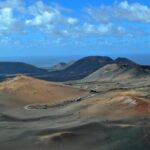
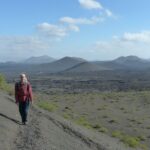
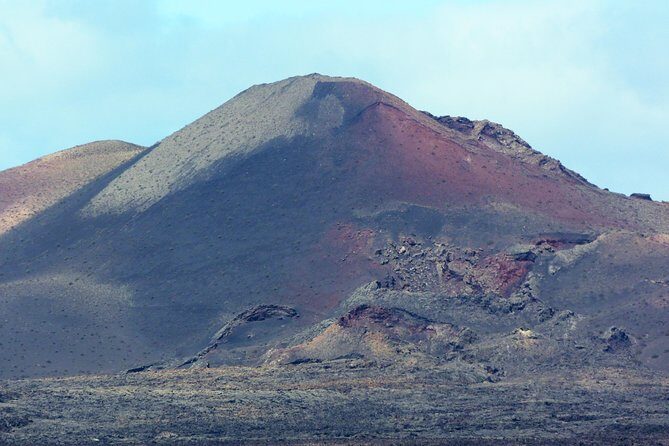
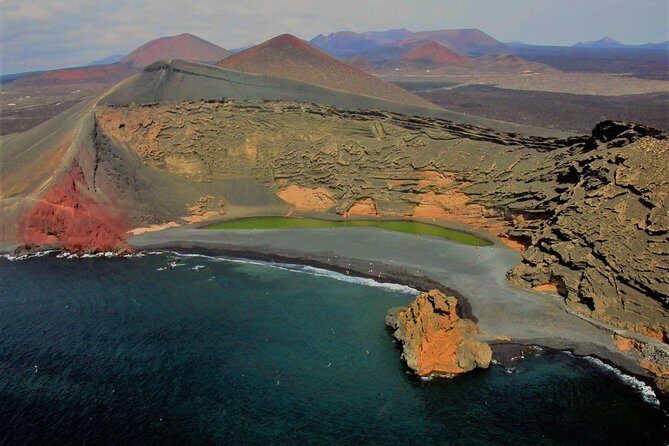
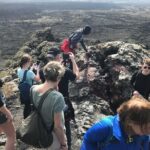
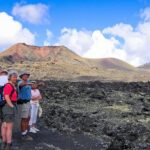
The core of the experience is the guided walk through Los Volcanes Natural Park, with geology at the center of everything. You’ll see volcanic cones and craters, and you’ll hike along formidable lava flows while learning how the eruption shaped what’s visible today.
Here’s what makes this kind of hike click:
- You’re moving through the features instead of only viewing them. That changes how you understand the terrain.
- The guide connects the shapes you see to the eruption story. In a place like this, that storytelling is half the value.
- There’s an explicit focus on plant and animal life. So you’re not just photographing rock; you’re noticing how life manages to exist there over time.
One practical takeaway: bring a mindset shift. You’re not looking for lush scenery. You’re learning to see survival, change over time, and how different surfaces behave—hot-ground shapes replaced by cooler reality.
Jose and Raquel: guides who make the science human
In my book, a volcano hike lives or dies on the guide. This one has a strong track record, and two names come up again and again: Jose and Raquel. Both are described as friendly, energetic, and invested in helping the group understand what they’re seeing.
Raquel is noted as speaking English and also Spanish and French, which matters because it can make the group feel smoother if questions come up fast. Jose gets praised for being entertaining and for telling island stories that keep people engaged without turning the hike into a lecture.
The pattern is consistent: you get explanations at the right moments, and the guide checks the group’s needs—stopping often enough to keep everyone together and safe. Some reviews also mention extra cold-weather gear being available (spare jackets/coats and rain ponchos). That’s not something to assume, but it’s reassuring to know the team is ready for typical Lanzarote weather swings.
Other volcano tours we've reviewed in Lanzarote


Transfers, small-group size, and why that matters for your day
The tour is built around a small-group format. The highlights say the group is limited to a maximum of eight for a more personalized experience, while the booking info lists a maximum of 10 travelers. Either way, it’s clearly not the big-bus situation.
That size difference matters because it changes the whole rhythm:
- You can ask questions without shouting over a crowd.
- The guide can pause for photos and still keep everyone moving.
- Safety and pacing are easier when the group is small.
- You spend more time outside and less time waiting.
If you dislike the feel of large groups, this is the kind of walk that tends to suit you.
What’s included: snacks, water, and the small comfort wins
You get a lot of practical support built into the price. Included items are:
- Hotel/port pickup and drop-off (in the pickup zones)
- Air-conditioned minivan transport
- A professional guide
- Small-group walking tour
- Snacks
- Bottled water
Food and drinks are not included unless specified. That means you should plan to eat before or after. For most people, I’d treat this as a morning or early afternoon activity with lunch handled on your own schedule.
A detail I appreciate: you’re not left to fend for yourself on the trail. Snacks and water make the hike feel smoother, especially if you’re traveling light.
Packing for wind, exposed views, and mixed footing
Even when the plan is low intensity, Lanzarote weather can be tricky. Several people point out that it gets pretty chilly with wind during the hike. This is one of those tours where I’d rather you over-pack a little than freeze.
What I’d bring:
- Closed-toe shoes with grip (lava rock and gravel can be slippery)
- A warm layer even if it’s not cold back in town
- A light rain layer, just in case
- A small daypack for water and snacks (even though you’ll be given some)
Also, don’t underestimate the wind near viewpoints. Your first “I’m fine” moment can turn into “where’s my jacket” fast.
Price and value: is it worth about $50?
At $50.81 per person, this is not a freebie. But the value is pretty straightforward when you look at what’s included.
You’re paying for:
- Guided time on the volcanic ground
- Professional leadership throughout
- Small-group size
- Transport by minivan
- Pickup/drop-off where offered
- Snacks and bottled water
If you tried to replicate it on your own, you’d still need transport, access planning, and someone to interpret what you’re looking at. The guide’s explanations—especially the 1700s eruption context—are the part that makes a crater view feel like more than a photo moment.
For me, the best sign of value is how often people mention the hike taking only a few hours while still feeling educational and not rushed. That’s a good ratio of time outside to time spent sitting in transit.
Who should book this volcano hike
This tour fits best if you want a guided walk that mixes views with real explanation, and you prefer a smaller group.
I’d especially recommend it for:
- People who get bored with purely scenic tours and want a story
- Travelers who like slow, steady pacing and frequent stops
- Anyone who wants an introduction to how Lanzarote’s volcanic past shaped what’s visible today
- Families with kids who can handle a few hours of walking (children must be accompanied by an adult)
You might think twice if:
- You have very limited mobility or struggle with uneven ground (the tour is low intensity, but it’s still a volcanic trail)
- You hate cold wind and don’t plan to bring warm layers
- You’re trying to squeeze this into a tight schedule with no buffer for transfers
FAQ
FAQ
How long is the volcano hike?
The experience is listed at about 4 hours, and that typically includes transfers. The walking portion is usually less than the full window, with a slower, steady pace.
Do I get hotel pickup in Lanzarote?
Pickup is offered only in specific areas: Costa Teguise, Arrecife, Puerto del Carmen, and Puerto Calero. If you’re outside those areas, you’ll meet at the central start point.
Where is the meeting point?
The start point is LZ-56, 80, 35560 Tinajo, Las Palmas, Spain. The tour ends back at the meeting point.
Is the tour in English?
Yes, it is offered in English.
What’s included in the price?
Included are hotel/port pickup and drop-off (where available), transport by air-conditioned minivan, a professional guide, small-group walking tour, snacks, and bottled water.
Is lunch included?
Food and drinks are not included unless specified. You’ll have snacks and bottled water during the hike.
How big is the group?
The tour is set up as a small group. The highlights mention a maximum of eight, and the additional info lists a maximum of 10 travelers.
Is the hike strenuous?
It’s described as low intensity with a 4- to 5-hour walk (including transfers). The climb is slow and steady.
Does the tour run in any weather?
This experience requires good weather. If it’s canceled due to poor weather, you’ll be offered a different date or a full refund.
What is the cancellation window?
You can cancel up to 24 hours in advance for a full refund. After that window, the amount paid is not refunded.
Can I bring children?
Children must be accompanied by an adult, and most travelers can participate.
Should you book this Timanfaya volcano hike?
If you want a half-day on Lanzarote that feels like more than a drive and a photo stop, I’d book it. The small group, the Jose and Raquel style of frequent explanation, and the included snacks/water make it an easy value choice for people who care about understanding what they’re seeing.
Just plan ahead for the basics: wear grippy shoes, pack a warm layer for wind, and don’t build the day like a stopwatch. If you do that, this is the kind of walk that turns volcanic terrain into a story you’ll remember long after you head back.
More Volcano Hikes & Treks in Lanzarote
More Volcano Tours in Lanzarote
More Timanfaya National Park Tours in Lanzarote
- Tour to Timanfaya, Jameos del Agua, Cueva de los Verdes and viewpoint from the cliff
★ 5.0 · 1,381 reviews