REVIEW · LANZAROTE
Lanzarote: La Geria Vineyards Hiking Tour
Book on GetYourGuide →Operated by Blackstone Treks & Tours · Bookable on GetYourGuide
Volcanic wine country gets real on foot. This La Geria Vineyards Hiking Tour shows you how Lanzarote farmers turned ruined volcanic ground into productive vineyards, then rewards you with a tasting of Dry Volcanic Malvasia. I love the small-group feel, which keeps the walk relaxed and question-friendly. I also like that you get more than sightseeing—you’re out there walking the terrain and then stopping for a proper winery moment.
The main thing to consider is physical fit. It’s a 9-kilometer walk, and the paths can be stony and windy, so comfy shoes and a steady pace really matter.
In This Review
- Key things you’ll notice on this tour
- La Geria’s volcanic vineyards: why everything looks so odd (and works)
- The 9-kilometer hike and the climb to top views
- How the guide keeps the walk feeling manageable
- Wine tasting at the winery: Dry Volcanic Malvasia in context
- The third-highest point moment: when the effort clicks
- Hotel pickup and meeting at Bodega Rubicón: keep it simple
- Price and value: what you’re really paying for at $54
- What to pack (and what not to bring) for Lanzarote winds and rocks
- Who should book this hike—and who should skip it
- Should you book the La Geria Vineyards Hiking Tour?
- FAQ
- How long is the La Geria vineyards hiking tour?
- Where do I meet for the tour?
- Is hotel pickup included?
- What wine do you taste?
- What’s included in the snack bag?
- How big is the group?
- What should I bring, and what’s not allowed?
Key things you’ll notice on this tour
- La Geria’s miracle farming system: vineyards built to survive without relying on water in the usual way
- A climb that earns the views: you reach one of the island’s highest vantage points for wide panoramas
- Guides with a storyteller’s touch: expect stops that explain plants, farming choices, and island history
- Snack + hydration before you start: a snack bag helps keep your energy steady
- Wine tasting focused on local character: Dry Volcanic Malvasia is the star, not a generic pour
- A small group under 10 people: easier pacing and more personal attention
La Geria’s volcanic vineyards: why everything looks so odd (and works)
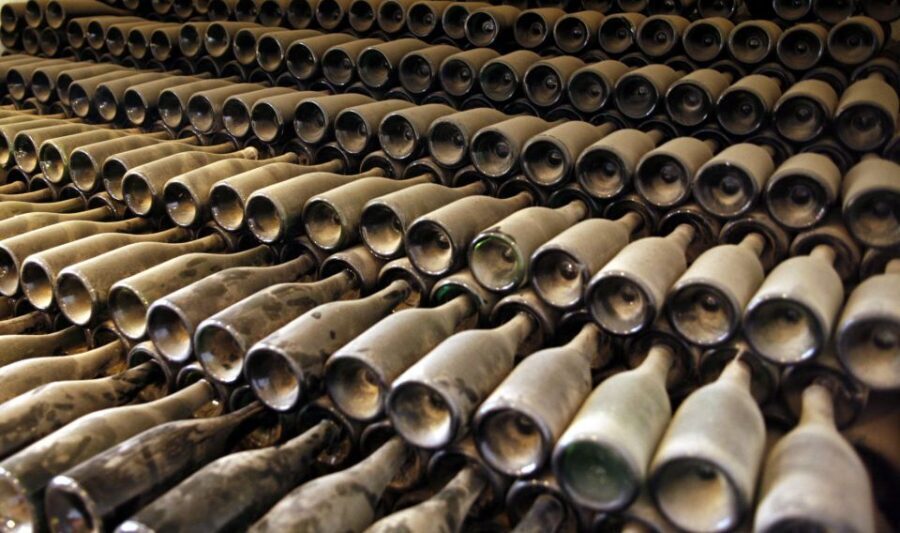
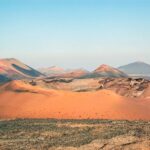
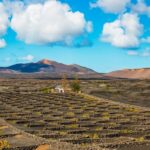
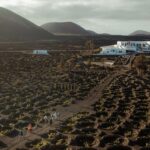
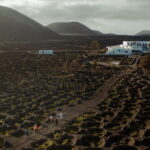
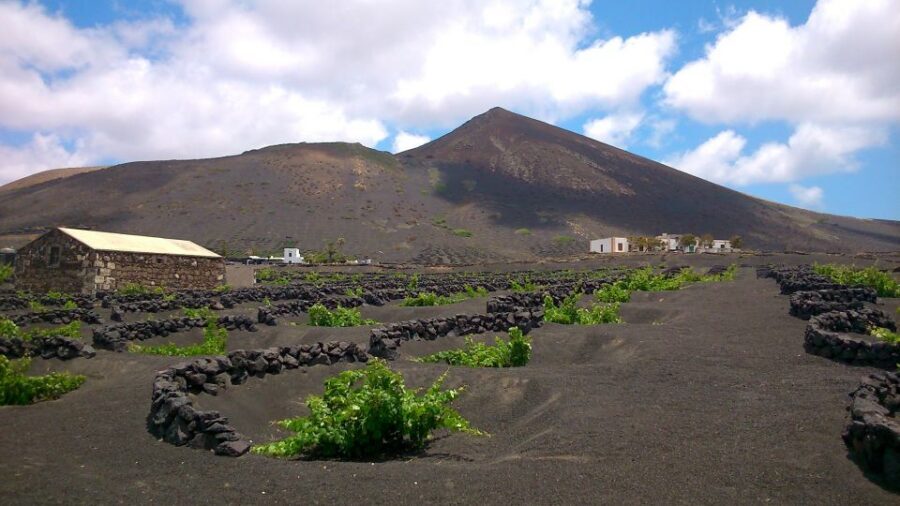
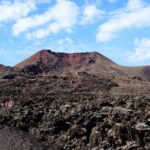
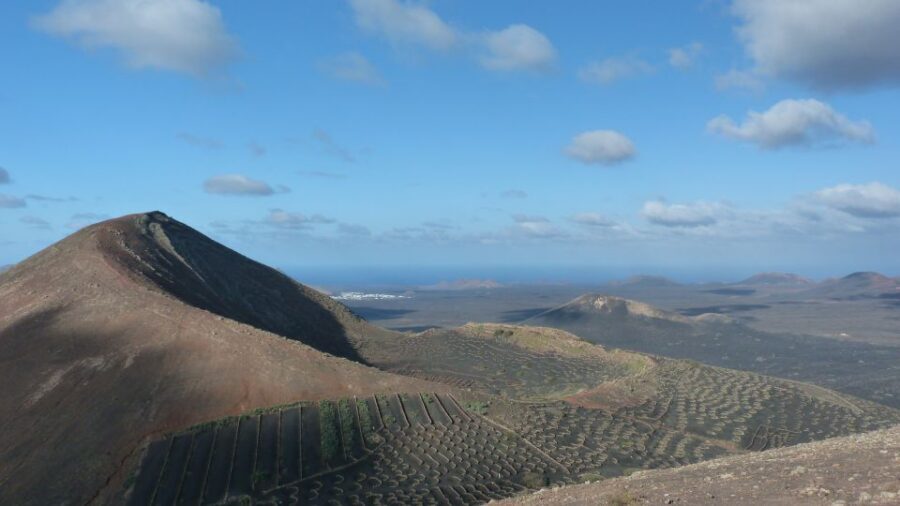
La Geria is famous because it doesn’t look like typical wine country. You’ll see vines growing in a field of volcanic rock, with a system that was invented to deal with Lanzarote’s harsh reality. Long ago, big volcanic activity changed the island’s land and made farming far from straightforward. The response was clever: locals built a way to cultivate grapes while working with the ground they had.
The tour makes this make sense on the walk. Instead of getting handed a worksheet, you see the environment as you move through it—then your guide connects what you’re seeing to the agricultural problem and the solution. It’s the kind of lesson that sticks because your feet are actually on the same terrain that shapes the wine.
This is also why the wine matters. Dry Volcanic Malvasia isn’t just a name on a menu. When you understand how vines are grown in volcanic conditions, the tasting feels like the final piece of the puzzle rather than a random detour.
Other La Geria wine tours we've reviewed in Lanzarote
The 9-kilometer hike and the climb to top views
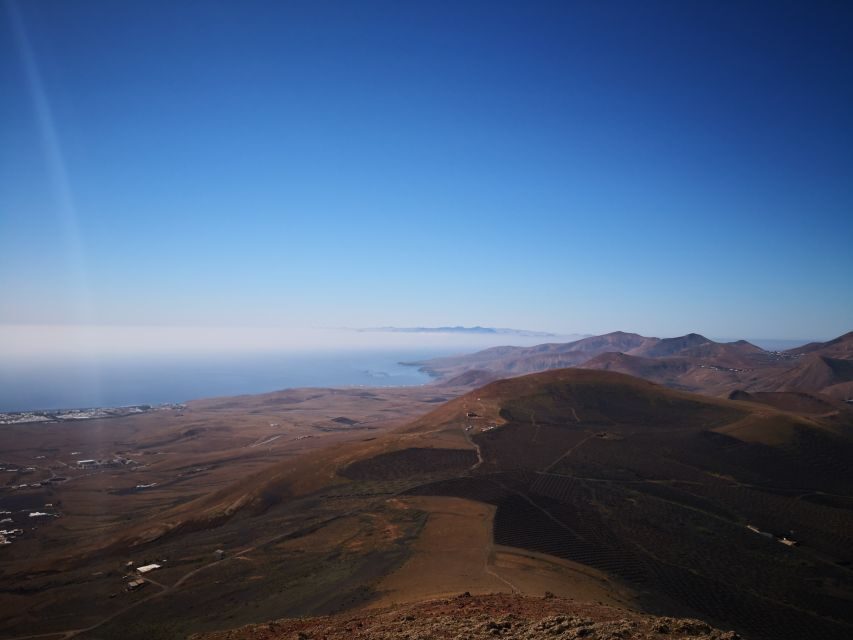
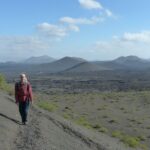
This is a half-day walking tour: you’ll cover around 9 kilometers at a guided pace. The route includes climbing up toward a high point on the island—described as the third-highest point—so yes, you’ll feel the effort. You’ll also find that the view payoff is fast: even before you hit the top, the vineyards, rock formations, and horizon line give you frequent photo moments.
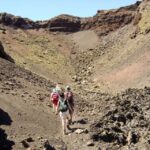
One detail I’m glad you don’t have to guess about: the walking surface can be rocky. A few people point out that stones end up in shoes, so expect that reality. That’s not a deal-breaker, but it’s a good reason to bring footwear you don’t mind cleaning later.
Wind is another practical factor on Lanzarote. Even when the weather feels pleasant, the higher points can feel colder and gustier than you expect. A warm layer is a good idea, especially if you get even slightly chilly while waiting for a group photo.
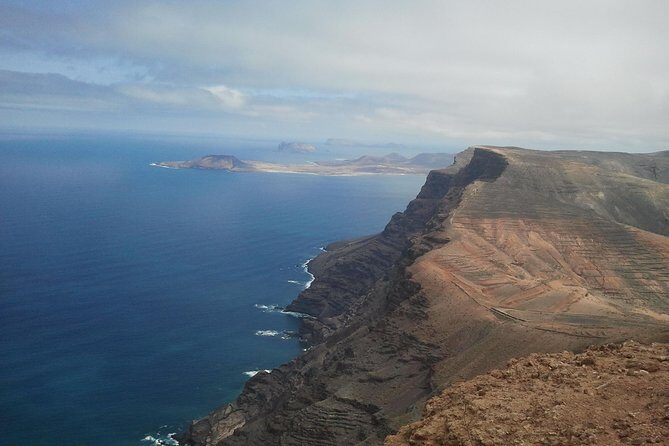
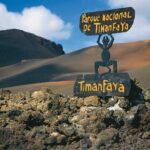
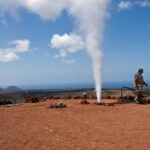
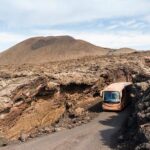
And then there’s the most memorable moment: the climb that takes you toward the crater area of Volcán Gaiada. Standing there, you get a strong sense of why this island’s farming looks the way it does—rock, height, exposure, and all.
How the guide keeps the walk feeling manageable
A 9-kilometer hike can feel intimidating on paper. The difference here is pacing and structure. Your guide makes the walk more than just movement by adding frequent stops—explaining farming choices, local plant life, and landmarks as you go.
That approach shows up again and again in how different guides handle the group. Names like Raquel, Raquel/Rachel, José, and Juan come up because they’re described as welcoming, clear, and ready with answers. Even if you’re not a “serious hiker,” you’ll likely appreciate the calm rhythm: walk, pause, learn, walk again.
The tour also includes a snack bag before you really start moving. You’ll have water, fruit, and a biscuit, which is a small thing that helps a lot. It’s the difference between feeling fine at kilometer six versus wondering why you didn’t bring something to tide you over.
Wine tasting at the winery: Dry Volcanic Malvasia in context
The highlight at the end of your hike is a tasting of Dry Volcanic Malvasia white wine. This isn’t a generic tasting flight meant to widen your palate. It’s focused: you’re meant to experience one wine that represents the region’s character.
At the winery, you’ll typically have time to slow down and enjoy what you’ve learned. Some groups also get paired elements like cheese and bread alongside the wine, which turns the tasting into more of a mini break than a quick sip-and-go moment. The core included item is the Malvasia tasting, so treat any extra pairings as a bonus rather than a guarantee.
What I like about this timing is psychology. After walking uphill and taking in volcanic views, your brain is primed to notice details. Aromas and flavors feel more connected to place because you’ve just been moving through that landscape for hours.
The third-highest point moment: when the effort clicks
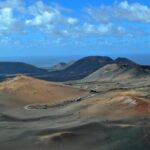
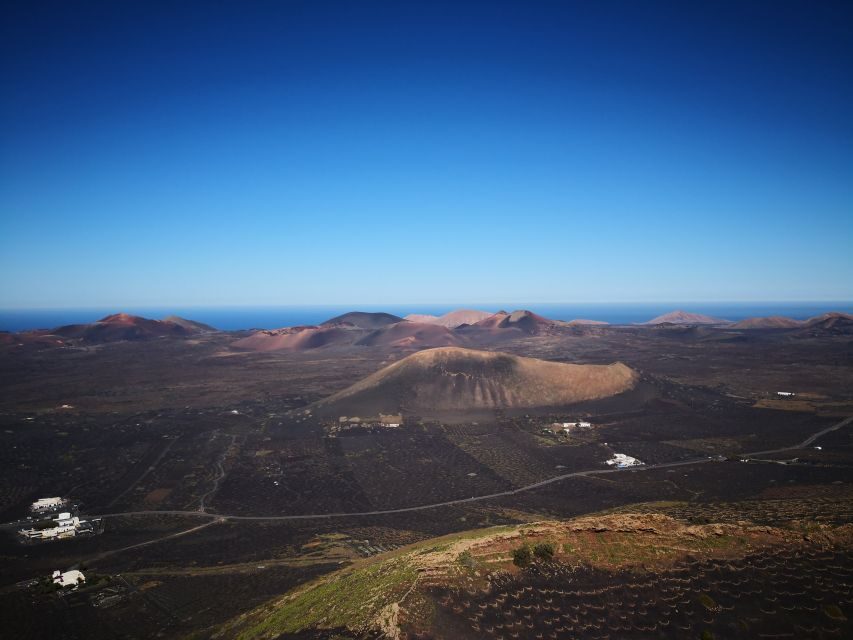
Reaching the top isn’t just about scenery—it changes your understanding of the whole region. From high ground, you can see how La Geria’s patchwork vineyards sit inside a volcanic environment. The view helps you connect the dots between soil, exposure, and the farming methods you heard about earlier.
This is also the moment that tends to define the morning. The climb to the third-highest point is where you get the big panorama people come for. It’s also where the wind can be the strongest, so keep your warm layer handy and don’t plan on lingering too long without a jacket.
If you’re the type who likes a clear “before and after,” this hike gives you one: start among vineyards and rock at lower elevation, then finish higher up with a wider sense of how the whole island fits together.
Other hiking tours in Lanzarote
Hotel pickup and meeting at Bodega Rubicón: keep it simple
Logistics matter more on tours like this than on a museum day. The meeting point is at 9:30 AM at the free parking lot of Bodega Rubicón. The tour ends back at the meeting point.
Hotel pickup is described as optional. If you’re picked up, you’ll get an exact pickup time by email or SMS the day before. Many accommodations are handled right at the front door area, so plan on being ready a little early.
This is one reason I think the tour works well for first-timers in Lanzarote: you don’t need to figure out how to get to the vineyards on your own, and the day stays organized from start to finish.
Price and value: what you’re really paying for at $54
At $54 per person, this tour isn’t trying to be “cheap.” But it also isn’t priced like a luxury private guide. Here’s what you’re actually getting value for:
You pay for a licensed guide, a small group (limited to 10 participants), plus hotel pickup and drop-off, and a snack bag. You also get a tasting of Dry Volcanic Malvasia. Those elements are exactly what adds up if you were trying to arrange everything yourself.
The other hidden value is time. You’re spending a half-day doing something active and genuinely local—vineyard walking, volcanic farming explanations, and a wine stop that makes sense after the hike. If you’re the kind of traveler who hates wasting hours in transit without a payoff, this structure is a win.
One more point: at this price, the tour is still selective. It’s not positioned as a gentle stroll for everyone, which is why the experience stays focused and not chaotic.
What to pack (and what not to bring) for Lanzarote winds and rocks
You’ll have the best time if you show up ready for walking conditions.
Bring:
- Comfortable shoes (sturdy, because the ground can be rocky)
- Warm clothing for wind and higher elevation
- Water (you get some in the snack bag, but bringing a bit extra never hurts)
Not allowed:
- Pets
- Drones
If the weather changes, you might get help like ponchos. I wouldn’t bet your whole day on it, but it’s a nice example of how guides adapt to conditions.
Also keep a camera ready. The view spots are exactly the kind you’ll want more than one shot at—especially if the light shifts while you’re up high.
Who should book this hike—and who should skip it
This tour is best for people who enjoy walking and learning while moving. If you like agricultural stories, wine culture that’s rooted in real place, and viewpoints you earn with effort, you’ll probably love it.
It’s not suitable for everyone, though. It’s listed as not appropriate for:
- children under 12 (and also notes not suitable for children under 8)
- people with mobility impairments
- people with heart problems or respiratory issues
- people with low fitness
- wheelchair users
So if you fall into any of those categories, don’t force it. Lanzarote’s weather and terrain can be demanding, and this hike’s whole point is the climb.
If you’re healthy, steady on your feet, and you can handle a 9-kilometer morning, this is a strong choice for a half-day plan that feels distinctly Lanzarote.
Should you book the La Geria Vineyards Hiking Tour?
I’d book it if you want a hands-on Lanzarote experience that connects volcanic farming to the wine you taste. The combination of a small group, a guided walk through La Geria’s unusual vineyards, and a Dry Volcanic Malvasia tasting makes the morning feel coherent—like the parts actually match.
Skip it if you don’t like uphill walks, if rocky paths make you miserable, or if your health or mobility means you’d be safer choosing a gentler option. Also, if you hate being outside in wind, pack a real layer and plan your comfort first.
If you’re on the fence, here’s my practical advice: this tour is at its best when you treat it as a true activity day. Show up with good shoes, bring a warm layer, and lean into the guide’s explanations. The views are excellent, but the best payoff is understanding why this wine region looks the way it does.
FAQ
How long is the La Geria vineyards hiking tour?
The tour duration is listed as 4 hours. Your morning may feel a bit longer depending on the pace and stops during the walk and tasting.
Where do I meet for the tour?
You meet at 9:30 AM at the free parking lot of Bodega Rubicón. The tour ends back at the meeting point.
Is hotel pickup included?
Hotel pickup and drop-off are included, but pickup is described as optional. You’ll receive the exact pickup time by email or SMS the day before the activity.
What wine do you taste?
The included tasting is Dry Volcanic Malvasia white wine.
What’s included in the snack bag?
The snack bag includes water, fruit, and a biscuit.
How big is the group?
The group is limited to 10 participants, keeping the hike more intimate.
What should I bring, and what’s not allowed?
Bring comfortable shoes, warm clothing, and water. Pets and drones are not allowed.